“I don’t have time to cook tonight.”
My husband said this to me on a Tuesday, standing in the kitchen doorway with that look. You know the one. The please-dont-make-me-order-takeout-again look. And honestly? I felt him. We’d had a long day, the kids were cranky, and the idea of chopping vegetables or standing over a stove for an hour sounded like a special kind of torture.
But here’s the thing—I had a bag of frozen shrimp in the freezer and some dried pasta in the pantry. And in that moment, I remembered a trick my grandmother used to pull out when she needed dinner on the table faster than anyone thought possible. She’d toss some garlic in butter, add whatever protein was handy, and call it dinner. No fuss. No stress. Just good food.
So I said, “Give me fifteen minutes.”
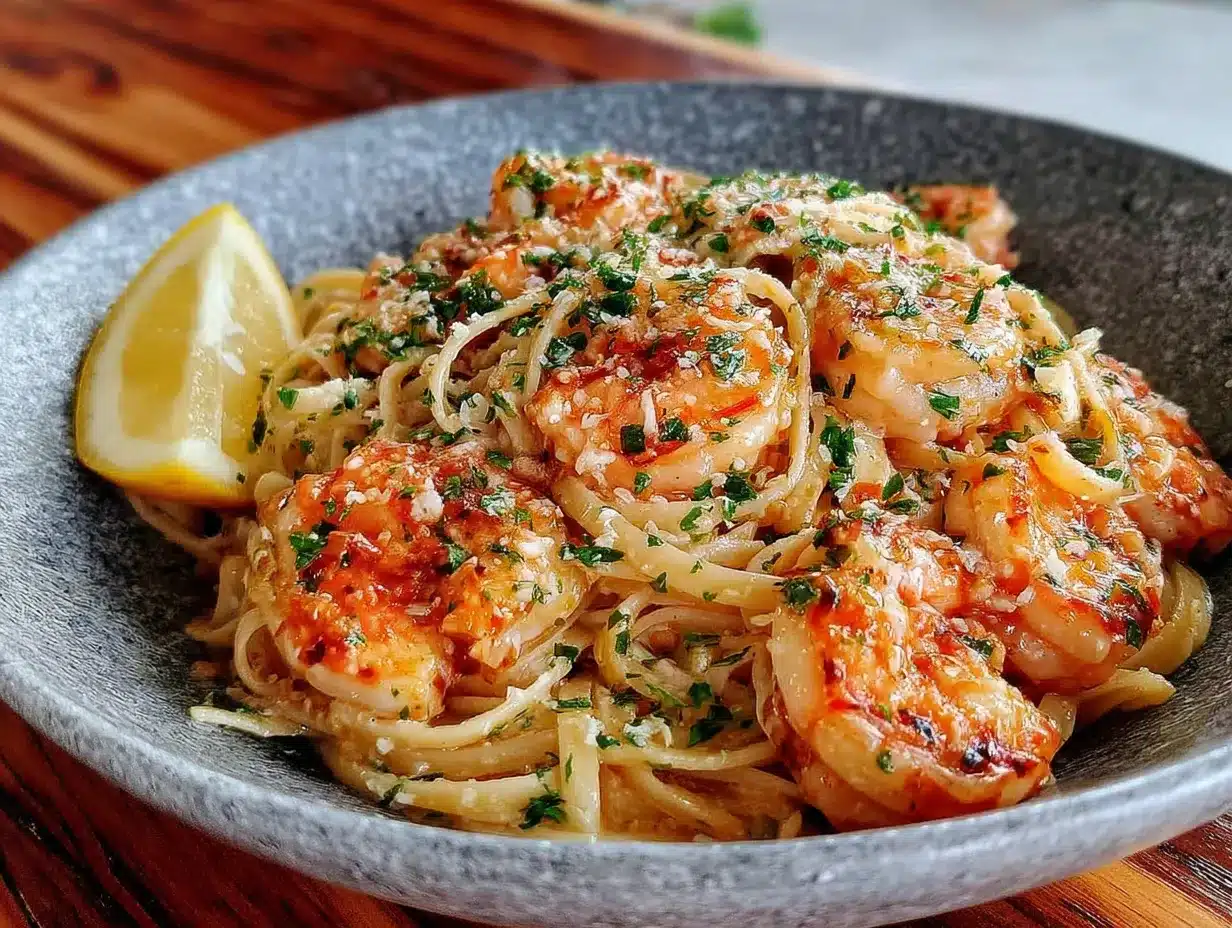
He didn’t believe me. But when I set that bowl of quick garlic butter shrimp pasta in front of him—steaming, glossy, flecked with parsley—he just stared at it for a second. Then he took a bite. And then another. And then he asked me to make it again the next night.
That’s the thing about this recipe. It’s not fancy. It’s not complicated. It’s just honest, buttery, garlicky goodness that comes together faster than you can decide what to order for delivery. And once you make it, you’ll understand why it’s become our go-to weeknight rescue meal.
Why You’ll Love This Recipe
Let me be real with you—I’ve tested this recipe at least a dozen times. I’ve made it with fresh shrimp, frozen shrimp, even leftover shrimp from a seafood boil. I’ve swapped the pasta, changed the garlic ratio, and accidentally added too much butter (which, let’s face it, wasn’t a disaster). And after all that trial and error, I can tell you exactly why this version works.
- Quick & Easy: From start to finish, you’re looking at 15 minutes. That’s less time than it takes to watch a sitcom episode. Perfect for those nights when you need dinner on the table yesterday.
- Simple Ingredients: You probably already have most of this in your kitchen. Butter, garlic, pasta, shrimp, lemon. No fancy grocery runs required.
- Perfect for Busy Weeknights: Whether you’re juggling kids, work, or just life in general, this recipe fits into your schedule without making you feel like you’re sacrificing flavor.
- Crowd-Pleaser: I’ve served this to picky eaters, seafood skeptics, and pasta purists. Every single person went back for seconds. It’s that good.
- Unbelievably Delicious: The combination of browned butter, fresh garlic, and tender shrimp creates this sauce that coats every strand of pasta perfectly. It’s comfort food that doesn’t weigh you down.
What makes this recipe different from every other garlic shrimp pasta out there? It’s the technique. Instead of boiling the shrimp separately, you cook them right in the garlic butter, which means all that flavor gets infused into the sauce. And then you toss the pasta directly into the pan with that same butter—no draining, no wasting. It’s efficient, it’s smart, and it tastes like you spent way more time than you actually did.
This is the kind of meal that makes you close your eyes after the first bite. It’s simple, sure. But sometimes the simplest things are the ones that hit the hardest.
What Ingredients You Will Need
This recipe uses humble ingredients that work together to create something truly special. No weird stuff, no obscure spices—just pantry staples that deliver big flavor.
- Pasta (8 oz / 225g): I prefer linguine or spaghetti for this recipe because the long strands catch the garlic butter sauce beautifully. But honestly, any shape works. Penne, fettuccine, even angel hair if you’re in a hurry. (Pro tip: if using angel hair, reduce cooking time by a minute or two.)
- Shrimp (1 lb / 450g): Large or jumbo shrimp, peeled and deveined. I use frozen shrimp most of the time—just thaw them under cold running water for a few minutes before starting. Fresh works too, but frozen is actually often fresher than the “fresh” shrimp at the store. Look for raw shrimp, not pre-cooked.
- Butter (4 tbsp / 56g): Unsalted butter gives you control over the salt level. But if you only have salted, just reduce the added salt later. I’ve tried this with margarine and it’s not the same—real butter is non-negotiable here.
- Garlic (4-5 cloves): Fresh garlic is a must. Please don’t use the pre-minced stuff in a jar—it has a different flavor and won’t give you that aromatic punch. Smash each clove with the flat side of your knife before mincing; it releases more of those essential oils.
- Lemon (1 whole): You’ll use both the zest and the juice. The zest adds brightness without the acidity, while the juice cuts through the richness of the butter. Roll the lemon on the counter before juicing to get the most out of it.
- Red Pepper Flakes (¼ tsp): Optional, but I highly recommend it. Just a pinch adds warmth without making it spicy. It’s like a little secret that wakes up the whole dish.
- Fresh Parsley (¼ cup / 15g): Chopped. It’s not just for garnish—it adds freshness and color that balances the richness. If you don’t have parsley, fresh basil works too.
- Salt & Black Pepper: To taste. I use kosher salt for its clean flavor and flaky texture. Fine sea salt works too—just use a little less.
- Pasta Water (½ cup / 120ml): This is your secret weapon. The starchy water helps thicken the sauce and makes it cling to the pasta. Don’t skip it.
- Olive Oil (1 tbsp / 15ml): Just a splash for cooking the shrimp. It raises the smoke point of the butter and prevents burning.
Equipment Needed
You don’t need a fancy kitchen to make this recipe work. Here’s what you’ll need:
- Large Pot: For boiling the pasta. A 4-6 quart pot works perfectly. If you have a pasta pot with a built-in strainer, even better—it makes draining a breeze.
- Large Skillet or Pan: A 12-inch skillet is ideal. You want enough surface area to cook the shrimp in a single layer without overcrowding. Cast iron works great, but any non-stick or stainless steel pan will do.
- Colander: For draining the pasta. But here’s a pro tip—don’t drain it completely. Reserve that pasta water before you dump it.
- Chef’s Knife: A sharp knife makes mincing garlic and chopping parsley a pleasure instead of a chore. Trust me, a dull knife is more dangerous than a sharp one.
- Cutting Board: Any size works, but a larger board gives you more room to work.
- Measuring Spoons: For the red pepper flakes and other small measurements.
- Microplane or Zester: For zesting the lemon. A box grater works too, but a microplane gives you that fine, fluffy zest that melts into the butter.
- Tongs: For tossing the pasta with the sauce. They’re easier than a spoon and give you more control.
If you don’t have a microplane, you can use the fine side of a box grater. And if you don’t have tongs, two forks work in a pinch. This recipe is forgiving like that.
Preparation Method
Alright, let’s get cooking. I promise this is easier than it looks.
- Start the pasta water: Fill your large pot with water—about 4 quarts (3.8 liters)—and bring it to a rolling boil over high heat. Add a generous tablespoon of salt. The water should taste like the sea. This is your only chance to season the pasta from the inside out.
- Cook the pasta: Once the water is boiling, add your pasta and cook according to package directions until al dente. For linguine, that’s usually about 8-10 minutes. Set a timer—overcooked pasta is sad pasta. While it cooks, move on to the shrimp.
- Prepare the shrimp: While the pasta is cooking, pat your shrimp dry with paper towels. This is important—wet shrimp won’t brown properly. Season them lightly with salt and pepper. If they’re frozen and thawed, make sure they’re as dry as possible.
- Heat the skillet: Place your large skillet over medium-high heat. Add the olive oil and 2 tablespoons of the butter. Let the butter melt and start to foam—you want it to sizzle when the shrimp hit the pan.
- Cook the shrimp: Add the shrimp in a single layer. Don’t crowd the pan—if you have too many, cook them in two batches. Let them cook for 2 minutes without moving them. You want that golden-brown sear on one side. Flip them and cook for another 1-2 minutes, until they’re pink and opaque. They should curl into a loose “C” shape—if they curl into a tight “O”, they’re overcooked.
- Remove the shrimp: Use a slotted spoon to transfer the cooked shrimp to a plate. Leave all that delicious browned butter and garlic goodness in the pan.
- Make the garlic butter sauce: Reduce the heat to medium-low. Add the remaining 2 tablespoons of butter to the pan. Once it melts, add the minced garlic and red pepper flakes. Stir constantly for about 30 seconds—you want the garlic fragrant but not brown. Burnt garlic tastes bitter and will ruin the whole dish.
- Add the lemon: Zest the lemon directly into the pan, then squeeze in the juice from half the lemon. Stir to combine. The acid will deglaze the pan and pick up all those browned bits from the bottom—that’s pure flavor.
- Reserve pasta water: Right before your pasta is done, scoop out about ½ cup (120ml) of the starchy pasta water using a measuring cup or a mug. Set it aside.
- Drain the pasta: Drain the pasta in a colander, but don’t rinse it. You want that starch on the surface—it helps the sauce stick.
- Combine everything: Add the drained pasta directly to the skillet with the garlic butter sauce. Toss it with tongs to coat every strand. If the sauce seems too thick, add a splash of the reserved pasta water—about ¼ cup (60ml) to start. Toss again. The starch in the water will emulsify with the butter and create a silky, clingy sauce.
- Add the shrimp back: Return the cooked shrimp to the pan. Toss gently to combine. Let everything heat through for about 30 seconds. Taste and adjust seasoning—add more salt, pepper, or lemon juice as needed.
- Finish with parsley: Sprinkle the chopped parsley over the top and toss one last time. The parsley adds freshness and color that makes the dish look restaurant-quality.
- Serve immediately: Divide the pasta between bowls. Garnish with extra parsley and lemon wedges if you’re feeling fancy. This dish waits for no one—it’s best eaten right away while the pasta is hot and the shrimp are tender.
Sensory cue: At step 8, you should smell the garlic becoming fragrant—almost sweet, but not sharp. The lemon zest will release its oils and you’ll catch that bright, citrusy note cutting through the butter. When you add the pasta water in step 11, watch how the sauce transforms from a separate liquid into a creamy coating that clings to every strand. That’s the magic.
Cooking Tips & Techniques
I’ve made this recipe more times than I can count, and I’ve learned a few things along the way. Here are the tips that make the difference between good pasta and unforgettable pasta.
Don’t overcook the shrimp. This is the number one mistake people make. Shrimp cook fast—like, really fast. They go from raw to perfect to rubbery in about 60 seconds. As soon as they turn pink and curl into a loose C-shape, get them out of the pan. If you’re unsure, cut one open—it should be opaque all the way through with no grey spots.
Use cold butter for the sauce. Here’s a trick I picked up from a chef friend: when you add the second batch of butter to the garlic, use cold butter straight from the fridge. It melts more slowly and creates a creamier emulsion. Plus, it gives you more control over the heat.
Reserve more pasta water than you think you need. I always save a full cup, even though the recipe only calls for half. If your sauce is too thick, you’ll be glad you have extra. And if you don’t use it, no harm done.
Toast the red pepper flakes with the garlic. This releases their oils and makes them more aromatic. Just don’t let them burn—they’ll turn bitter fast.
Season in layers. Salt the pasta water, season the shrimp, and season the finished dish. Each layer builds on the last, creating depth of flavor that you can’t achieve with a single seasoning step.
Use a microplane for the garlic too. If you’re feeling fancy, grate the garlic instead of mincing it. It creates a paste that melts into the butter and distributes more evenly. Just be careful—it’s potent, so use a little less.
I once made this recipe for a dinner party and forgot to reserve the pasta water. I ended up using plain tap water instead, and the sauce was thin and watery. It still tasted good, but it wasn’t the same. Learn from my mistake—don’t skip that step.
Variations & Adaptations
This recipe is incredibly versatile. Here are some ways to make it your own:
Make it spicy: Double the red pepper flakes, or add a pinch of cayenne pepper with the garlic. For even more heat, toss in some sliced fresh chili peppers—serrano or Thai bird’s eye work well.
Go gluten-free: Use gluten-free pasta—I like chickpea or brown rice pasta for this dish. Just adjust the cooking time according to the package directions. Everything else stays the same.
Add vegetables: Toss in some baby spinach or arugula at the end—it wilts in the residual heat and adds color and nutrients. Or sauté some cherry tomatoes with the garlic for a burst of sweetness. I’ve also added asparagus tips, zucchini ribbons, and even frozen peas (thawed first).
Make it dairy-free: Substitute the butter with a good quality vegan butter or ghee (which is lactose-free). Coconut oil works too, but it will add a subtle coconut flavor that might not pair as well with the garlic.
Try a different protein: This sauce works beautifully with chicken, scallops, or even firm tofu. Just adjust the cooking time accordingly—chicken needs to be cooked through, while scallops only need about 2 minutes per side.
Add cheese: A sprinkle of Parmesan or Pecorino Romano at the end adds a salty, nutty finish. Just go easy—the butter is already rich, and you don’t want to overpower the delicate shrimp.
Experiment with herbs: Basil, chives, or even a pinch of dried oregano can change the flavor profile completely. I’ve made this with fresh dill and lemon zest for a Scandinavian twist—it was surprisingly good.
My personal favorite variation? I add a splash of white wine (about ¼ cup) after the garlic, letting it reduce for a minute before adding the lemon. It adds a subtle acidity that brightens the whole dish. Just make sure to use a dry wine—sweet wine will throw off the balance.
Serving & Storage Suggestions
Serving: This pasta is best served immediately, while it’s hot and the sauce is still silky. Divide it into warmed bowls—I pop mine in the microwave for 30 seconds before serving. Garnish with extra parsley, a lemon wedge, and maybe a sprinkle of red pepper flakes for color.
What to serve with it: A simple green salad with a lemon vinaigrette is the perfect side—it cuts through the richness of the butter. Or serve it with some crusty bread to soak up any leftover sauce in the bowl. If you’re feeling indulgent, a glass of crisp white wine like Sauvignon Blanc or Pinot Grigio pairs beautifully.
Storage: If you have leftovers (unlikely, but possible), store them in an airtight container in the refrigerator for up to 2 days. The pasta will absorb some of the sauce overnight, so it won’t be quite as saucy the next day.
Reheating: The best way to reheat is in a skillet over medium-low heat with a splash of water or chicken broth. Toss gently until heated through. Microwave works in a pinch, but it can make the shrimp rubbery. If you must microwave, do it in 30-second bursts and stop as soon as it’s warm.
Freezing: I don’t recommend freezing this dish. The shrimp will become tough and watery when thawed, and the pasta will turn mushy. Make it fresh—it only takes 15 minutes!
Flavor development: Honestly, this dish is best the day it’s made. The flavors are bright and fresh, and the texture is perfect. Leftovers are still good, but they won’t have that same magic. So eat it all—no judgment here.
Nutritional Information & Benefits
Here’s an approximate breakdown per serving (based on 4 servings):
| Nutrient | Amount per Serving |
|---|---|
| Calories | 420 |
| Protein | 28g |
| Carbohydrates | 45g |
| Fat | 16g |
| Saturated Fat | 8g |
| Fiber | 2g |
| Sodium | 520mg |
Health benefits: Shrimp is an excellent source of lean protein, providing about 20g per 3-ounce serving. It’s also rich in selenium, an antioxidant that supports thyroid function, and vitamin B12, which is essential for nerve health. The garlic in this recipe is known for its immune-boosting properties—it contains allicin, a compound with antimicrobial effects. And the lemon provides a good dose of vitamin C.
Dietary considerations: This recipe is naturally low-carb if you use zucchini noodles or shirataki noodles instead of pasta. It’s also gluten-free if you use gluten-free pasta. The main allergens are shellfish, dairy (butter), and wheat (pasta). For a dairy-free version, use vegan butter or ghee.
Personal note: I love that this recipe feels indulgent but isn’t actually that heavy. It’s satisfying without making you feel sluggish. And since it’s ready in 15 minutes, you’re not spending hours in the kitchen when you could be relaxing or spending time with family.
Conclusion
This quick garlic butter shrimp pasta is proof that you don’t need hours in the kitchen to make something truly delicious. It’s the kind of recipe that saves you on those nights when you’re tired, hungry, and tempted to order takeout. It’s also the kind of recipe that impresses guests without making you break a sweat.
I love this recipe because it’s honest. It doesn’t pretend to be something it’s not. It’s just butter, garlic, shrimp, and pasta—four simple ingredients that, when treated with care, become something magical. And that magic happens in 15 minutes flat.
So go ahead—give it a try. Customize it to your taste. Add extra garlic if you’re a garlic lover (I won’t judge). Throw in some spinach if you want to feel virtuous. Make it your own. And then come back and tell me how it turned out.
I’d love to hear your variations, your successes, and even your happy accidents. Drop a comment below or tag me in your photos. Happy cooking, friends.
Frequently Asked Questions
Can I use pre-cooked shrimp for this recipe?
You can, but I don’t recommend it. Pre-cooked shrimp will become tough and rubbery when reheated. Raw shrimp only take 3-4 minutes to cook, so there’s really no time saved. If you must use pre-cooked, add them at the very end and just heat them through for about 30 seconds.
What’s the best pasta shape for this dish?
Long, thin pasta like linguine or spaghetti works best because the sauce clings to every strand. But honestly, any shape works. Penne, fettuccine, or even farfalle are all great options. Just adjust the cooking time according to the package directions.
Can I make this recipe ahead of time?
This dish is best made fresh. The pasta absorbs the sauce as it sits, and the shrimp can become rubbery when reheated. If you need to prep ahead, cook the pasta and shrimp separately, then combine them with the sauce just before serving.
How do I know when the shrimp are cooked?
Shrimp are done when they turn pink and opaque, and they curl into a loose “C” shape. If they curl into a tight “O”, they’re overcooked. Cut one open to check—it should be white all the way through with no grey or translucent spots.
Can I add vegetables to this dish?
Absolutely! Baby spinach, cherry tomatoes, asparagus, or zucchini all work beautifully. Add them when you add the garlic—they’ll cook in the butter and absorb all that flavor. Just adjust the cooking time based on the vegetable’s density.
Pin This Recipe!
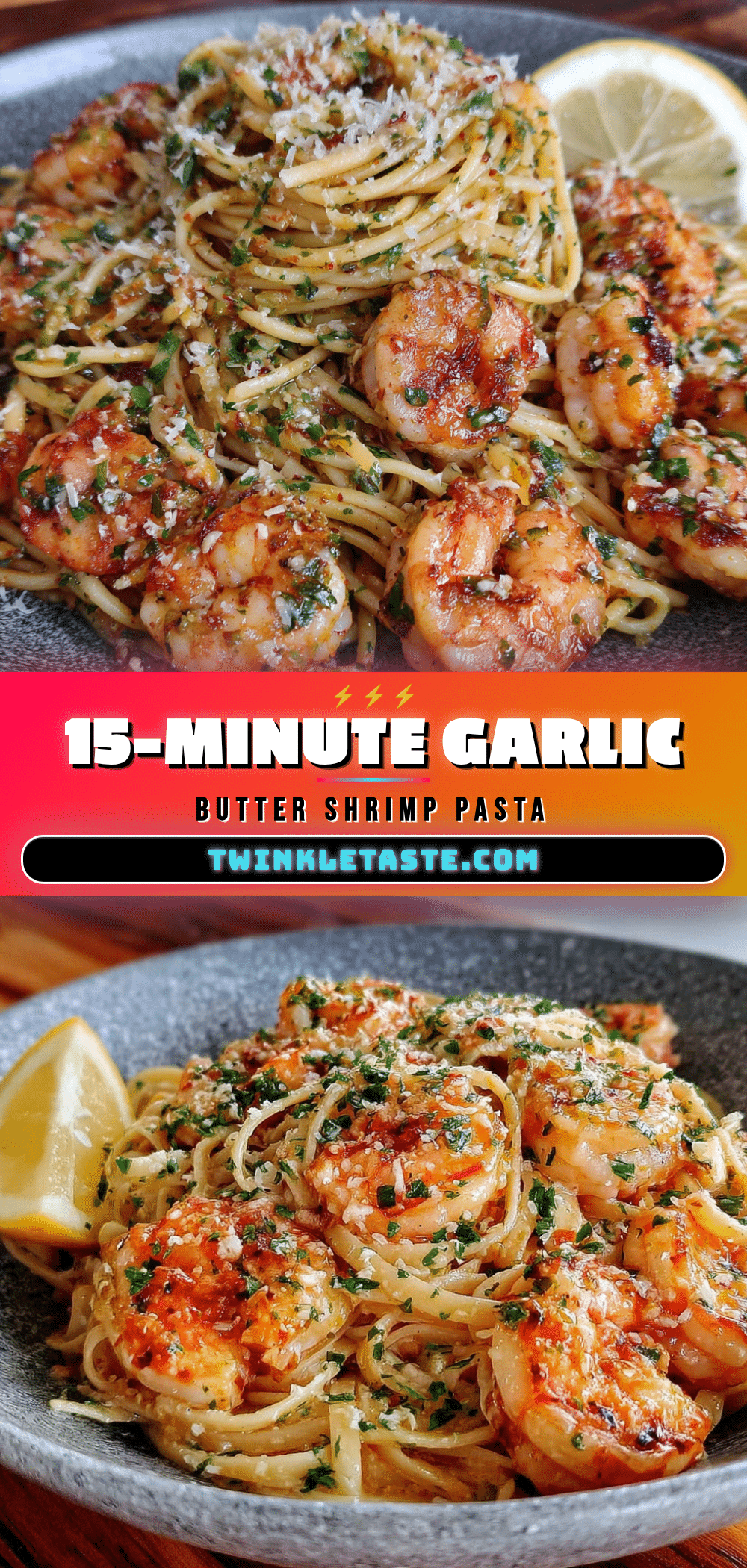
Quick Garlic Butter Shrimp Pasta: Easy 15-Minute Dinner
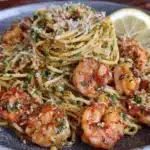
This quick garlic butter shrimp pasta is proof that you don’t need hours in the kitchen to make something truly delicious. It’s the kind of recipe that saves you on those nights when you’re tired, hungry, and tempted to order takeout.
- Prep Time: 5 minutes
- Cook Time: 10 minutes
- Total Time: 15 minutes
- Yield: 4 servings 1x
- Category: Main Course
- Cuisine: Italian-American
Ingredients
- 8 oz (225g) pasta (linguine or spaghetti recommended)
- 1 lb (450g) large or jumbo shrimp, peeled and deveined
- 4 tbsp (56g) unsalted butter
- 4–5 cloves garlic, minced
- 1 lemon (zest and juice)
- ¼ tsp red pepper flakes (optional)
- ¼ cup (15g) fresh parsley, chopped
- Salt and black pepper to taste
- ½ cup (120ml) reserved pasta water
- 1 tbsp (15ml) olive oil
Instructions
- Fill a large pot with about 4 quarts (3.8 liters) of water and bring to a rolling boil over high heat. Add a generous tablespoon of salt.
- Add pasta and cook according to package directions until al dente (about 8-10 minutes for linguine). Set a timer.
- While pasta cooks, pat shrimp dry with paper towels and season lightly with salt and pepper.
- Place a large skillet over medium-high heat. Add olive oil and 2 tablespoons of butter. Let butter melt and foam.
- Add shrimp in a single layer. Cook for 2 minutes without moving, then flip and cook for another 1-2 minutes until pink and opaque. Transfer to a plate with a slotted spoon.
- Reduce heat to medium-low. Add remaining 2 tablespoons of butter. Once melted, add minced garlic and red pepper flakes. Stir constantly for about 30 seconds until fragrant.
- Zest the lemon directly into the pan, then squeeze in juice from half the lemon. Stir to combine and deglaze the pan.
- Right before pasta is done, scoop out about ½ cup (120ml) of starchy pasta water and set aside.
- Drain pasta in a colander (do not rinse).
- Add drained pasta to the skillet with garlic butter sauce. Toss with tongs to coat. If sauce is too thick, add a splash of reserved pasta water (about ¼ cup/60ml) and toss again.
- Return cooked shrimp to the pan. Toss gently to combine and heat through for about 30 seconds. Taste and adjust seasoning.
- Sprinkle chopped parsley over the top and toss one last time.
- Serve immediately, garnished with extra parsley and lemon wedges if desired.
Notes
Don’t overcook the shrimp; they go from raw to perfect to rubbery in about 60 seconds. Use cold butter for the sauce to create a creamier emulsion. Reserve more pasta water than you think you need (up to 1 cup). Toast red pepper flakes with garlic to release oils. Season in layers for depth of flavor. For a variation, add a splash of dry white wine after the garlic.
Nutrition
- Serving Size: 1 serving (about 1/4
- Calories: 420
- Sugar: 2
- Sodium: 520
- Fat: 16
- Saturated Fat: 8
- Carbohydrates: 45
- Fiber: 2
- Protein: 28
Keywords: garlic butter shrimp pasta, quick dinner, 15-minute meal, weeknight dinner, shrimp pasta, easy pasta recipe