There used to be a tiny bakery on a side street in Portland called “The Whistling Kettle” that made these gingerbread cookies that were just… perfect. They weren’t the crispy, snap-into-oblivion kind. They were pillowy, almost cake-like, with this deep molasses warmth that made you close your eyes when you bit into one. When they closed their doors three years ago—rent got too high, the owner told me with a shrug—I felt a genuine pang of loss. After maybe seven attempts—some too dry, one that spread into a single giant cookie pancake—I finally cracked the code. The secret, honestly, is a careful balance of butter and molasses, plus not overbaking by even a minute. This quick soft gingerbread cookies recipe is the one that finally made me stop missing that bakery.
I remember standing in my kitchen at 10 PM on a Tuesday, staring at a tray of cookies that finally had the right texture. I actually texted my friend Jen a photo with the caption “We’re back.” Maybe you’ve been there—chasing a flavor memory from a place that no longer exists. It feels a little silly, but also completely worth it. These gingerbread cookies with molasses icing don’t just taste good. They taste like that exact moment when you bit into one at The Whistling Kettle, and everything felt right for a second. That’s why I keep making them, and why I think you’ll love them too.
Why You’ll Love This Recipe
Let’s be honest—weeknight baking usually feels like a chore. But this recipe is different. It’s designed for real life, when you’re tired and the kitchen is messy and you still want something that tastes like you actually tried.
- Quick & Easy: These come together in about 30 minutes from start to finish. No chilling the dough, no complicated steps. Perfect for a Tuesday night craving.
- Simple Ingredients: You probably have most of this in your pantry right now. Butter, sugar, molasses, flour, spices—nothing fancy required.
- Perfect for Weeknights: This is the kind of recipe you make after dinner when you want something sweet but don’t want to spend an hour in the kitchen. I’ve tested this on actual tired weeknights, and it works.
- Crowd-Pleaser: My kids inhale these. My neighbor who “doesn’t like gingerbread” ate three. They’re soft enough for little kids and spiced enough for adults.
- Unbelievably Delicious: The texture is the real star here. These are genuinely soft, almost muffin-top soft, with a molasses icing that seeps into the cracks and makes everything better.
What makes this different from other gingerbread recipes? It’s the method. I use melted butter instead of creaming it, which saves time and gives you that tender crumb. The molasses icing is a simple two-ingredient drizzle that sets in minutes. This isn’t just another version of gingerbread cookies—it’s the one that actually works on a Tuesday night.
What Ingredients You Will Need
This recipe uses simple, everyday ingredients to create something that tastes surprisingly special. The molasses does the heavy lifting here, so don’t skip it. Here’s what you’ll need:
For the Cookies
- Unsalted butter, melted (½ cup / 113g) — Melted butter gives these cookies their soft, tender texture. I use Land O’Lakes, but any good brand works. Let it cool slightly before using so it doesn’t cook the egg.
- Brown sugar, packed (½ cup / 100g) — Light or dark brown sugar works. Dark brown adds more molasses depth, but light is fine. Pack it firmly into the measuring cup.
- Molasses (⅓ cup / 110g) — This is non-negotiable. Use unsulphured molasses, not blackstrap (which is too bitter). Grandma’s or Brer Rabbit brands are my go-to. The molasses gives these cookies their signature warmth and color.
- Large egg (1, at room temperature) — Room temperature egg blends more evenly into the batter. If you forgot to take it out, place it in a bowl of warm water for 5 minutes.
- Vanilla extract (1 teaspoon) — Pure vanilla is best, but imitation works in a pinch. It rounds out the spices nicely.
- All-purpose flour (2 cups / 250g) — Spoon and level your flour for accuracy. Scooping directly from the bag packs in too much flour and makes cookies dry.
- Baking soda (1½ teaspoons) — This helps the cookies spread and gives them that soft, puffy texture.
- Ground ginger (1½ teaspoons) — Freshly ground ginger is lovely, but regular ground ginger from the spice jar works perfectly. This is the star spice, so don’t skimp.
- Ground cinnamon (1 teaspoon) — Adds warmth and sweetness. I use Saigon cinnamon when I have it—it’s more fragrant.
- Ground cloves (¼ teaspoon) — A little goes a long way. Cloves can be overpowering, so measure carefully.
- Salt (¼ teaspoon) — Balances the sweetness and enhances the spices. I use fine sea salt.
For the Molasses Icing
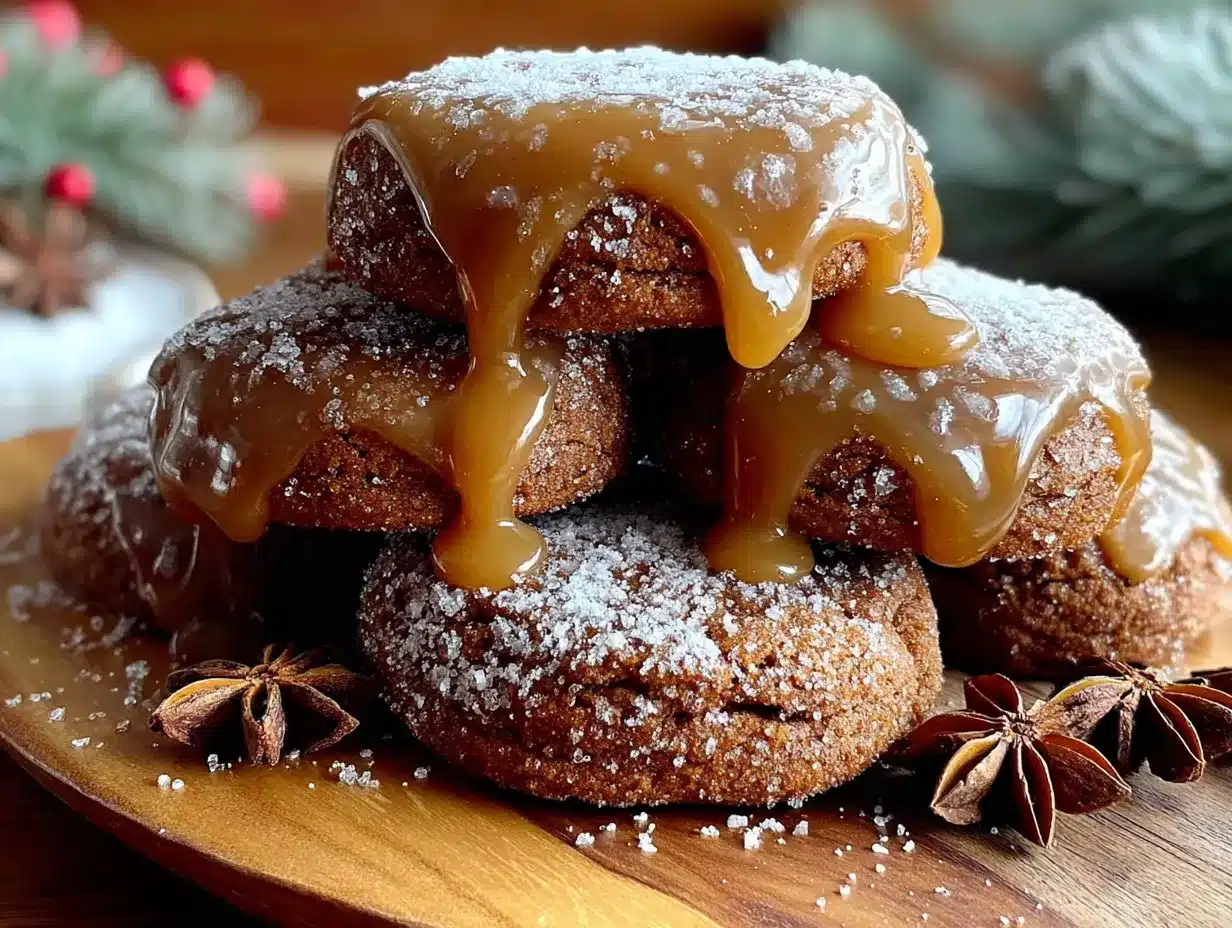
- Powdered sugar (1 cup / 120g) — Sift it if it’s lumpy. No one wants lumpy icing.
- Molasses (2 tablespoons) — Use the same unsulphured molasses from the cookie dough. This gives the icing that deep, complex sweetness.
- Milk or water (1-2 tablespoons) — Start with 1 tablespoon and add more until you reach a drizzling consistency. Whole milk makes it creamier, but water works fine.
Equipment Needed
You don’t need anything fancy for these cookies. I’ve made them in my tiny apartment kitchen and in my current house, and the same basic tools work everywhere.
- Mixing bowls (one large, one small) — Any size works. I use my grandmother’s old Pyrex bowls, but metal or ceramic is fine.
- Whisk — For combining the wet ingredients. A fork works in a pinch, but a whisk makes it easier.
- Rubber spatula or wooden spoon — For folding in the dry ingredients. I prefer a silicone spatula because it scrapes the bowl clean.
- Baking sheet (one large or two small) — Light-colored metal sheets give the most even baking. Dark sheets can over-brown the bottoms.
- Parchment paper or silicone baking mat — Parchment paper is cheap and makes cleanup a breeze. Silicone mats work great too.
- Cookie scoop or tablespoon — A 1½-tablespoon cookie scoop gives uniform cookies. If you don’t have one, use a regular tablespoon and shape the dough into balls with your hands.
- Cooling rack — Essential for letting the cookies cool properly before icing. If you don’t have one, let them cool on the baking sheet for 5 minutes, then transfer to a plate.
- Spoon or piping bag for icing — A small spoon works perfectly for drizzling. I sometimes use a zip-top bag with the corner snipped off for more control.
Preparation Method
These cookies come together fast, so read through the steps once before you start. The whole process takes about 30 minutes from start to finish.
- Preheat your oven to 350°F (175°C). Line a baking sheet with parchment paper or a silicone mat. Do this first so the oven is ready when you are.
- Melt the butter in a microwave-safe bowl or in a small saucepan over low heat. Let it cool for 2-3 minutes. You want it warm, not hot. If it’s too hot, it will scramble the egg when you add it.
- In a large bowl, whisk together the melted butter and brown sugar until smooth. It should look like wet sand. Add the molasses, egg, and vanilla extract. Whisk until everything is combined and the mixture is a uniform dark brown. Don’t overmix—just until it’s smooth.
- In a separate small bowl, whisk together the flour, baking soda, ginger, cinnamon, cloves, and salt. This ensures the spices and leavening are evenly distributed. I learned this the hard way after biting into a cookie with a pocket of pure baking soda. Not pleasant.
- Add the dry ingredients to the wet ingredients in two additions, stirring gently with a rubber spatula or wooden spoon after each addition. Mix just until no streaks of flour remain. The dough will be soft and slightly sticky—that’s exactly what you want. If it’s too sticky to handle, refrigerate it for 10 minutes.
- Scoop rounded tablespoons of dough (about 1½ tablespoons each) and place them 2 inches apart on the prepared baking sheet. I use a cookie scoop for uniform cookies, but you can also roll them into balls with your hands. Dampen your hands slightly if the dough sticks.
- Bake for 8-10 minutes, or until the edges are set and the tops look slightly cracked. The centers will look soft and puffy—that’s good. Do not overbake. These cookies continue to set as they cool, so pulling them out when they still look slightly underdone gives you that perfect soft texture.
- Let the cookies cool on the baking sheet for 5 minutes, then transfer them to a cooling rack. This rest time allows them to firm up enough to move without breaking. If you try to move them immediately, they’ll fall apart.
- While the cookies cool, make the molasses icing. In a small bowl, whisk together the powdered sugar, molasses, and 1 tablespoon of milk or water. Add more liquid, 1 teaspoon at a time, until the icing is thin enough to drizzle but thick enough to hold its shape on the cookie. It should fall off the spoon in a ribbon.
- Drizzle the icing over the cooled cookies. Use a spoon to drizzle back and forth, or transfer the icing to a small zip-top bag, snip off a tiny corner, and pipe it on. Let the icing set for about 10 minutes before serving.
Cooking Tips & Techniques
I’ve made this recipe dozens of times, and I’ve made every mistake you can imagine. Here’s what I’ve learned so you don’t have to repeat my errors.
Don’t overmix the dough. This is the number one mistake I made in my early attempts. Overmixing develops the gluten in the flour, which makes cookies tough instead of soft. Mix just until the flour disappears. A few streaks are fine.
Measure your flour correctly. Spoon it into the measuring cup and level it off with a knife. Scooping directly from the bag can add up to 25% more flour, which makes dry, dense cookies. I learned this after a batch that looked like hockey pucks.
Watch the baking time like a hawk. These cookies go from perfectly soft to overbaked in about 60 seconds. Start checking at 8 minutes. The edges should be set and the centers should look slightly puffy and underdone. They will continue to cook on the hot baking sheet after you pull them out.
Use room temperature ingredients. Cold egg can seize the butter and make the dough lumpy. If you forgot to take the egg out, place it in a bowl of warm water for 5 minutes. The molasses should be at room temperature too—if it’s cold, it’s harder to mix in.
Let the cookies cool completely before icing. If you drizzle the icing on warm cookies, it will melt into a puddle and soak in. Patience pays off here. I’ve ruined many a pretty cookie by rushing this step.
Make the icing just before you use it. It thickens as it sits. If it gets too thick, add a drop more milk. If it’s too thin, add a bit more powdered sugar.
Variations & Adaptations
This recipe is forgiving, so feel free to play around. Here are some variations I’ve tested and loved.
Gluten-Free Version: Substitute the all-purpose flour with a 1:1 gluten-free flour blend that contains xanthan gum. I’ve used Bob’s Red Mill 1:1 Baking Flour with great results. The texture is slightly more tender, but still delicious. Add an extra tablespoon of flour if the dough seems too sticky.
Vegan Version: Replace the butter with melted coconut oil or vegan butter (I like Miyoko’s). Use a flax egg (1 tablespoon ground flaxseed mixed with 3 tablespoons water, let sit for 5 minutes) instead of the regular egg. The cookies will be slightly less puffy but still soft and flavorful. Use plant-based milk in the icing.
Spice It Up: Add ¼ teaspoon of black pepper or cardamom for a more complex flavor profile. I tried this on a whim one night and now it’s my go-to variation. The pepper adds a subtle warmth that doesn’t read as “spicy” but makes the gingerbread taste more sophisticated.
Chocolate-Dipped Version: Skip the molasses icing and dip half of each cooled cookie in melted dark chocolate. Let the chocolate set on parchment paper. This turns them into a more decadent treat, perfect for holiday cookie plates.
Cut-Out Cookies: If you want to use cookie cutters, chill the dough for 30 minutes, then roll it to ¼-inch thickness between two sheets of parchment paper. Cut out shapes and bake for 7-9 minutes. The cookies won’t spread as much, so you can place them closer together on the sheet.
Serving & Storage Suggestions
These cookies are best served at room temperature with a glass of cold milk or a hot cup of coffee. The molasses icing should be fully set before stacking or storing.
Serving temperature: Room temperature is ideal. The cookies are soft and the icing is firm but not hard. If you’ve refrigerated them, let them sit out for 15 minutes before serving.
Storage: Store the cookies in an airtight container at room temperature for up to 5 days. Place a slice of bread in the container to keep them extra soft—the cookies will absorb moisture from the bread. Replace the bread slice every other day.
Freezer instructions: These cookies freeze beautifully. Freeze them in a single layer on a baking sheet, then transfer to a freezer-safe bag or container. They’ll keep for up to 3 months. Thaw at room temperature for about 30 minutes before serving. You can also freeze the unbaked dough—scoop it into balls, freeze on a baking sheet, then transfer to a bag. Bake from frozen, adding 2-3 minutes to the baking time.
Make-ahead tip: The dough can be refrigerated for up to 3 days before baking. Let it sit at room temperature for 10 minutes to soften slightly before scooping. The flavor actually deepens as it sits, so make-ahead cookies taste even better.
Flavor development: These cookies actually taste better the next day. The spices mellow and meld together overnight. If you can resist eating them all immediately, you’ll be rewarded with even better cookies on day two.
Nutritional Information & Benefits
These are cookies, so let’s not pretend they’re health food. But they do have some redeeming qualities worth mentioning.
| Nutrient | Per Cookie (1 of 24) |
|---|---|
| Calories | 145 |
| Total Fat | 5g |
| Saturated Fat | 3g |
| Carbohydrates | 24g |
| Sugar | 16g |
| Protein | 2g |
| Sodium | 95mg |
| Fiber | 0.5g |
Health benefits of key ingredients: Molasses is a good source of iron, calcium, and magnesium. One tablespoon provides about 20% of your daily iron needs. Ginger has anti-inflammatory properties and can aid digestion. Cinnamon may help regulate blood sugar levels. So while these are still a treat, they’re not entirely empty calories.
Dietary considerations: This recipe contains gluten, dairy, and eggs. For gluten-free and vegan options, see the variations section above. These cookies are nut-free as written, making them a good option for school bake sales or nut-free households.
My take: I believe in balance. These cookies are a treat, and treats are part of a healthy life. I don’t stress about the sugar content when I’m making them for a special occasion or a cozy night in. Enjoy them mindfully, and maybe share a few with a neighbor.
Frequently Asked Questions
Why did my cookies turn out dry?
The most common reason is overbaking. Remember, these cookies should look slightly underdone when you pull them out of the oven. Another culprit is overmixing the dough, which develops gluten and makes cookies tough. Finally, check your flour measurement—scooping directly from the bag packs in too much flour.
Can I use blackstrap molasses?
I don’t recommend it. Blackstrap molasses is much more bitter and less sweet than regular unsulphured molasses. It will give your cookies a strong, almost harsh flavor. Stick with unsulphured molasses (often labeled “mild” or “original”) for the best results.
Do I have to chill the dough?
Nope! That’s the beauty of this recipe. The dough is ready to scoop and bake immediately. If the dough feels too sticky to handle, you can chill it for 10 minutes, but it’s not required. This is a quick recipe by design.
Can I make these cookies ahead for a party?
Absolutely. You have two options: bake the cookies up to 3 days ahead and store them in an airtight container, or make the dough up to 3 days ahead and bake them fresh the day of your party. The dough actually develops more flavor as it rests in the fridge.
How do I get the icing to look pretty?
Honestly, I don’t stress about making it perfect. A simple drizzle with a spoon looks rustic and charming. If you want more control, transfer the icing to a small zip-top bag, snip off a tiny corner, and pipe it in zigzags or swirls. Let the icing set for 10 minutes before stacking the cookies.
Conclusion
These quick soft gingerbread cookies with molasses icing are the kind of recipe that becomes a staple. They’re fast enough for a weeknight craving, simple enough for beginner bakers, and delicious enough to impress anyone who tries them. The soft, pillow-y texture paired with that deep molasses icing is something special—the kind of cookie that makes you close your eyes and savor the moment.
I hope you give these a try, and I hope they become as beloved in your kitchen as they are in mine. Feel free to play with the spices, try the variations, or just make them exactly as written. However you make them, I’d love to hear how they turn out. Drop a comment below and let me know—did you add extra ginger? Dip them in chocolate? Share them with someone who needed a little sweetness? I’m genuinely curious.
Happy baking, friends. Here’s to soft cookies, warm kitchens, and the simple joy of a homemade treat on a Tuesday night.
Pin This Recipe!
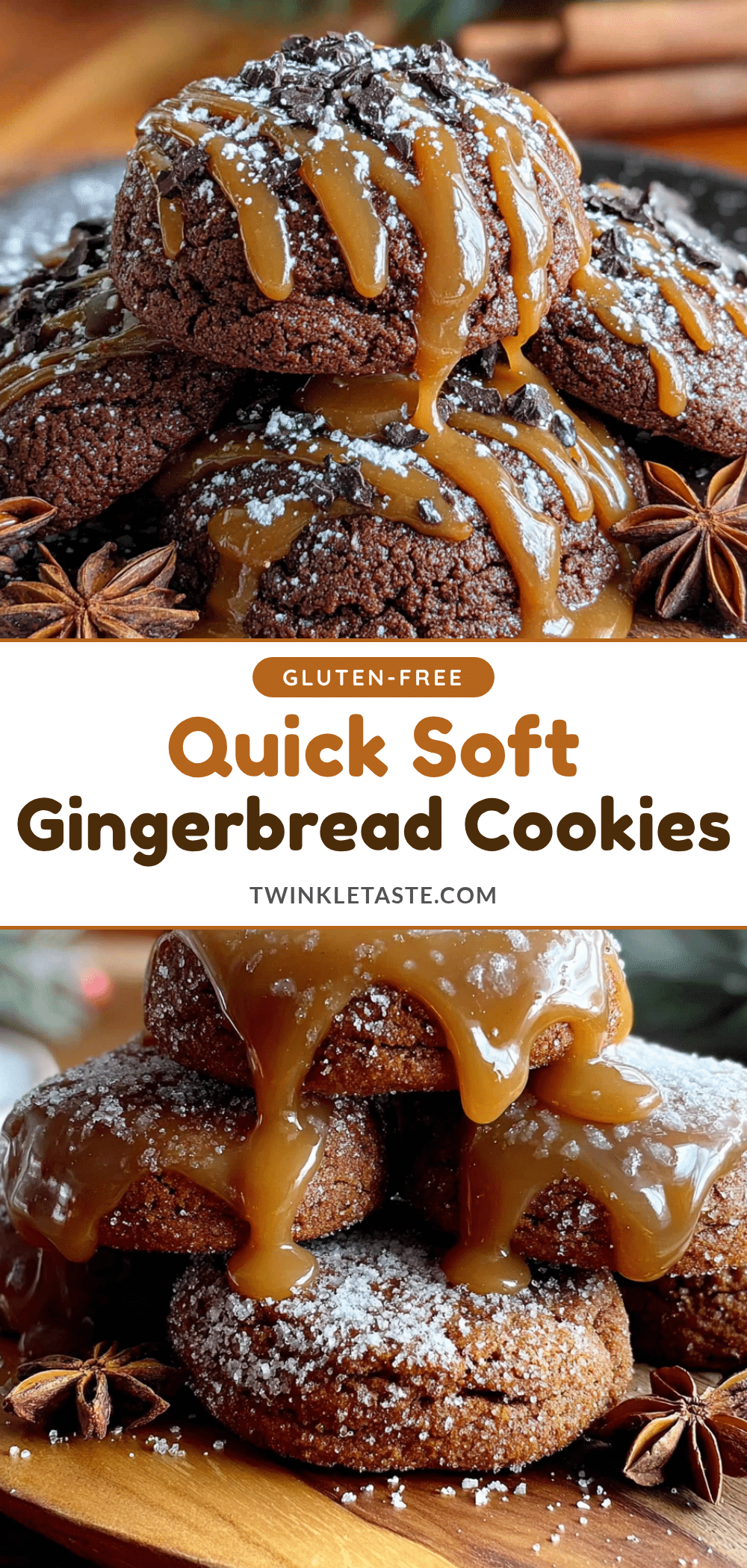
Quick Soft Gingerbread Cookies with Molasses Icing
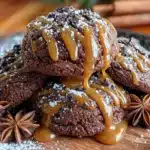
These pillowy, cake-like gingerbread cookies with deep molasses warmth are quick and easy to make, perfect for a weeknight craving. The secret is a careful balance of butter and molasses, plus not overbaking by even a minute.
- Prep Time: 15 minutes
- Cook Time: 10 minutes
- Total Time: 30 minutes
- Yield: 24 servings 1x
- Category: Dessert
- Cuisine: American
Ingredients
- ½ cup (113g) unsalted butter, melted
- ½ cup (100g) brown sugar, packed
- ⅓ cup (110g) unsulphured molasses
- 1 large egg, at room temperature
- 1 teaspoon vanilla extract
- 2 cups (250g) all-purpose flour
- 1½ teaspoons baking soda
- 1½ teaspoons ground ginger
- 1 teaspoon ground cinnamon
- ¼ teaspoon ground cloves
- ¼ teaspoon salt
- 1 cup (120g) powdered sugar
- 2 tablespoons unsulphured molasses
- 1–2 tablespoons milk or water
Instructions
- Preheat your oven to 350°F (175°C). Line a baking sheet with parchment paper or a silicone mat.
- Melt the butter in a microwave-safe bowl or in a small saucepan over low heat. Let it cool for 2-3 minutes.
- In a large bowl, whisk together the melted butter and brown sugar until smooth. Add the molasses, egg, and vanilla extract. Whisk until combined and smooth.
- In a separate small bowl, whisk together the flour, baking soda, ginger, cinnamon, cloves, and salt.
- Add the dry ingredients to the wet ingredients in two additions, stirring gently with a rubber spatula or wooden spoon after each addition. Mix just until no streaks of flour remain. The dough will be soft and slightly sticky.
- Scoop rounded tablespoons of dough (about 1½ tablespoons each) and place them 2 inches apart on the prepared baking sheet.
- Bake for 8-10 minutes, or until the edges are set and the tops look slightly cracked. The centers will look soft and puffy.
- Let the cookies cool on the baking sheet for 5 minutes, then transfer them to a cooling rack.
- While the cookies cool, make the molasses icing. In a small bowl, whisk together the powdered sugar, molasses, and 1 tablespoon of milk or water. Add more liquid, 1 teaspoon at a time, until the icing is thin enough to drizzle but thick enough to hold its shape on the cookie.
- Drizzle the icing over the cooled cookies. Let the icing set for about 10 minutes before serving.
Notes
Don’t overmix the dough. Measure flour correctly by spooning and leveling. Watch baking time carefully; cookies go from perfectly soft to overbaked in about 60 seconds. Use room temperature ingredients. Let cookies cool completely before icing. Make icing just before using.
Nutrition
- Serving Size: 1 cookie
- Calories: 145
- Sugar: 16
- Sodium: 95
- Fat: 5
- Saturated Fat: 3
- Carbohydrates: 24
- Fiber: 0.5
- Protein: 2
Keywords: gingerbread cookies, soft gingerbread, molasses icing, quick cookies, easy gingerbread, weeknight baking