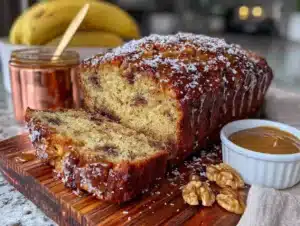
It was 11:47 PM on a random Wednesday, and I had a cinnamon roll craving that wouldn’t quit. I mean, the kind of craving that makes you pace the kitchen, opening cabinets like something new might have magically appeared since you checked them ten minutes ago. I didn’t have a tube of those famous cinnamon rolls in the fridge—the ones everyone uses for the classic breakfast casserole. But I had a box of slightly stale cinnamon swirl bread, some eggs, and a half-empty block of cream cheese. And honestly, that’s when the weirdest, most satisfying kitchen experiment of my life began.
I remember standing there in my pajamas, thinking about how good a warm, gooey cinnamon roll would taste but also how I’d regret the sugar crash before noon. So I started pulling things together—ripping that cinnamon bread into chunks, whisking eggs with a splash of milk, and trying to figure out how to make a cream cheese glaze without powdered sugar (spoiler: you can, and it’s amazing). The whole thing felt a little unhinged, like I was breaking some unspoken breakfast casserole rule. But something about the late hour made me bold. I just went for it.
The result? Honestly, it was better than the original. Lighter, fluffier, with that perfect custard-soaked texture and a tangy-sweet cream cheese drizzle that didn’t weigh me down. I ate a bowl of it right there at the counter, still in my robe, and knew I’d stumbled onto something worth sharing. Maybe you’ve been there—staring at ingredients that don’t quite add up to the recipe you wanted, but somehow making it work anyway. That’s this casserole. It’s the breakfast you didn’t know you needed, born from a late-night craving and a fridge full of possibilities.
Why You’ll Love This Recipe
Let me tell you, this isn’t just another breakfast casserole. After testing this recipe about six times (my neighbors were very happy participants), I can confidently say it hits all the right notes. Here’s why it’s become my go-to for everything from lazy Sundays to holiday brunches:
- Quick & Easy: You can have this on the table in about 45 minutes, start to finish. No overnight soaking, no complicated steps—just mix, layer, and bake.
- Simple Ingredients: No fancy grocery store trips required. You probably have most of these items in your kitchen right now, which is exactly how I like my recipes.
- Perfect for Brunch: Whether it’s a holiday morning, a weekend gathering, or just a Tuesday that needs a little extra sweetness, this casserole fits right in.
- Crowd-Pleaser: I’ve served this to kids, picky eaters, and my aunt who “doesn’t do breakfast”—everyone goes back for seconds.
- Unbelievably Delicious: The texture is what gets me every time. Soft, custard-like bread on the inside with slightly caramelized edges, all topped with that creamy, tangy glaze.
What makes this different from every other cinnamon roll casserole out there? It’s the balance. Most versions are heavy, almost cloyingly sweet, and leave you feeling like you need a nap. This one uses cinnamon swirl bread instead of pre-made rolls, cutting down on the sugar and processed ingredients while keeping all the flavor. The custard is lighter—just eggs, milk, and a touch of vanilla—so the bread stays tender without getting soggy. And that cream cheese glaze? It’s made with a simple trick that gives you all the richness without the powdered sugar overload. It’s comfort food, reimagined for mornings when you want to feel good about what you’re eating.
What Ingredients You Will Need
This recipe relies on simple, wholesome ingredients that work together to create something truly special. Most of these are pantry staples, and I’ve included some easy swaps if you need them.
- Cinnamon swirl bread: 1 loaf (about 16 ounces), cut into 1-inch cubes. I prefer the store-bought kind from the bakery section—it’s soft and has just the right amount of swirl. If you can’t find it, use brioche or challah and add 1 teaspoon of cinnamon to the egg mixture.
- Large eggs: 6, room temperature. They blend more smoothly into the custard this way. If you’re in a hurry, place them in a bowl of warm water for 5 minutes.
- Milk: 1 ½ cups (360 ml). I use 2% for a nice balance of richness and lightness, but whole milk or any plant-based milk (unsweetened almond or oat work great) will do.
- Vanilla extract: 2 teaspoons. Pure vanilla makes a difference here, but imitation works in a pinch.
- Maple syrup or honey: 3 tablespoons. This adds sweetness without refined sugar. I like maple syrup for its warm flavor, but honey is lovely too.
- Cream cheese: 4 ounces (113 grams), softened. Use full-fat for the creamiest glaze, but low-fat works if that’s what you have.
- Greek yogurt: ¼ cup (60 grams), plain. This is my secret ingredient for the glaze—it adds tanginess and creaminess without extra sugar or fat. I recommend Fage or Chobani for thickness.
- Powdered sugar or maple syrup: For the glaze, you can use ½ cup powdered sugar for a traditional sweet glaze, or 2 tablespoons maple syrup for a lighter version. Both are delicious.
- Butter: 2 tablespoons, melted, for drizzling over the top before baking. It helps the edges get golden and crispy.
- Optional add-ins: ½ cup chopped pecans or walnuts for crunch, or ¼ cup raisins if you like that classic cinnamon roll vibe.
Equipment Needed
You don’t need a fancy kitchen to make this casserole. Here’s what you’ll need:
- 9×13-inch baking dish: The standard size for this recipe. Glass or ceramic works best for even heating. I’ve used my trusty Pyrex dish for years—it never lets me down.
- Large mixing bowl: For whisking the eggs and milk together. Any big bowl will do.
- Whisk: To get the custard smooth. A fork works in a pinch, but a whisk is easier.
- Measuring cups and spoons: For accuracy, especially with the liquid ingredients.
- Small saucepan or microwave-safe bowl: For melting the butter.
- Rubber spatula: For mixing the glaze and scraping every last bit out of the bowl.
- Knife and cutting board: To cube the bread. A serrated knife works best for soft bread.
If you don’t have a 9×13 dish, you can use a 10-inch cast iron skillet or two 8×8 square pans—just adjust the baking time slightly (start checking at 25 minutes).
Preparation Method
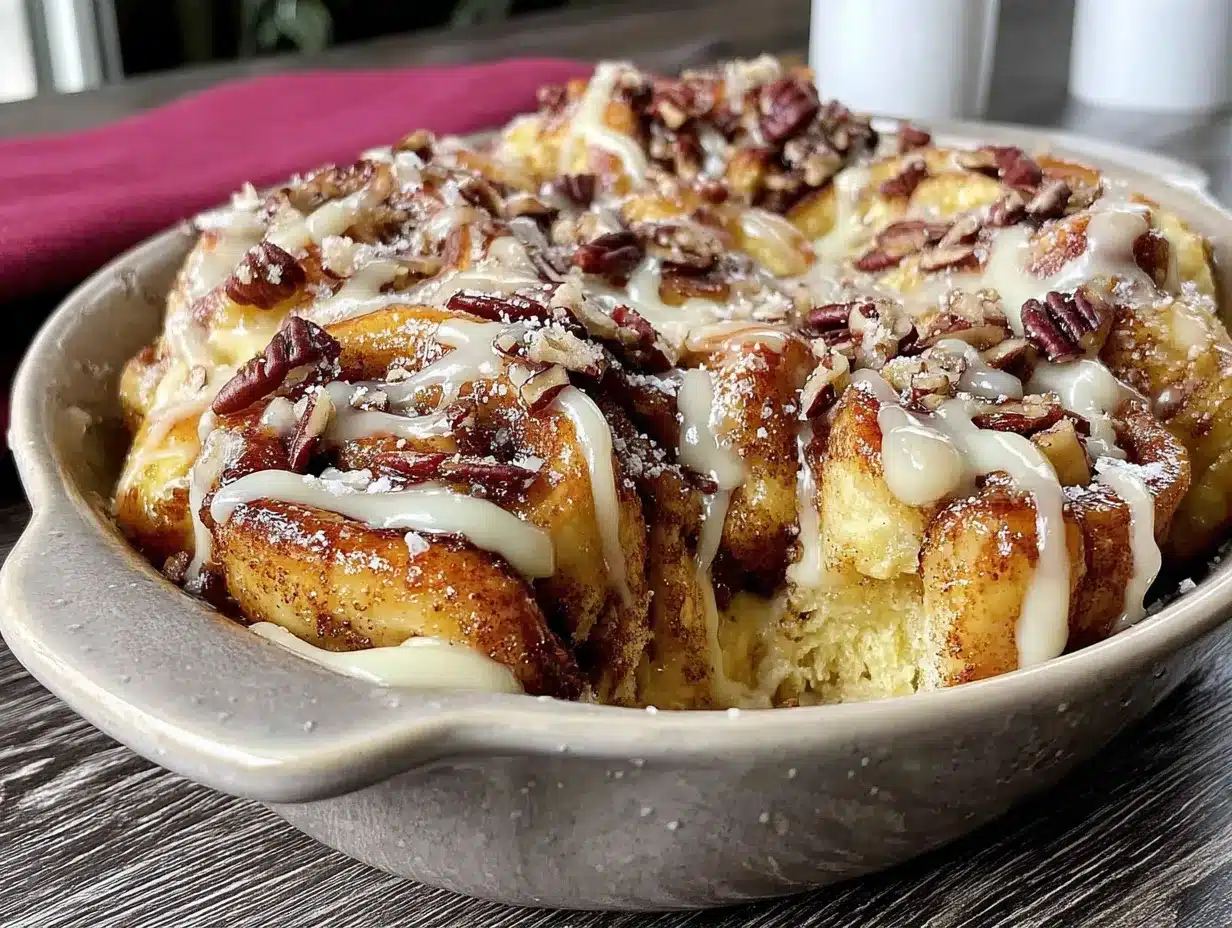
Alright, let’s get cooking. This recipe comes together quickly, so I like to have everything prepped and ready to go before I start.
- Preheat your oven to 350°F (175°C). While it’s heating, grease your 9×13 baking dish with butter or non-stick spray. I use butter because it adds flavor to the edges.
- Cube the bread. Take your loaf of cinnamon swirl bread and cut it into 1-inch cubes. Don’t worry about being too precise—rustic chunks are fine. You should have about 8 cups of bread cubes. Spread them evenly in the prepared dish.
- Make the custard. In your large mixing bowl, crack the 6 eggs and whisk them until they’re light and frothy, about 30 seconds. Add the milk, vanilla extract, and maple syrup (or honey). Whisk again until everything is well combined. The mixture should look pale yellow and smell lightly sweet.
- Pour and soak. Slowly pour the custard mixture over the bread cubes, making sure every piece gets coated. Gently press down on the bread with a spatula to help it absorb the liquid. Let it sit for 10 minutes—this is crucial. The bread needs time to soak up all that goodness. If you skip this step, you’ll end up with dry spots.
- Add the butter. Drizzle the 2 tablespoons of melted butter evenly over the top of the casserole. This helps the top get golden and slightly crispy during baking.
- Bake. Place the dish in the preheated oven and bake for 30-35 minutes. At the 20-minute mark, check on it—if the top is browning too quickly, tent it loosely with aluminum foil. The casserole is done when the center is set (it should jiggle just slightly) and the edges are golden brown. A knife inserted into the center should come out mostly clean.
- Make the cream cheese glaze. While the casserole bakes, prepare the glaze. In a small bowl, beat the softened cream cheese with a spatula or hand mixer until smooth. Add the Greek yogurt and mix until combined. If you’re using powdered sugar, add it gradually, stirring until smooth. If you’re using maple syrup, stir it in now. The glaze should be thick but pourable—if it’s too thick, add a teaspoon of milk at a time until it reaches the right consistency.
- Cool and glaze. Let the casserole cool for 5-10 minutes after it comes out of the oven. This allows it to set up a bit so it doesn’t fall apart when you serve it. Drizzle the cream cheese glaze generously over the top. I like to use a spoon to make those beautiful back-and-forth lines.
- Serve warm. Scoop out portions with a large spoon or spatula. The layers should be soft and custard-like, with slightly caramelized edges. Enjoy immediately!
Cooking Tips & Techniques
I’ve made this casserole enough times to know where things can go wrong. Here are my best tips to ensure success every time:
Don’t skip the soaking time. I learned this the hard way. The first time I made this, I poured the custard over the bread and popped it straight in the oven. The result? Dry, crunchy bread on top and a soggy mess on the bottom. Letting it sit for 10 minutes allows the bread to absorb the custard evenly, giving you that perfect, tender texture throughout.
Use room temperature ingredients. Cold eggs and milk won’t blend as smoothly into the custard, and cold cream cheese will leave lumps in your glaze. Take everything out of the fridge about 20 minutes before you start. If you forget, place the eggs in warm water for 5 minutes and microwave the cream cheese for 10 seconds.
Watch the baking time. Every oven is different, so start checking at 30 minutes. The casserole is done when the center is just set—it should have a slight wobble, like Jell-O. Overbaking will dry it out. I’ve definitely pulled a few tough casseroles out of the oven because I got distracted.
Toast the nuts if using. If you’re adding pecans or walnuts, toast them in a dry skillet over medium heat for 3-4 minutes before sprinkling them over the casserole. It brings out their flavor and adds a lovely crunch.
Make it ahead. This casserole is perfect for meal prep. Assemble it the night before (through step 4), cover it with plastic wrap, and refrigerate. In the morning, let it sit on the counter for 20 minutes while the oven preheats, then bake as directed. The extra soaking time actually makes it even better.
Variations & Adaptations
One of the things I love about this recipe is how flexible it is. Here are some ways to make it your own:
- Gluten-Free Version: Use your favorite gluten-free cinnamon swirl bread or a gluten-free brioche. The custard works exactly the same way. I’ve tested this with a few brands, and it turns out beautifully.
- Dairy-Free Adaptation: Swap the milk for unsweetened almond or oat milk, use a dairy-free cream cheese (Kite Hill is my favorite), and replace the butter with coconut oil or vegan butter. The texture is slightly different but still delicious.
- Lower-Sugar Option: If you’re watching your sugar intake, use a sugar-free cinnamon swirl bread (or regular whole wheat bread with extra cinnamon) and replace the maple syrup in the custard with a sugar-free sweetener. For the glaze, skip the powdered sugar and use just the cream cheese and Greek yogurt with a splash of vanilla.
- Seasonal Twist: In the fall, add ½ cup of canned pumpkin puree to the custard and a teaspoon of pumpkin pie spice. In the summer, top the baked casserole with fresh berries and a dollop of whipped cream.
- Savory-Sweet Combo: This might sound weird, but trust me—add ½ cup of cooked, crumbled bacon or breakfast sausage to the bread cubes before pouring the custard. The salty-sweet combination is incredible.
Serving & Storage Suggestions
This casserole is best served warm, right after the glaze has been drizzled on top. The contrast between the warm, custard-soaked bread and the cool, creamy glaze is pure magic. I like to serve it with a side of fresh fruit—mixed berries or sliced bananas work beautifully—to balance the sweetness.
For a complete brunch spread, pair it with scrambled eggs or a simple frittata, some crispy bacon or sausage links, and a big pot of coffee or a pitcher of fresh orange juice. It also goes wonderfully with a side of Greek yogurt parfaits for a lighter option.
Storage: Leftovers keep well in the refrigerator for up to 3 days. Store them in an airtight container. The casserole will absorb the glaze over time, making it even more moist and flavorful.
Reheating: The best way to reheat is in the oven at 300°F (150°C) for 10-15 minutes, or until warmed through. The microwave works in a pinch (about 60 seconds per serving), but the edges won’t be as crispy. If you’re reheating a large portion, add a splash of milk to the dish before reheating to restore moisture.
Freezing: You can freeze the baked, unglazed casserole for up to 2 months. Wrap it tightly in plastic wrap and then aluminum foil. Thaw overnight in the refrigerator, reheat in the oven, and add the fresh glaze before serving. I’ve done this for holiday mornings, and it’s a lifesaver.
Nutritional Information & Benefits
Here’s the thing—this is still a breakfast casserole, so it’s not a health food. But compared to traditional cinnamon roll casseroles, this version is significantly lighter. Here are the estimated nutritionals per serving (based on 8 servings):
- Calories: Approximately 320
- Protein: 12 grams
- Carbohydrates: 38 grams
- Fat: 14 grams
- Sugar: 18 grams
- Fiber: 2 grams
The Greek yogurt and eggs provide a good amount of protein, which helps keep you full and satisfied. The cinnamon in the bread has anti-inflammatory properties and can help regulate blood sugar. And by using cinnamon swirl bread instead of pre-made rolls, you’re cutting down on processed ingredients and preservatives.
If you’re following a specific diet, this recipe can be adapted for gluten-free, dairy-free, or lower-sugar needs (see the variations section). It’s also relatively low in added sugar compared to most breakfast casseroles, making it a great option for anyone looking to enjoy a sweet treat without overdoing it.
Conclusion
This lighter cinnamon roll breakfast casserole has become a staple in my kitchen, and I hope it becomes one in yours too. It’s the kind of recipe that feels indulgent but doesn’t leave you feeling heavy or guilty—perfect for those mornings when you want something special without going overboard.
I love how versatile it is. You can dress it up for a holiday brunch or keep it simple for a lazy Sunday. You can make it ahead, freeze it, or throw it together at the last minute. And that cream cheese glaze? Honestly, I’ve been known to make extra just to keep in the fridge for drizzling over everything from pancakes to fruit.
Now it’s your turn. Give this recipe a try and let me know how it turns out! Did you add any fun twists? Did your family love it as much as mine does? Drop a comment below—I genuinely love hearing about your kitchen adventures. And if you’re looking for more lighter breakfast ideas, check out our healthy banana oat pancakes or this savory sweet potato hash for another satisfying morning meal.
Happy cooking, friends. Your taste buds (and your body) will thank you.
Frequently Asked Questions
Can I use regular white bread instead of cinnamon swirl bread?
Absolutely. If you use plain bread, just add 1-2 teaspoons of ground cinnamon and an extra tablespoon of maple syrup or honey to the custard mixture. You can also sprinkle a cinnamon-sugar mixture (1 tablespoon sugar + 1 teaspoon cinnamon) over the top before baking for that classic cinnamon roll flavor.
How do I know when the casserole is fully baked?
The center should be set but still have a slight jiggle, similar to a cheesecake. A knife inserted into the center should come out mostly clean, and the edges should be golden brown. If the top is browning too quickly, tent it with foil for the last 10 minutes of baking.
Can I make this casserole the night before?
Yes! This is actually one of my favorite ways to make it. Assemble the casserole completely (through step 4), cover it tightly with plastic wrap, and refrigerate overnight. In the morning, let it sit on the counter for 20 minutes while the oven preheats, then bake as directed. The extra soaking time makes the bread even more tender and custard-like.
What’s the best way to soften cream cheese for the glaze?
Take the cream cheese out of the fridge about 20-30 minutes before you need it. If you’re short on time, remove it from the foil wrapper, place it on a microwave-safe plate, and microwave it in 10-second intervals until it’s soft but not melted. You can also place it in a bowl of warm water for 10 minutes.
Can I freeze this casserole?
Yes, but I recommend freezing it before adding the glaze. Bake the casserole, let it cool completely, wrap it tightly in plastic wrap and then aluminum foil, and freeze for up to 2 months. Thaw overnight in the refrigerator, reheat in a 300°F oven for 15-20 minutes, and add the fresh glaze just before serving. The glaze doesn’t freeze well, so always make it fresh.
Pin This Recipe!
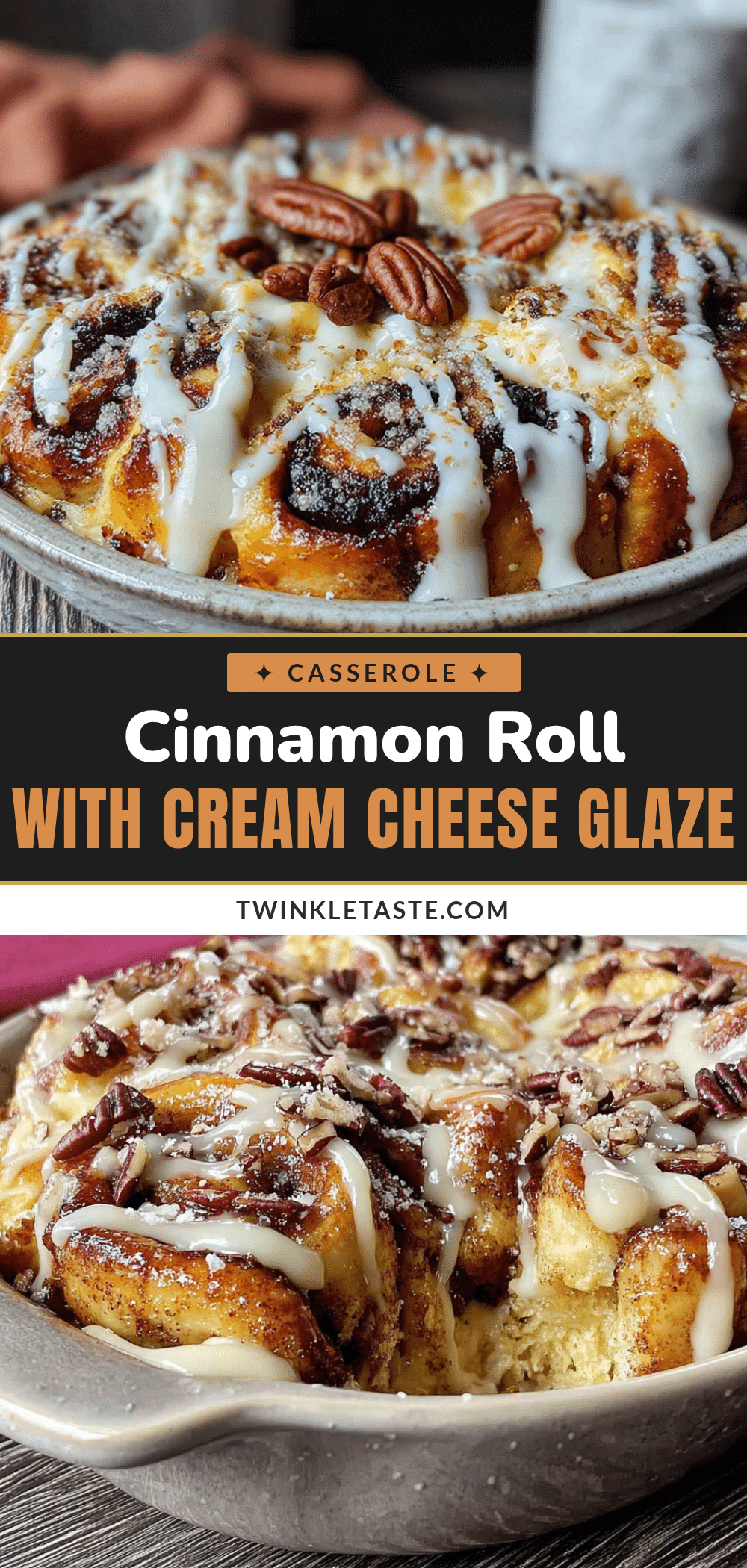
Lighter Cinnamon Roll Breakfast Casserole with Cream Cheese Glaze

A lighter, fluffier breakfast casserole made with cinnamon swirl bread, a creamy custard, and a tangy cream cheese glaze. Perfect for lazy Sundays or holiday brunches, this easy recipe comes together in about 45 minutes and uses simple ingredients.
- Prep Time: 15 minutes
- Cook Time: 30 minutes
- Total Time: 45 minutes
- Yield: 8 servings 1x
- Category: Breakfast
- Cuisine: American
Ingredients
- 1 loaf (about 16 ounces) cinnamon swirl bread, cut into 1-inch cubes
- 6 large eggs, room temperature
- 1 ½ cups (360 ml) milk (2% recommended)
- 2 teaspoons vanilla extract
- 3 tablespoons maple syrup or honey
- 4 ounces (113 grams) cream cheese, softened
- ¼ cup (60 grams) plain Greek yogurt
- ½ cup powdered sugar or 2 tablespoons maple syrup (for glaze)
- 2 tablespoons butter, melted
- ½ cup chopped pecans or walnuts (optional)
- ¼ cup raisins (optional)
Instructions
- Preheat your oven to 350°F (175°C). Grease a 9×13-inch baking dish with butter or non-stick spray.
- Cube the cinnamon swirl bread into 1-inch pieces (about 8 cups). Spread evenly in the prepared dish.
- In a large mixing bowl, whisk the eggs until light and frothy, about 30 seconds. Add the milk, vanilla extract, and maple syrup (or honey). Whisk until well combined.
- Slowly pour the custard mixture over the bread cubes, pressing gently with a spatula to help absorption. Let sit for 10 minutes.
- Drizzle the melted butter evenly over the top.
- Bake for 30-35 minutes, until the center is set (slight jiggle) and edges are golden brown. Tent with foil if browning too quickly at 20 minutes.
- While baking, make the glaze: In a small bowl, beat the softened cream cheese until smooth. Add Greek yogurt and mix. Gradually add powdered sugar (or stir in maple syrup) until thick but pourable. Add milk 1 teaspoon at a time if too thick.
- Let the casserole cool for 5-10 minutes. Drizzle the cream cheese glaze generously over the top.
- Serve warm.
Notes
Don’t skip the 10-minute soaking time for the bread. Use room temperature ingredients for best results. For make-ahead, assemble through step 4, cover, and refrigerate overnight; let sit 20 minutes before baking. Freeze baked, unglazed casserole for up to 2 months.
Nutrition
- Serving Size: 1 serving (1/8 of ca
- Calories: 320
- Sugar: 18
- Sodium: 350
- Fat: 14
- Saturated Fat: 6
- Carbohydrates: 38
- Fiber: 2
- Protein: 12
Keywords: cinnamon roll breakfast casserole, lighter breakfast casserole, cream cheese glaze, brunch recipe, easy breakfast casserole