It was 11:47 PM on a random Tuesday in early December, and I had a very specific, very loud craving for something creamy, spiced, and boozy. The kind of craving that makes you root through the pantry like a raccoon. I didn’t have any evaporated milk or a bottle of rum that wasn’t half-empty and dusty, but I had a can of cream of coconut left over from summer piña coladas, a carton of coconut milk, and a wild idea that maybe, just maybe, I could fake my way through a batch of coquito without a proper grocery run. That night, standing in my kitchen in my pajamas, I cracked open that can of cream of coconut and the whole room smelled like Christmas.
I’ll be honest — I didn’t grow up making this stuff. I’m not Puerto Rican, and I had no abuela’s recipe tucked away in a worn-out spiral notebook. What I had was a deep appreciation for the drink after a friend brought a jug to a holiday party a few years back. I remember standing by the punch bowl, going back for a third pour, and thinking, “Why is no one talking about how good this is?” It’s richer than eggnog, smoother than a regular rum drink, and somehow tastes like the holidays distilled into a single sip. That night, alone in my kitchen, I was trying to recreate that magic from memory.
The first batch was a little too thin. The second was way too sweet. But by batch three — around 1 AM, with cinnamon dusted across the counter and a sleepy cat watching from the windowsill — I nailed it. I poured it into a mason jar, took a sip, and honestly, I almost teared up. It was everything I wanted. That’s the thing about late-night kitchen experiments: there’s no pressure, no one watching, just you and the craving. And when it works, it’s pure vindication. This Easy Puerto Rican Coquito recipe is the result of that weird, wonderful night, and I’ve been making it every holiday season since.
Why You’ll Love This Recipe
Let me tell you why this coquito is going to become your new holiday tradition. I’ve tested this recipe more times than I care to count — for friends, for family, for neighbors who “just stopped by” — and it’s never let me down. It’s the kind of drink that makes people close their eyes after the first sip and go quiet for a second. That’s the sign of a winner.
- Quick & Easy: This comes together in about 10 minutes of active time. No cooking, no egg tempering, no complicated steps. Just blend, shake, and chill.
- Simple Ingredients: You probably already have most of these in your pantry. No fancy grocery trips or specialty stores required.
- Perfect for the Holidays: Great for Christmas parties, Nochebuena, or just sipping by the tree on a cold December night.
- Crowd-Pleaser: I’ve served this to rum lovers and rum skeptics alike, and everyone goes back for seconds. It’s dangerously drinkable.
- Unbelievably Delicious: The texture is velvety, the coconut flavor is front and center, and the warm spices wrap around you like a cozy blanket.
What makes this recipe different from the rest? It’s the balance. So many coquito recipes are either too sweet or too thin. I spent hours tweaking the ratios of cream of coconut to coconut milk to evaporated milk until I got that perfect, silky mouthfeel. Plus, I use a secret trick — a pinch of salt and a tiny splash of vanilla — that makes all the flavors pop without tasting like a spice cabinet exploded. This isn’t just another version of coquito. It’s the one you’ll come back to year after year.
What Ingredients You Will Need
This recipe uses simple, wholesome ingredients to deliver that signature coconut richness and holiday warmth without any fuss. Most of these are pantry staples during the holiday season, so you’re probably already halfway there.
- Cream of coconut (15 oz can) — This is the sweet, thick stuff, not coconut milk. I recommend Coco López for the most authentic flavor and texture. It’s the gold standard.
- Unsweetened coconut milk (13.5 oz can) — Adds richness without making it cloying. Shake the can well before opening because it separates.
- Evaporated milk (12 oz can) — Gives the coquito body and a slightly creamy, caramelized flavor. Don’t substitute with regular milk here.
- Sweetened condensed milk (14 oz can) — For sweetness and that thick, luscious texture. (Use a dairy-free version if needed.)
- White rum (1 cup, or to taste) — A classic Puerto Rican rum like Bacardí or Don Q works beautifully. You can adjust the amount based on your preference.
- Vanilla extract (1 teaspoon) — Adds warmth and rounds out the coconut flavor. Use pure vanilla if you can.
- Ground cinnamon (1 teaspoon) — The backbone of the spice profile. I prefer Ceylon cinnamon for a milder, sweeter note.
- Ground nutmeg (½ teaspoon) — Freshly grated is always better, but pre-ground works in a pinch.
- Ground cloves (¼ teaspoon) — Just a tiny pinch. It’s potent, so don’t overdo it.
- Salt (a pinch) — Trust me on this. It balances the sweetness and makes everything taste more vibrant.
- Cinnamon sticks (2-3, for garnish and flavor infusion) — Optional but highly recommended for that festive look.
Substitution Guidance: For a dairy-free version, use full-fat canned coconut milk in place of the evaporated milk and a dairy-free sweetened condensed milk. For a lower-sugar option, look for “light” cream of coconut, though the texture will be slightly thinner. You can also swap the white rum for dark rum if you want a deeper, more molasses-like flavor.
Equipment Needed
You don’t need a fully stocked kitchen to make this coquito. Here’s what you’ll need:
- Blender — A standard countertop blender works perfectly. I’ve used my trusty Ninja for years, and it handles the cream of coconut like a dream. An immersion blender with a tall cup also works in a pinch.
- Large mixing bowl or pitcher — For combining everything after blending. A glass pitcher looks prettiest for serving.
- Fine-mesh strainer — Optional, but I recommend it. It catches any little undissolved bits of spice or coconut fiber and makes the final texture silky smooth.
- Funnel — Makes pouring into bottles way less messy. You can find cheap plastic ones at any grocery store.
- Glass bottles or jars — Swing-top bottles are classic and festive, but mason jars work beautifully too. Just make sure they’re clean and dry.
- Measuring cups and spoons — For accuracy, especially with the spices.
Budget-Friendly Tip: If you don’t have a blender, you can whisk everything together by hand in a large bowl. Just make sure the cream of coconut is well-stirred and smooth before you start. It takes a little more elbow grease, but the result is the same.
Preparation Method
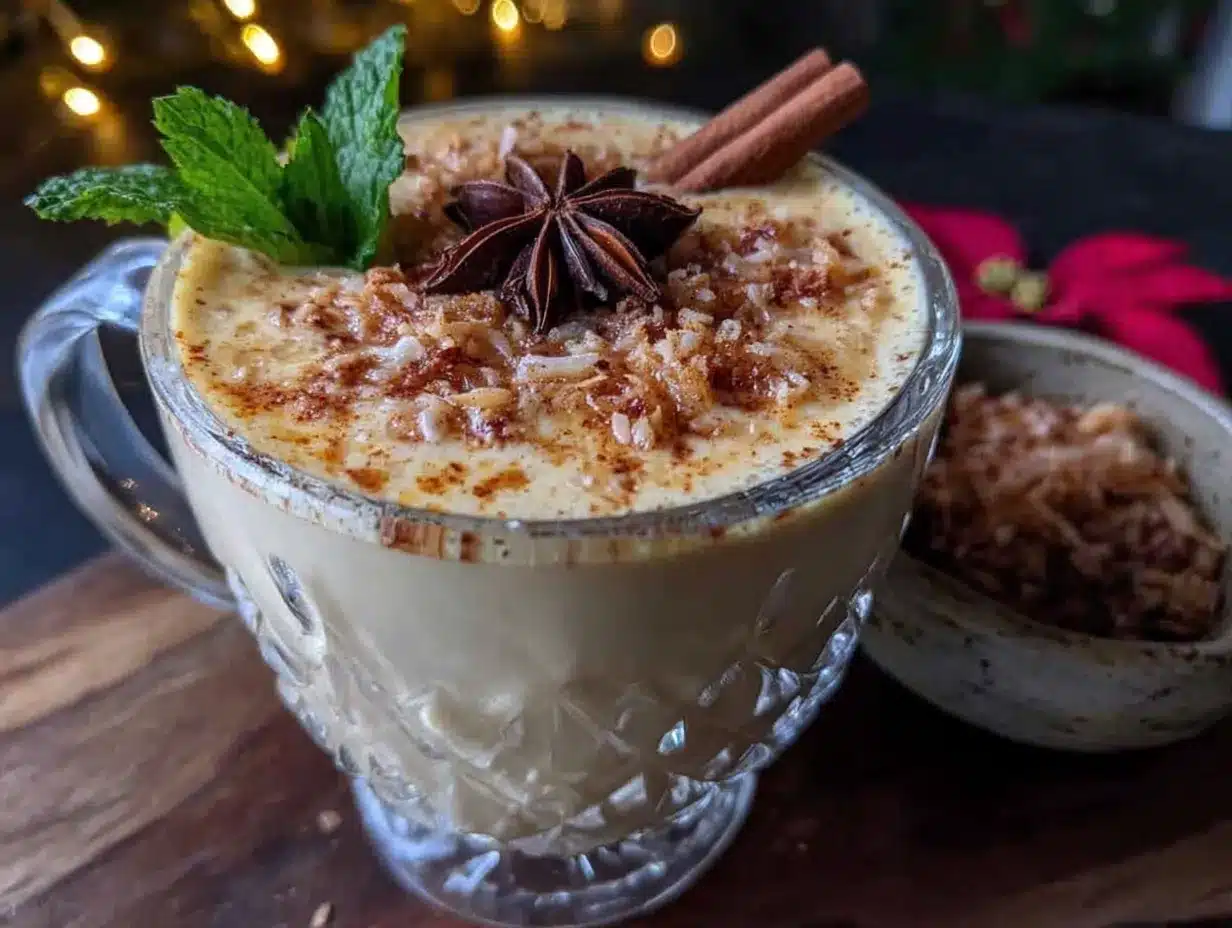
- Prep your ingredients: Take the cans of cream of coconut and coconut milk out of the pantry. Open them and give each a good stir — the cream of coconut can be stubbornly thick, so scrape the sides. Measure out your rum and spices so everything is ready to go.
- Blend the base: In your blender, combine the cream of coconut, coconut milk, evaporated milk, and sweetened condensed milk. Add the vanilla extract, ground cinnamon, nutmeg, cloves, and that pinch of salt. Blend on low for about 30 seconds, then increase to medium and blend for another 30 seconds until everything is smooth and uniform. You should see a beautiful, pale cream color with tiny specks of spice throughout.
- Add the rum: Pour in the white rum and pulse a few times to incorporate. Don’t over-blend here — you just want it mixed in. Taste it at this point. If you want a stronger kick, add another splash of rum and pulse again. If it’s too strong, add a little more coconut milk to mellow it out.
- Strain (optional but recommended): Set your fine-mesh strainer over a large bowl or pitcher. Pour the blended coquito through the strainer, using a spatula to gently push it through. This catches any tiny bits of spice that didn’t fully dissolve or any stringy bits from the coconut milk. The result is a glass-smooth texture that feels luxurious on the tongue.
- Bottle it up: Place your funnel in the mouth of your glass bottle or jar. Carefully pour the strained coquito into the container. Leave about an inch of headspace at the top — the flavors need room to mingle, and you’ll want to shake it before serving anyway.
- Add cinnamon sticks: Drop one or two cinnamon sticks into each bottle. This isn’t just for looks — the cinnamon will continue to infuse the coquito as it chills, adding a gentle warmth that develops over time.
- Chill: Seal the bottles tightly and place them in the refrigerator. This is the hardest part — you need to let it rest for at least 4 hours, but overnight is best. The flavors meld together and the texture thickens slightly as it chills. I know it’s tempting, but don’t skip this step.
- Serve: When you’re ready to enjoy, give the bottle a good shake before pouring (the spices settle at the bottom). Pour into small glasses — coquito is rich, so a little goes a long way. Garnish with a sprinkle of cinnamon or a cinnamon stick if you’re feeling fancy. Serve cold.
Pro Tip: If you’re making this for a party, double the recipe. Trust me. One batch disappears fast, and you don’t want to be blending at midnight again (unless that’s your thing).
Cooking Tips & Techniques
I’ve made this coquito enough times to know exactly where things can go wrong. Here are my hard-earned tips to make sure yours turns out perfect every time.
Don’t skip the straining step. I learned this the hard way. The first time I made coquito, I was impatient and skipped the strainer. The texture was fine, but every now and then I’d get a gritty little clump of spice that just ruined the experience. Now I always strain, and the difference is night and day. It takes an extra 30 seconds and makes the final drink feel like something from a fancy cocktail bar.
Let it rest overnight. I know, I know — you want to drink it now. But coquito is like a good pasta sauce or chili: it gets better with time. The spices need time to bloom and meld with the coconut and rum. If you taste it right after blending, the cinnamon and clove might seem a little harsh. After 24 hours in the fridge, everything smooths out into this harmonious, mellow flavor. I once served some after only 2 hours and my friend said it was “good.” I served the same batch the next night and she said it was “the best thing she’d ever tasted.” Patience pays off.
Shake before every pour. The coconut cream and spices naturally settle at the bottom of the bottle as it sits. If you don’t shake it, your first glass will be watery and your last glass will be a sugar bomb. Give it a good 5-second shake each time you pour, and every glass will be perfectly consistent.
Watch your rum ratio. I like my coquito with a solid kick, but I’ve made the mistake of being too generous with the rum before. The alcohol can overpower the delicate coconut and spice flavors if you’re not careful. Start with 1 cup, taste it, and add more in small increments if you want it stronger. You can always add more rum, but you can’t take it out.
Variations & Adaptations
One of the best things about this Easy Puerto Rican Coquito recipe is how adaptable it is. I’ve played around with it quite a bit over the years, and here are some of my favorite variations.
Spiced Coquito: Add a star anise pod and a strip of orange peel to the blender along with the other spices. The anise adds a subtle licorice note that pairs beautifully with the coconut, and the orange oil brings a bright, citrusy lift. Just remember to remove the star anise before bottling, or it’ll get too strong.
Vegan Coquito: Swap the evaporated milk for a full-fat can of coconut cream, and use a dairy-free sweetened condensed milk (I like Nature’s Charm brand). The result is actually richer and more coconut-forward than the original. My vegan friends beg me to make this every year.
Chocolate Coquito: This one is dangerous. Add ¼ cup of unsweetened cocoa powder to the blender along with the other ingredients. You get this incredible coconut-chocolate flavor that tastes like a boozy Mounds bar. I made this for a holiday potluck once and it was gone in 20 minutes.
Lower-Sugar Coquito: Use a “light” cream of coconut and unsweetened coconut milk. Cut the sweetened condensed milk in half. The texture will be slightly thinner, but the flavor is still fantastic. I’ve made this for friends who are watching their sugar intake, and they didn’t miss the extra sweetness at all.
Non-Alcoholic Coquito: Simply leave out the rum and add an extra ½ cup of coconut milk or a splash of coconut water to keep the volume consistent. It’s still creamy and delicious, and the kids can enjoy it too. I call this one “Coquito Lite” and serve it alongside the real deal at family gatherings.
Serving & Storage Suggestions
Coquito is best served ice cold. I like to pour it into small, chilled glasses — think 4-ounce shot glasses or small juice glasses. It’s rich, so a little goes a long way. Garnish with a light dusting of ground cinnamon or a cinnamon stick for that extra festive touch.
This drink pairs beautifully with other holiday treats. Serve it alongside a plate of Bizcocho (Puerto Rican pound cake), or with a warm slice of Coquito Bread Pudding for the ultimate coconut overload. It also works as a dessert in itself — just pour it over a little crushed ice for a boozy slushie effect.
Storage: Coquito keeps beautifully in the refrigerator for up to 2 weeks. The flavors actually continue to develop and mellow over the first few days. Just make sure your bottles are tightly sealed to prevent any fridge odors from sneaking in. I’ve kept a batch for 3 weeks before and it was still delicious, though the texture can start to separate slightly after the 2-week mark.
Freezing: You can freeze coquito in an airtight container for up to 3 months. Thaw it in the refrigerator overnight, then give it a good shake before serving. The texture might be slightly different after freezing — a little thinner — but the flavor is still fantastic. I’ve frozen batches in ice cube trays to use in smoothies or coffee later. It’s a game-changer.
Reheating: I don’t recommend heating coquito. It’s meant to be served cold, and heating it can cause the dairy to separate and the coconut cream to get grainy. If you want a warm drink, make a separate batch of spiced coconut milk and add rum to that.
Nutritional Information & Benefits
Let’s be real — this is a treat, not a health drink. But that doesn’t mean it’s completely devoid of redeeming qualities. Here’s a rough estimate per 4-ounce serving (about half a cup):
- Calories: Approximately 280-320
- Fat: 14-18g (mostly from coconut, which is rich in medium-chain triglycerides)
- Carbohydrates: 30-35g
- Sugar: 25-30g
- Protein: 3-5g
- Alcohol: Varies based on rum amount
Health Highlights: Coconut milk and cream contain medium-chain triglycerides (MCTs), which are a type of fat that your body can use for quick energy. Cinnamon has been shown to help regulate blood sugar levels, and nutmeg contains compounds that may have anti-inflammatory properties. Of course, the sugar and alcohol content mean this should be enjoyed in moderation — but hey, it’s the holidays.
Dietary Considerations: This recipe contains dairy (evaporated milk, sweetened condensed milk). It’s naturally gluten-free. For a vegan version, follow the substitution notes above. It’s also nut-free as written (though some brands of coconut milk may be processed in facilities that handle tree nuts, so check labels if allergies are a concern).
Conclusion
This Easy Puerto Rican Coquito recipe is more than just a drink — it’s a little bottle of holiday magic. It’s the thing I look forward to making every December, the one that makes my kitchen smell like a Caribbean Christmas market, and the one that gets the most compliments at every party I bring it to. Whether you’re a coquito veteran or a first-timer who stumbled here because you had a late-night craving (I see you), I promise this recipe will deliver.
Don’t be afraid to make it your own. Add more cinnamon. Use dark rum. Throw in a vanilla bean if you’re feeling fancy. The beauty of this recipe is that it’s forgiving and flexible. It wants you to succeed. And when you pour that first glass, take a sip, and feel that warm, spiced, coconutty hug spread through you — you’ll know exactly what I mean.
I’d love to hear how yours turns out! Drop a comment below and let me know if you tried any variations, or tag me in your photos on social media. Did you make it for a holiday party? Did you drink the whole batch yourself in one night? No judgment here — I’ve been there. Happy holidays, and cheers to you and yours!
Frequently Asked Questions
Can I use coconut cream instead of cream of coconut?
Not exactly. Coconut cream is unsweetened and much thicker. Cream of coconut is sweetened and has a syrupy consistency. If you only have coconut cream, you’ll need to add extra sweetener (like simple syrup or honey) to get the right flavor. I’d recommend sticking with cream of coconut for the most authentic result.
How long does homemade coquito last?
Properly stored in a sealed bottle in the refrigerator, coquito will last 2-3 weeks. The flavors actually get better after a day or two. After that, the texture can start to separate slightly, but it’s still safe to drink as long as it smells and tastes fine.
Can I make coquito without rum?
Absolutely! Just leave out the rum and add an extra ½ cup of coconut milk or a splash of coconut water to keep the volume the same. It’s still creamy and delicious — perfect for kids or anyone avoiding alcohol.
Why is my coquito grainy?
Graininess usually comes from undissolved spices or bits of coconut fiber. The fix is easy: strain your coquito through a fine-mesh strainer before bottling. Also, make sure you’re using finely ground spices, not coarse ones.
Can I double this recipe?
Yes! This recipe doubles beautifully. Just make sure your blender is big enough to handle the volume, or blend in batches. The rest of the process stays the same — just scale up the ingredients and use larger bottles.
Pin This Recipe!
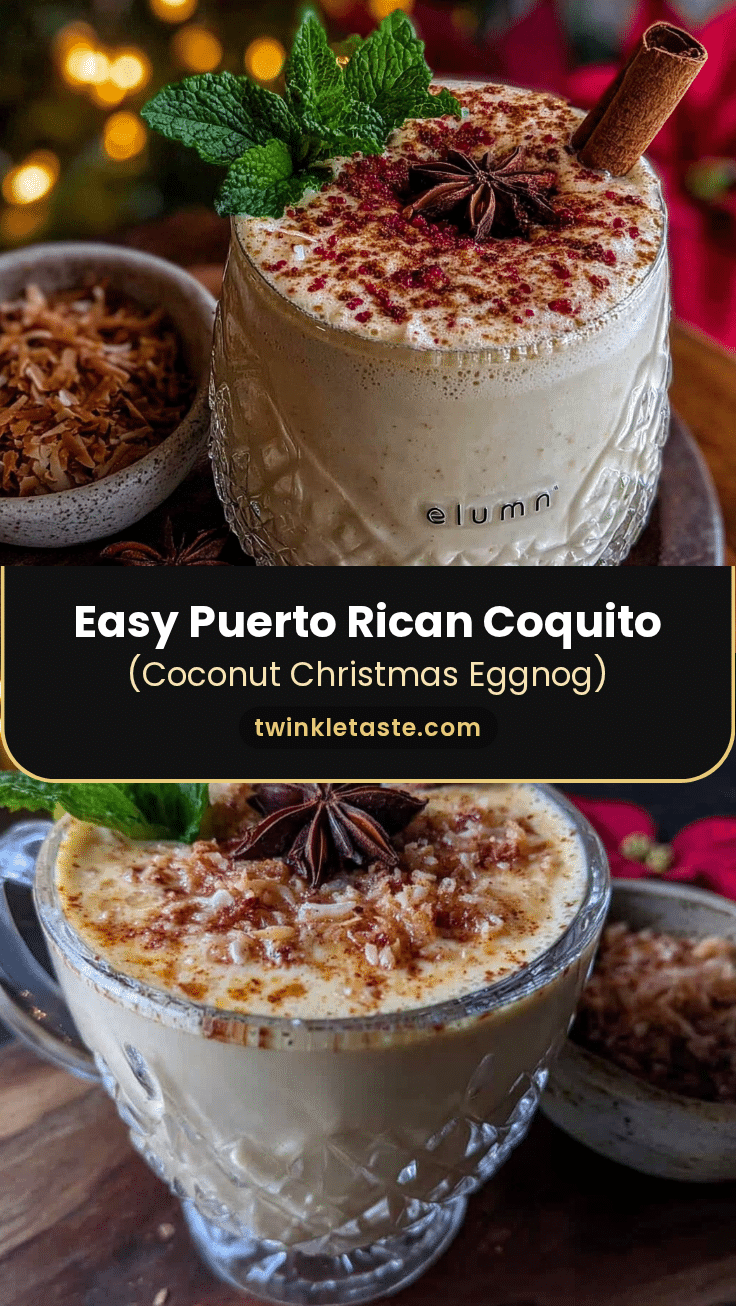
Easy Puerto Rican Coquito Recipe | Best Homemade Coquito

This Easy Puerto Rican Coquito recipe is a creamy, spiced, and boozy holiday drink that comes together in just 10 minutes of active time. It’s richer than eggnog, smoother than a regular rum drink, and tastes like the holidays in a glass.
- Prep Time: 10 minutes
- Cook Time: 0 minutes
- Total Time: 4 hours 10 minutes (includes chilling time)
- Yield: 8 servings 1x
- Category: Beverage
- Cuisine: Puerto Rican
Ingredients
- 1 can (15 oz) cream of coconut (e.g., Coco López)
- 1 can (13.5 oz) unsweetened coconut milk
- 1 can (12 oz) evaporated milk
- 1 can (14 oz) sweetened condensed milk
- 1 cup white rum (e.g., Bacardí or Don Q)
- 1 teaspoon vanilla extract
- 1 teaspoon ground cinnamon (preferably Ceylon)
- ½ teaspoon ground nutmeg
- ¼ teaspoon ground cloves
- A pinch of salt
- 2–3 cinnamon sticks (for garnish and flavor infusion)
Instructions
- Prep your ingredients: Take the cans of cream of coconut and coconut milk out of the pantry. Open them and give each a good stir — the cream of coconut can be stubbornly thick, so scrape the sides. Measure out your rum and spices so everything is ready to go.
- Blend the base: In your blender, combine the cream of coconut, coconut milk, evaporated milk, and sweetened condensed milk. Add the vanilla extract, ground cinnamon, nutmeg, cloves, and that pinch of salt. Blend on low for about 30 seconds, then increase to medium and blend for another 30 seconds until everything is smooth and uniform. You should see a beautiful, pale cream color with tiny specks of spice throughout.
- Add the rum: Pour in the white rum and pulse a few times to incorporate. Don’t over-blend here — you just want it mixed in. Taste it at this point. If you want a stronger kick, add another splash of rum and pulse again. If it’s too strong, add a little more coconut milk to mellow it out.
- Strain (optional but recommended): Set your fine-mesh strainer over a large bowl or pitcher. Pour the blended coquito through the strainer, using a spatula to gently push it through. This catches any tiny bits of spice that didn’t fully dissolve or any stringy bits from the coconut milk. The result is a glass-smooth texture that feels luxurious on the tongue.
- Bottle it up: Place your funnel in the mouth of your glass bottle or jar. Carefully pour the strained coquito into the container. Leave about an inch of headspace at the top — the flavors need room to mingle, and you’ll want to shake it before serving anyway.
- Add cinnamon sticks: Drop one or two cinnamon sticks into each bottle. This isn’t just for looks — the cinnamon will continue to infuse the coquito as it chills, adding a gentle warmth that develops over time.
- Chill: Seal the bottles tightly and place them in the refrigerator. This is the hardest part — you need to let it rest for at least 4 hours, but overnight is best. The flavors meld together and the texture thickens slightly as it chills. I know it’s tempting, but don’t skip this step.
- Serve: When you’re ready to enjoy, give the bottle a good shake before pouring (the spices settle at the bottom). Pour into small glasses — coquito is rich, so a little goes a long way. Garnish with a sprinkle of cinnamon or a cinnamon stick if you’re feeling fancy. Serve cold.
Notes
Don’t skip the straining step for a silky smooth texture. Let the coquito rest overnight for the best flavor. Shake well before each pour as the spices settle. Start with 1 cup of rum and adjust to taste. For a dairy-free version, use full-fat canned coconut milk in place of evaporated milk and a dairy-free sweetened condensed milk. For a lower-sugar option, use light cream of coconut and reduce sweetened condensed milk by half.
Nutrition
- Serving Size: 4 ounces (about ½ cu
- Calories: 300
- Sugar: 28
- Sodium: 80
- Fat: 16
- Saturated Fat: 12
- Carbohydrates: 33
- Fiber: 1
- Protein: 4
Keywords: coquito, Puerto Rican coquito, easy coquito, homemade coquito, Christmas drink, holiday drink, coconut rum drink, eggnog alternative