Let me be honest with you—I wasn’t always a shrimp pasta person. For years, I swore I didn’t like shrimp. The texture felt weird, the flavor was either too fishy or nonexistent, and honestly, I just didn’t get the hype. Then one Thursday night, completely exhausted after a week of hosting back-to-back dinner parties, I threw this together with whatever was in my fridge. I wasn’t even trying to impress anyone. I just needed dinner on the table in under 15 minutes before my guests arrived.
That’s when everything changed. My neighbor, who had been helping me set up the table, caught me standing over the stove eating straight from the pan. “I thought you hated shrimp,” she said, raising an eyebrow. I didn’t even have a good excuse. I just handed her a fork and watched her eyes go wide after the first bite. “Okay,” she said, “you have to make this for the party tonight.” And I did. It was the first dish to disappear, and I spent the rest of the night pretending I wasn’t smug about it.
The thing about this easy garlic butter shrimp pasta is that it doesn’t try to be fancy. It’s just good. The garlic butter sauce coats every strand of pasta perfectly, the shrimp stay tender and juicy (not rubbery, I promise), and the whole thing comes together in the time it takes to boil water. No complicated techniques, no exotic ingredients you’ll never use again. Just honest, crowd-pleasing food that makes you look like you spent hours in the kitchen when you really didn’t. If you’ve been skeptical about shrimp pasta, I get it. But this one might just change your mind too.
Why You’ll Love This Recipe
- Ready in 15 Minutes: From start to finish, this dish comes together faster than takeout delivery. Perfect for those nights when guests are on their way and you’re still in your cooking apron.
- Simple Pantry Ingredients: You probably already have garlic, butter, pasta, and olive oil in your kitchen. Just grab some shrimp and fresh parsley, and you’re golden.
- Perfect for Hosting: This is my go-to when I’m entertaining because it looks impressive but requires zero stress. The garlic butter aroma fills your kitchen and sets the mood before anyone even sits down.
- Crowd-Pleaser Guaranteed: I’ve served this to picky eaters, seafood skeptics, and even my uncle who “doesn’t do pasta.” Every single time, people go back for seconds.
- Unbelievably Delicious: The secret is in the garlic butter sauce—rich, fragrant, and perfectly balanced with a squeeze of lemon. It’s the kind of dish that makes you close your eyes after the first bite.
What sets this recipe apart from the hundreds of shrimp pasta recipes online? It’s the technique. Most recipes either overcook the shrimp or drown everything in heavy cream. Not this one. You cook the shrimp first (just until pink), then build the sauce in the same pan with the fond from the shrimp and garlic. That little bit of browned goodness adds depth you can’t get from just dumping ingredients together. Plus, I use a splash of pasta water to emulsify the butter and lemon juice into a silky sauce that clings to every noodle. It’s simple science that makes a world of difference.
This isn’t just another weeknight dinner—it’s the kind of meal that makes hosting feel effortless. Whether you’re throwing a last-minute dinner party or feeding a crowd at a potluck, this dish delivers every single time.
What Ingredients You Will Need
This recipe uses simple, wholesome ingredients that work together to create something truly special. Most of these are pantry staples, so you won’t need to make a special trip to the store. Here’s everything you’ll need:
For the Pasta
- 12 oz (340 g) linguine or spaghetti – I prefer linguine because the flat shape catches more sauce, but any long pasta works. Barilla or De Cecco are my go-to brands for consistent texture.
- Salt – For the pasta water. Don’t skip this—it’s your only chance to season the pasta itself.
For the Garlic Butter Shrimp
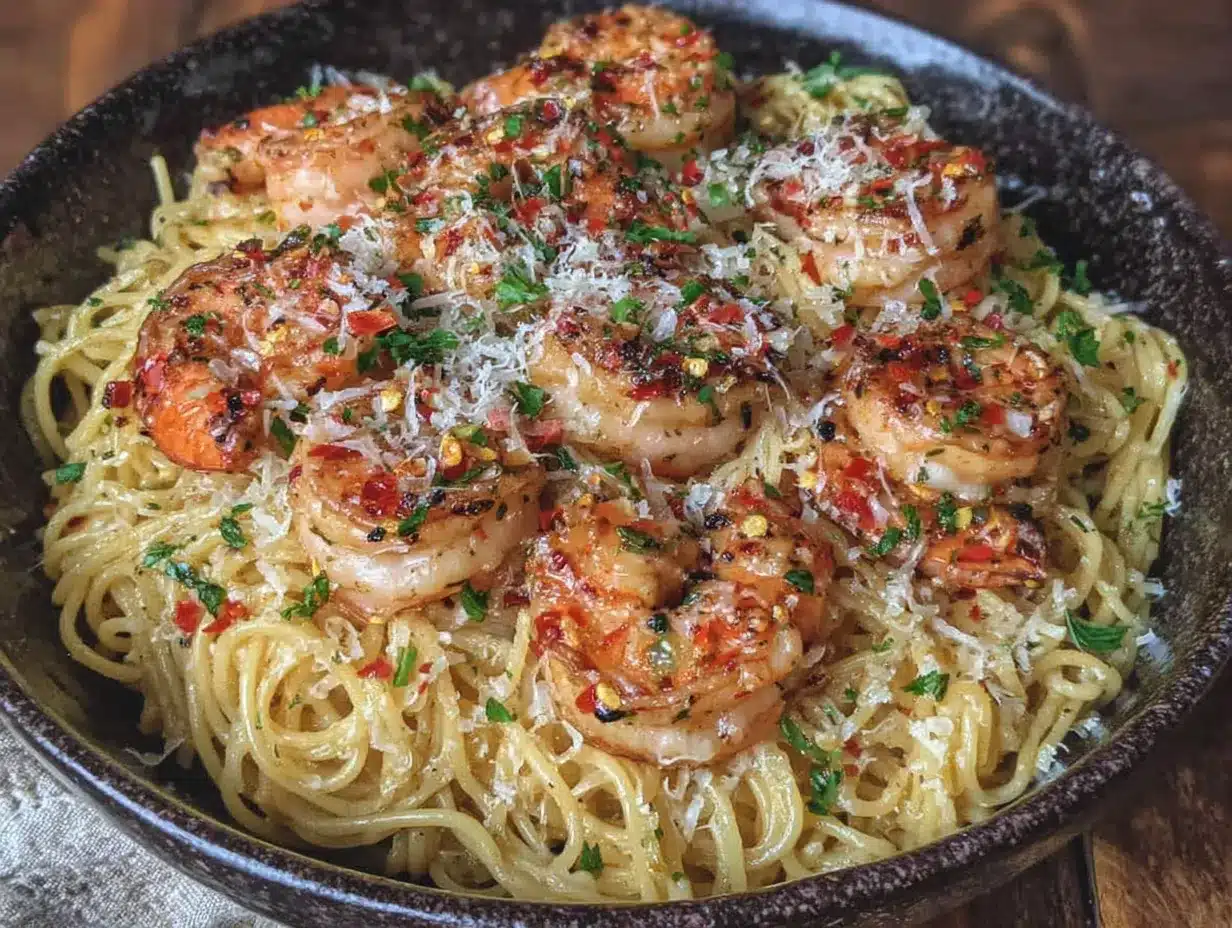
- 1 lb (450 g) large shrimp – Peeled and deveined, tails on or off (I remove tails for easier eating at parties). Look for wild-caught if possible—it has better flavor and texture than farmed.
- 4 tablespoons (56 g) unsalted butter – Divided. Use good quality butter here—it’s the star of the sauce.
- 6 cloves garlic – Minced. Fresh is non-negotiable here. Pre-minced jarred garlic won’t give you the same punch.
- 2 tablespoons olive oil – Extra virgin for flavor, but regular works too.
- ½ teaspoon red pepper flakes – Optional, but I love the subtle heat. Adjust based on your crowd’s tolerance.
- Salt and black pepper – To taste.
For the Sauce & Finish
- ¼ cup (60 ml) dry white wine – Or chicken broth if you don’t cook with wine. The alcohol cooks off, leaving behind acidity that balances the butter.
- ¼ cup (60 ml) reserved pasta water – This is liquid gold. The starch helps emulsify the sauce.
- 2 tablespoons fresh lemon juice – About half a lemon. Fresh is important—bottled lemon juice tastes flat.
- ¼ cup (15 g) fresh parsley – Chopped. Adds freshness and color.
- Freshly grated Parmesan cheese – For serving. Not the stuff in the green can, please. A good Parmigiano-Reggiano makes a difference.
Ingredient Tips
For the shrimp, look for ones that are firm and have a slight sheen. Avoid any that smell overly fishy or have black spots. If you’re using frozen shrimp (which is totally fine), thaw them overnight in the fridge or run them under cold water for 10 minutes. Pat them completely dry before cooking—wet shrimp won’t brown properly.
For the garlic, I recommend using a microplane or garlic press rather than chopping. This releases more of the oils and gives you a more intense garlic flavor without biting into chunks. Trust me on this one.
If you’re serving a crowd that includes someone who doesn’t eat seafood, you can easily swap the shrimp for chicken breast cut into bite-sized pieces. Just cook it a few minutes longer until golden and cooked through.
Equipment Needed
You don’t need a professional kitchen to pull this off. Here’s what you’ll need:
- Large pot – For boiling pasta. At least 5-6 quarts capacity.
- Large skillet or sauté pan – 12-inch is ideal. A wide surface area means the shrimp cook evenly without steaming.
- Colander – For draining pasta. Reserve that pasta water before you dump it!
- Microplane or garlic press – Not essential, but makes mincing garlic effortless. A knife works fine too.
- Tongs – For tossing pasta with the sauce. Much easier than a spoon.
- Measuring spoons and cups – For accuracy, especially with the wine and lemon juice.
- Cutting board and chef’s knife – For parsley and garlic.
I’ve made this recipe with a cheap non-stick skillet and a cast iron pan, and honestly, both work great. If you’re using non-stick, just be careful not to scratch it with metal tongs. Cast iron gives you better browning on the shrimp, but it’s not worth buying one just for this dish. Use what you have.
Preparation Method
This comes together fast, so I recommend having everything prepped before you start cooking. Read through the steps once, then go. Here’s how to make the best garlic butter shrimp pasta of your life:
- Bring a large pot of salted water to a boil. Use about 1 tablespoon of salt per 4 quarts of water. It should taste like the sea. Add your pasta and cook according to package directions until al dente (usually 8-10 minutes). Before draining, reserve 1 cup of pasta water. Set it aside.
- While the pasta cooks, pat the shrimp dry with paper towels. This is crucial—wet shrimp won’t get that beautiful golden sear. Season them lightly with salt and pepper on both sides.
- Heat 2 tablespoons of butter and 2 tablespoons of olive oil in a large skillet over medium-high heat. Once the butter stops foaming and starts to brown slightly (about 2 minutes), add the shrimp in a single layer. Don’t crowd the pan—work in batches if needed. Cook for 1-2 minutes per side until pink and curled. The shrimp should have a slight golden crust. Transfer them to a plate and set aside.
- Reduce heat to medium and add the remaining 2 tablespoons of butter. Add the minced garlic and red pepper flakes. Stir constantly for about 30 seconds until fragrant. Don’t let the garlic burn—it turns bitter fast. If it starts browning too quickly, add a splash of the reserved pasta water to cool it down.
- Pour in the white wine (or broth) and lemon juice. Use a wooden spoon to scrape up any browned bits from the bottom of the pan—that’s pure flavor. Let it simmer for 1-2 minutes until reduced by half.
- Add ¼ cup of the reserved pasta water to the skillet. Stir to combine. The starch in the water will help thicken the sauce and make it silky. Taste and adjust salt and pepper.
- Add the drained pasta directly to the skillet. Use tongs to toss everything together, coating every strand with the garlic butter sauce. If the sauce seems too thick, add more pasta water a tablespoon at a time until it reaches the consistency you like—it should coat the pasta without pooling at the bottom.
- Return the cooked shrimp to the skillet. Toss gently to warm through, about 30 seconds. Be careful not to overcook the shrimp—they’re already cooked, so you just need to reheat them.
- Remove from heat and stir in the fresh parsley. Save a little for garnish. Serve immediately with freshly grated Parmesan on top.
One thing I learned the hard way: don’t rinse the pasta after draining. That starch is what helps the sauce stick. I made that mistake my first time and ended up with sad, slippery noodles swimming in butter. Never again.
Cooking Tips & Techniques
After making this dish more times than I can count (and definitely more times than I’d like to admit), I’ve picked up a few tricks that make a real difference:
Don’t overcook the shrimp. This is the number one mistake people make. Shrimp cook incredibly fast—like, 2-3 minutes total fast. The moment they turn pink and curl into a loose C-shape, they’re done. If they curl into a tight O, you’ve gone too far and they’ll be rubbery. I actually pull them off the heat a few seconds early because they’ll continue cooking in the residual heat.
Use cold butter for the sauce. If you’re feeling fancy, cut the butter into small cubes and keep it in the fridge until you’re ready. Adding cold butter to the hot pan creates a better emulsion, giving you a creamier sauce without any cream. I learned this from an Italian chef friend, and it’s a game-changer.
Taste your pasta water. It should be noticeably salty—like ocean water. If it doesn’t taste salty enough, add more salt. This is your only chance to season the pasta from the inside out. Underseasoned pasta water is the reason some restaurant pasta tastes bland no matter how good the sauce is.
Time your pasta perfectly. Start the shrimp and sauce when the pasta has about 3 minutes left to cook. That way, everything finishes at the same time and you’re not waiting around with cold shrimp or overcooked noodles. Multitasking is your friend here.
Reserve more pasta water than you think you need. I always save a full cup even though I only use about ¼ cup. Sometimes the sauce needs more liquid, and having that starchy water on hand saves you from using plain water that would thin everything out.
Variations & Adaptations
This recipe is incredibly flexible. Here are some ways to make it your own:
Spicy Cajun Version: Swap the red pepper flakes for 1 teaspoon of Cajun seasoning. Add it to the butter along with the garlic. The smoky, spicy flavor pairs beautifully with the shrimp and gives the dish a Louisiana-inspired kick. I tried this after a trip to New Orleans, and it’s become my second-favorite version.
Lighter Lemon Herb Version: Reduce the butter to 2 tablespoons and add an extra 2 tablespoons of olive oil. Increase the lemon juice to 3 tablespoons and toss in some fresh basil and dill along with the parsley. This version is brighter and fresher, perfect for summer gatherings or when you want something less indulgent.
Vegetable-Packed Version: Add 2 cups of halved cherry tomatoes and 2 cups of fresh spinach. Cook the tomatoes in the butter for 2 minutes before adding the garlic, then wilt the spinach at the end before tossing with the pasta. This adds color, nutrients, and makes the dish more substantial for hungry guests.
Gluten-Free Adaptation: Use your favorite gluten-free pasta. I’ve had great results with chickpea or lentil pasta—they hold up well and add extra protein. Just be careful not to overcook them, as gluten-free pasta tends to get mushy faster. Reserve extra pasta water because gluten-free pasta absorbs more liquid.
Dairy-Free Version: Replace the butter with a high-quality vegan butter or use all olive oil. Omit the Parmesan or use a dairy-free alternative. The sauce won’t be quite as rich, but the garlic and lemon still shine through beautifully.
Serving & Storage Suggestions
This dish is best served immediately, right from the skillet to the table. The pasta should be hot, the shrimp tender, and the sauce coating every strand. Here’s how to make it shine:
For Presentation: Use tongs to twirl the pasta into neat nests on each plate. Place 4-5 shrimp on top or around the pasta. Sprinkle with fresh parsley and a generous shower of Parmesan. A lemon wedge on the side adds a pop of color and lets guests add extra brightness if they want. For dinner parties, I serve it in a large warmed bowl with extra Parmesan on the side—it looks rustic and inviting.
What to Serve Alongside: A simple green salad with lemon vinaigrette cuts through the richness of the butter sauce. Crusty bread is essential for sopping up every last drop of garlic butter. For wine, a crisp Sauvignon Blanc or Pinot Grigio complements the garlic and lemon perfectly. If you’re serving beer, go with a light lager or wheat beer.
Storage: Leftovers keep in an airtight container in the refrigerator for up to 2 days. The pasta will absorb some of the sauce, so it won’t be quite as silky the next day. To reheat, add a splash of water or chicken broth to a skillet over medium-low heat and toss the pasta until warmed through. Avoid the microwave—it makes the shrimp rubbery and the pasta mushy.
Freezing: I don’t recommend freezing this dish. The shrimp become tough and watery when thawed, and the sauce separates. If you must freeze, do so before adding the shrimp and parsley. Cook the pasta and sauce, freeze in a zip-top bag, then thaw overnight and add freshly cooked shrimp when reheating.
Nutritional Information & Benefits
Per serving (based on 4 servings):
- Calories: 520
- Protein: 32g
- Carbohydrates: 45g
- Fat: 22g
- Saturated Fat: 10g
- Cholesterol: 220mg
- Sodium: 680mg
- Fiber: 3g
- Sugar: 2g
Shrimp is an excellent source of lean protein, providing about 20g per 3-ounce serving with very little saturated fat. It’s also rich in selenium, vitamin B12, and omega-3 fatty acids, which support heart and brain health. The garlic in this recipe isn’t just for flavor—it contains allicin, a compound known for its anti-inflammatory and immune-boosting properties.
This dish is naturally low in carbohydrates if you use zucchini noodles or shirataki noodles instead of pasta. It’s also gluten-free if you choose gluten-free pasta. For a lower-fat option, reduce the butter to 2 tablespoons and use all olive oil. The main allergens to be aware of are shellfish (shrimp) and dairy (butter and Parmesan).
I personally love that this recipe feels indulgent but isn’t actually that heavy. It’s the kind of meal that satisfies a craving without leaving you feeling sluggish—perfect for when you’re hosting and want to enjoy the party, not nap through it.
Conclusion
This easy garlic butter shrimp pasta has become my secret weapon for hosting. It’s the dish I turn to when I want to impress without the stress, when I need something fast but refuse to compromise on flavor. The garlic butter sauce is rich and aromatic, the shrimp are tender and juicy, and the whole thing comes together in the time it takes to boil water. It’s proof that you don’t need complicated techniques or exotic ingredients to create something truly memorable.
I encourage you to make this recipe your own. Add more red pepper flakes if you like heat, throw in some cherry tomatoes if they’re in season, or swap the parsley for basil if that’s what you have. The beauty of this dish is its flexibility. It works for a quiet weeknight dinner just as beautifully as it does for a dinner party with friends.
If you try this recipe, I’d love to hear how it goes. Drop a comment below and let me know if you converted any shrimp skeptics at your table. And if you have your own twist on this dish, please share it—I’m always looking for new ideas. Until next time, happy cooking!
Frequently Asked Questions
Can I use frozen shrimp for this recipe?
Absolutely. Frozen shrimp works perfectly fine. Just thaw them completely before cooking—either overnight in the refrigerator or by running them under cold water for about 10 minutes. Pat them very dry with paper towels before seasoning and cooking. Wet shrimp won’t brown properly and will steam instead of sear.
What’s the best pasta shape for this dish?
Linguine is my top choice because the flat, wide strands catch the garlic butter sauce beautifully. Spaghetti, fettuccine, or even angel hair work well too. Short pasta like penne or fusilli also works, though the sauce-to-pasta ratio feels different. Use whatever you have on hand—this recipe is forgiving.
Can I make this dish ahead of time for a party?
I recommend making it fresh, but you can prep ahead. Cook the pasta, make the sauce, and cook the shrimp separately. Store them all in the refrigerator. When you’re ready to serve, reheat the sauce in a skillet, add the pasta and shrimp, and toss until warmed through. Add a splash of pasta water to loosen the sauce. It takes about 5 minutes and tastes almost as good as fresh.
How do I know when the shrimp are perfectly cooked?
Perfectly cooked shrimp turn pink and curl into a loose C-shape. They should feel firm to the touch but still have a slight give. If they curl into a tight O, they’re overcooked and will be rubbery. Cook them for just 1-2 minutes per side over medium-high heat, and pull them off the heat a few seconds early since they’ll continue cooking in the residual heat.
Can I make this recipe without wine?
Yes, absolutely. Replace the white wine with an equal amount of chicken or vegetable broth. Add an extra squeeze of lemon juice at the end to compensate for the acidity that the wine would have provided. The dish will still be delicious—just slightly less complex. I’ve made it this way many times when I didn’t have an open bottle of wine on hand.
Pin This Recipe!
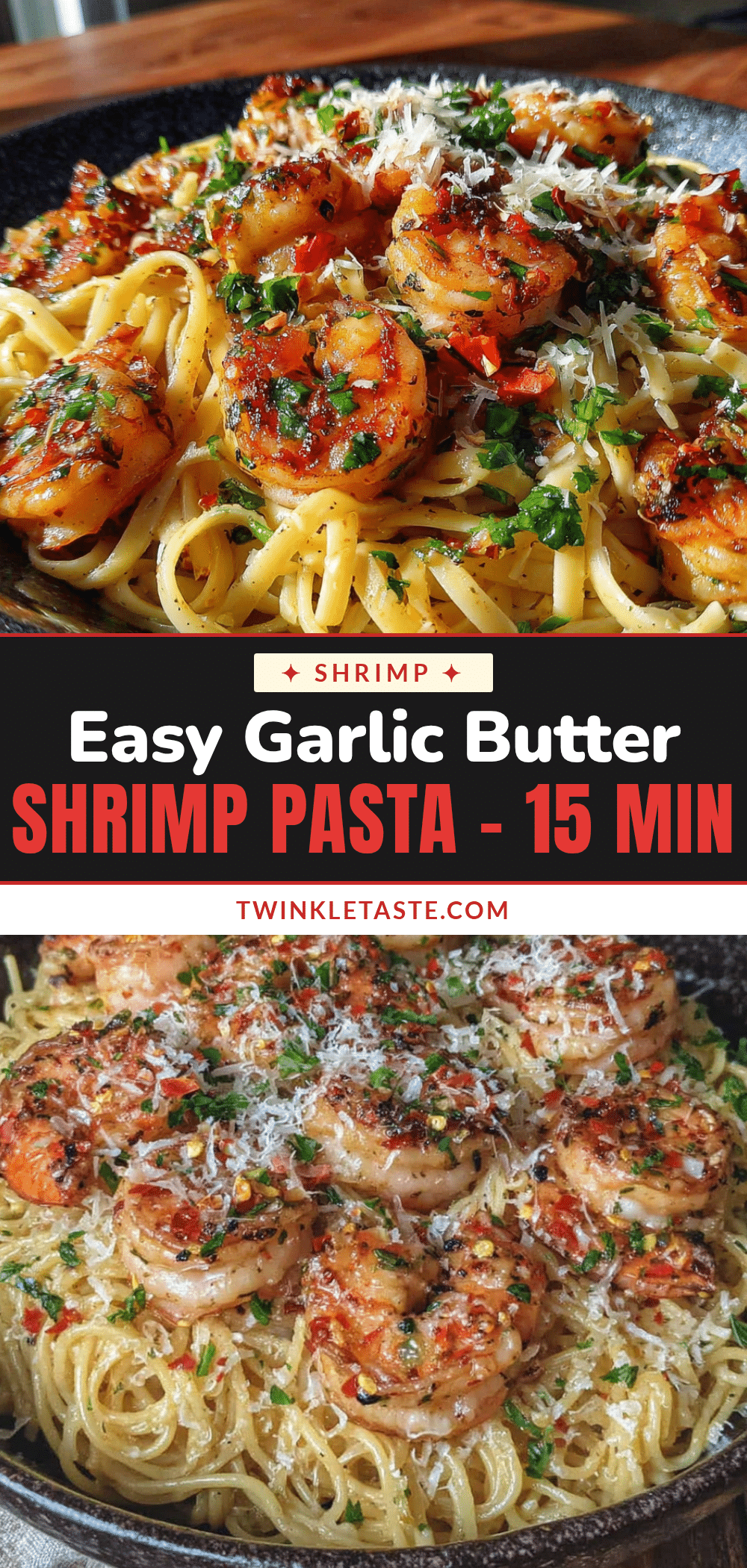
Easy Garlic Butter Shrimp Pasta: Best 15-Minute Dinner
This easy garlic butter shrimp pasta comes together in just 15 minutes with simple pantry ingredients. The garlic butter sauce coats every strand of pasta perfectly, and the shrimp stay tender and juicy—no rubbery shrimp here! Perfect for weeknight dinners or last-minute entertaining.
- Prep Time: 5 minutes
- Cook Time: 10 minutes
- Total Time: 15 minutes
- Yield: 4 servings 1x
- Category: Main Course
- Cuisine: Italian-American
Ingredients
- 12 oz (340 g) linguine or spaghetti
- Salt (for pasta water)
- 1 lb (450 g) large shrimp, peeled and deveined
- 4 tablespoons (56 g) unsalted butter, divided
- 6 cloves garlic, minced
- 2 tablespoons olive oil
- ½ teaspoon red pepper flakes (optional)
- Salt and black pepper to taste
- ¼ cup (60 ml) dry white wine or chicken broth
- ¼ cup (60 ml) reserved pasta water
- 2 tablespoons fresh lemon juice
- ¼ cup (15 g) fresh parsley, chopped
- Freshly grated Parmesan cheese for serving
Instructions
- Bring a large pot of salted water to a boil. Add pasta and cook according to package directions until al dente. Before draining, reserve 1 cup of pasta water.
- While pasta cooks, pat shrimp dry with paper towels and season lightly with salt and pepper.
- Heat 2 tablespoons butter and 2 tablespoons olive oil in a large skillet over medium-high heat. Once the butter stops foaming, add shrimp in a single layer. Cook 1-2 minutes per side until pink and curled. Transfer to a plate.
- Reduce heat to medium and add remaining 2 tablespoons butter. Add minced garlic and red pepper flakes. Stir constantly for about 30 seconds until fragrant.
- Pour in white wine (or broth) and lemon juice. Scrape up browned bits from the pan. Let simmer 1-2 minutes until reduced by half.
- Add ¼ cup reserved pasta water to the skillet. Stir to combine. Taste and adjust salt and pepper.
- Add drained pasta directly to the skillet. Use tongs to toss, coating every strand with sauce. Add more pasta water if needed.
- Return cooked shrimp to the skillet. Toss gently to warm through, about 30 seconds.
- Remove from heat and stir in fresh parsley. Serve immediately with freshly grated Parmesan on top.
Notes
Don’t rinse the pasta after draining—the starch helps the sauce stick. For the best texture, cook shrimp just until pink and curled into a loose C-shape. Reserve more pasta water than you think you need; it’s liquid gold for adjusting sauce consistency. If using frozen shrimp, thaw completely and pat very dry before cooking.
Nutrition
- Serving Size: 1 serving (about 1/4
- Calories: 520
- Sugar: 2
- Sodium: 680
- Fat: 22
- Saturated Fat: 10
- Carbohydrates: 45
- Fiber: 3
- Protein: 32
Keywords: garlic butter shrimp pasta, easy shrimp pasta, 15 minute dinner, shrimp pasta recipe, garlic shrimp pasta, weeknight dinner, quick pasta