I was standing in line at the DMV, of all places, trying to renew my license on a rainy Tuesday afternoon. The woman behind me—a tiny, silver-haired lady clutching a folder of paperwork—started talking about her Christmas menu. She wasn’t just listing dishes; she was describing them with a kind of reverence, like she was reciting poetry. And when she got to the prime rib, she paused, leaned in, and said, “The real star isn’t the meat, honey. It’s the sauce. You need a horseradish cream sauce that bites back but then kisses you on the cheek.” I laughed, thinking it was a cute line. But then she pulled a crumpled index card from her purse and handed it to me. “My mother’s recipe. She got it from a German baker in Chicago in 1947.” I wasn’t expecting cooking advice from a stranger in the DMV, but there I was, holding a piece of culinary history while my number was called. I stuffed it in my pocket and forgot about it until a week later, when I was planning a dinner party. I found the card, read the handwritten notes, and decided to give it a shot. Honestly, that sauce changed how I think about prime rib. It’s not just a condiment—it’s the thing that makes everyone at the table close their eyes and go quiet for a second. I’ve made it for every holiday dinner since, and it never fails. Maybe you’ve been there, struggling to find that perfect balance of heat and creaminess. Let me tell you, this is the one.
Why You’ll Love This Recipe
I’ve tested this sauce more times than I can count—tweaking the ratio of horseradish to cream, swapping in different vinegars, even trying it with Greek yogurt (don’t do it). This version is the result of all those trials, and it’s the one I keep coming back to. It has that professional touch without being fussy, and it’s the kind of recipe that makes you look like you spent hours in the kitchen when it really only takes ten minutes.
- Quick & Easy: Comes together in under 10 minutes. No cooking required. Just mix and chill.
- Simple Ingredients: You likely already have most of these in your fridge and pantry. No special grocery runs needed.
- Perfect for Hosting: This is the sauce that makes prime rib feel like a five-star restaurant experience. Your guests will ask for the recipe every time.
- Crowd-Pleaser: It has that perfect balance of heat and cool creaminess. Even people who think they don’t like horseradish end up asking for seconds.
- Unbelievably Delicious: The texture is silky, the flavor is sharp but rounded out by the cream, and it cuts through the richness of the beef like a dream.
What makes this different from other recipes is the technique of grating the horseradish fresh instead of using the jarred stuff. It gives you a cleaner, more vibrant heat that doesn’t fade as quickly. Plus, I add a tiny pinch of sugar—it sounds weird, but it balances the acidity and brings out the natural sweetness of the cream. This isn’t just another version of horseradish sauce; it’s the best version. It’s the one that makes you close your eyes after the first bite and forget you’re hosting a dinner party for ten people.
What Ingredients You Will Need
This recipe uses simple, wholesome ingredients to deliver that bold, nose-clearing kick without any of the processed stuff. It’s all about letting the fresh horseradish shine.
- Fresh horseradish root (4 ounces): Look for a root that’s firm and not soft or shriveled. The skin should be brown and the flesh should be white. I prefer buying it from a farmer’s market or a store with high turnover. The fresher it is, the hotter it will be.
- Heavy cream (1 cup): This is the base that balances the heat. Use heavy cream, not half-and-half or milk—it needs the fat content to stay thick and luscious. I recommend Organic Valley or Horizon for consistent results.
- Sour cream (1/2 cup): Adds tang and extra creaminess. Full-fat is best here. If you’re dairy-sensitive, you can use a good quality plant-based sour cream, but the texture will be slightly thinner.
- White wine vinegar (2 tablespoons): This brightens the sauce without overpowering it. Apple cider vinegar works in a pinch, but it will change the flavor slightly. Champagne vinegar is also lovely if you have it.
- Dijon mustard (1 tablespoon): Adds a subtle sharpness and helps emulsify the sauce. I use Grey Poupon—it’s reliable and not too strong.
- Salt (1/2 teaspoon): Fine sea salt is best. It dissolves quickly and seasons evenly. Kosher salt works too, but you might need a little more.
- White pepper (1/4 teaspoon): This gives you that peppery kick without the black specks that would ruin the creamy white color. If you don’t have it, black pepper is fine—just grind it finely.
- Sugar (a pinch): Just a tiny bit. Don’t skip it. It rounds out the acidity and makes the whole thing taste more balanced.
- Fresh chives (1 tablespoon, finely chopped): Optional, but I love the pop of green and the mild onion flavor. They make the sauce look pretty on the table.
A note on sourcing: If you can’t find fresh horseradish root, you can use jarred horseradish that’s been drained and patted dry. But honestly, fresh is a game-changer. The jarred stuff has a cooked, muted heat. Fresh horseradish has a brightness that feels alive. It’s worth the extra effort to find it.
Equipment Needed
You don’t need much for this recipe, which is part of the beauty. Here’s what I use:
- Microplane or fine grater: This is the best tool for grating fresh horseradish. It gives you a fine, fluffy texture that blends seamlessly into the cream. A box grater works, but the pieces will be larger and more fibrous. I’ve also used a food processor with the grating disc in a pinch, but it’s harder to clean.
- Mixing bowl: A medium-sized bowl is perfect. I use a stainless steel one because it stays cool, which helps keep the cream from warming up.
- Whisk: A balloon whisk works best for incorporating air into the cream and getting that light, fluffy texture. A fork works in a pinch, but it takes longer.
- Rubber spatula: For scraping every last bit of sauce out of the bowl. Because you won’t want to waste a drop.
- Glass jar or airtight container: For storing the sauce in the fridge. I use a mason jar with a tight-fitting lid.
- Cutting board and sharp knife: For peeling the horseradish root. A vegetable peeler works too, but a knife gives you more control.
One tip: Wear gloves when you’re grating the horseradish. The fumes are no joke—they’ll make your eyes water and your nose burn. I learned this the hard way. Now I keep a pair of disposable gloves in my kitchen drawer just for this.
Preparation Method
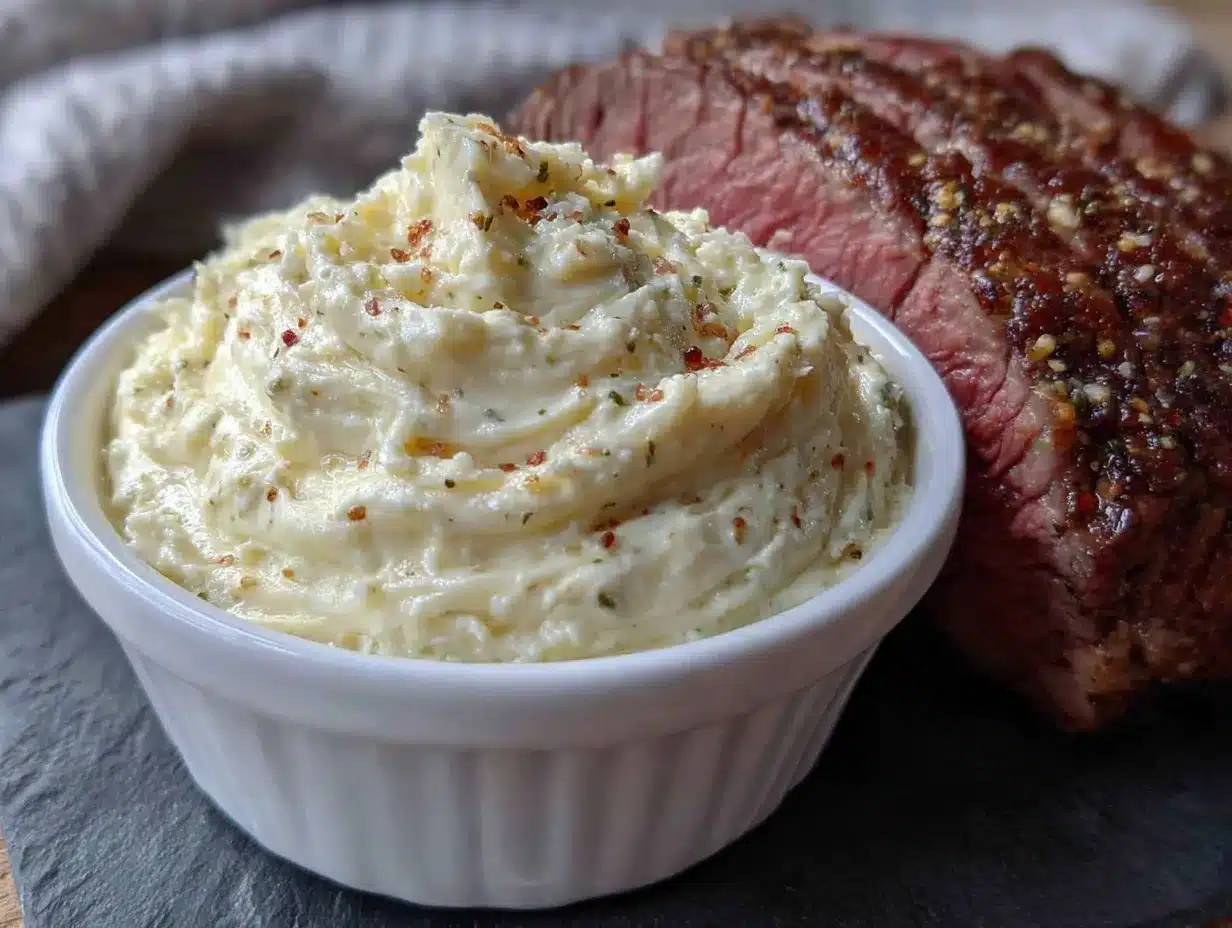
- Prep the horseradish root (5 minutes): Peel the brown skin off the horseradish root using a sharp knife or vegetable peeler. You want to get down to the white flesh. Cut the root into 2-inch pieces—this makes grating easier. If the root is old or has soft spots, trim those off. They’ll taste bitter.
- Grate the horseradish (3 minutes): Using a Microplane or fine grater, grate the horseradish into a small bowl. You’ll end up with about 1/4 cup of grated root. The fumes will hit you right away—that’s normal. Work quickly and try not to breathe in too deeply. Set the grated horseradish aside.
- Whip the cream (3 minutes): In a medium mixing bowl, pour the heavy cream. Whisk it vigorously for about 2 minutes until it thickens and forms soft peaks. You’re not making whipped cream—you just want it to be slightly thicker than pourable. If you over-whip it, don’t panic. Just stir in the sour cream gently and it will loosen up.
- Combine the base (2 minutes): Add the sour cream, white wine vinegar, Dijon mustard, salt, white pepper, and sugar to the whipped cream. Whisk everything together until smooth and well combined. Taste it at this point. It should be tangy, creamy, and slightly sharp from the vinegar.
- Add the horseradish (1 minute): Fold the grated horseradish into the cream mixture using a rubber spatula. Don’t overmix—you want some texture from the horseradish. Stir just until it’s evenly distributed. The sauce will look pale and creamy with little flecks of horseradish.
- Chill the sauce (at least 30 minutes): Transfer the sauce to a glass jar or airtight container and refrigerate for at least 30 minutes. This resting time allows the flavors to meld together. The horseradish will mellow slightly, and the cream will absorb some of the heat. If you’re in a rush, 15 minutes works, but it won’t be as flavorful.
- Garnish and serve (2 minutes): Just before serving, sprinkle the chopped chives on top for a pop of color. Give the sauce a quick stir to recombine anything that might have separated. Serve it cold or at room temperature alongside your prime rib.
A note on timing: I always make this sauce at least an hour before my guests arrive. It’s one less thing to worry about when the prime rib is resting and everyone’s hovering in the kitchen. Plus, the flavors are better the next day—if you have any left over. I’ve been known to make it two days ahead for Christmas dinner, and it’s always perfect.
Cooking Tips & Techniques
Here’s where I share the things I wish someone had told me the first time I made this. First, don’t skip the step of whipping the cream. I know it’s tempting to just stir everything together, but the air you incorporate makes the sauce light and luxurious instead of heavy. It’s the difference between a sauce that coats the meat beautifully and one that just sits on top.
Second, be careful with the horseradish. Fresh horseradish varies wildly in heat depending on the season and how old it is. A root from early spring will be milder than one harvested in the fall. Start with the amount I’ve suggested, taste it, and add more if you want a stronger kick. You can always add heat, but you can’t take it away. I’ve made the mistake of adding too much and ended up with a sauce that made everyone’s eyes water. Not ideal for a dinner party.
Third, let the sauce rest. I know you’re excited, but the flavors need time to get to know each other. The vinegar and mustard need to mellow, and the horseradish needs to release its oils into the cream. Thirty minutes is the minimum. Overnight is better. I once made this sauce at 4 PM for a 7 PM dinner, and it was good. But the leftovers the next day were incredible—the heat had settled into this warm, rounded hum instead of a sharp spike.
One more thing: if you’re making this for a crowd, double the recipe. It disappears fast. I learned this at a New Year’s Eve dinner when I made a single batch for eight people and ran out before everyone had a second helping. Now I always make a double batch. It keeps in the fridge for up to a week, and it’s great on sandwiches, roast beef, or even as a dip for roasted potatoes.
Variations & Adaptations
This recipe is pretty forgiving, and I’ve played around with it quite a bit. Here are some variations I’ve tried and loved:
- Spicy Smoky Version: Add 1/2 teaspoon of smoked paprika and a dash of cayenne pepper to the cream mixture. This gives the sauce a subtle smokiness that pairs beautifully with grilled prime rib or smoked meats. I made this for a summer barbecue and it was a hit.
- Lighter Version: Swap the heavy cream for half-and-half and reduce the sour cream to 1/4 cup. The sauce will be thinner and less rich, but it still has that horseradish kick. Use this if you’re watching calories or serving it alongside lighter dishes.
- Herb-Infused Version: Add 1 tablespoon of chopped fresh dill and 1 teaspoon of lemon zest along with the chives. The dill and lemon brighten the sauce and make it feel more spring-like. This is my go-to for Easter dinner.
- Vegan Version: Use full-fat coconut cream (the kind from a can, refrigerated overnight) instead of heavy cream, and a plant-based sour cream. The coconut flavor is subtle and actually works well with the horseradish. Just make sure to whip the coconut cream until it’s light and fluffy.
- Extra Tangy Version: Increase the white wine vinegar to 3 tablespoons and add 1 tablespoon of fresh lemon juice. This makes the sauce brighter and more acidic, which is great if you’re serving it with a rich, fatty cut of meat.
I’ve also tried this with prepared horseradish in a pinch, and it works—but it’s not the same. The prepared stuff has a cooked, almost metallic taste that doesn’t have the same freshness. If you’re in a bind, drain the prepared horseradish well and pat it dry before adding it. And start with less, because the jarred stuff can be surprisingly potent.
Serving & Storage Suggestions
This sauce is best served cold or at room temperature. I like to put it in a small ceramic bowl and set it on the table next to the prime rib, with a small spoon for serving. It looks beautiful with the green chives on top and the creamy white sauce. If you’re feeling fancy, serve it in a hollowed-out radish or a small cabbage leaf for a fun presentation.
As for what to serve alongside, this sauce is made for prime rib—but it’s also amazing on roast beef sandwiches, grilled steak, roasted vegetables, or even as a dip for crispy potato wedges. I’ve used it as a spread on a roast beef and arugula sandwich, and it was incredible. The heat cuts through the richness of the meat perfectly.
For storage, transfer the sauce to an airtight container and refrigerate. It will keep for up to 7 days, but the horseradish will lose some of its punch after about 3 days. The flavor will mellow and become more rounded, which some people actually prefer. I don’t recommend freezing this sauce—the cream will separate and become grainy when thawed.
To reheat, don’t. This sauce is meant to be served cold. If it’s been sitting out for a while and has warmed up, just give it a stir and pop it back in the fridge for 10 minutes. The flavors actually improve over time, so the second day is often better than the first. I’ve made this sauce for a Sunday dinner and used the leftovers on Monday for roast beef sandwiches—it was even better the second day.
Nutritional Information & Benefits
Per 2-tablespoon serving (approximate): Calories: 85, Fat: 8g, Carbohydrates: 2g, Protein: 1g, Sodium: 95mg. This is a rich sauce, so a little goes a long way. It’s not something you’d eat by the bowlful—it’s a condiment meant to add a punch of flavor.
Horseradish itself is surprisingly healthy. It’s a member of the Brassicaceae family, which includes broccoli and cabbage, and it’s packed with antioxidants. It also has antibacterial properties and can help clear your sinuses—which is why it’s so good at cutting through the richness of prime rib. The cream and sour cream add calcium and vitamin A, but they also add fat and calories. If you’re watching your intake, the lighter version I mentioned earlier is a good alternative.
This sauce is naturally gluten-free and low-carb (less than 2g of carbs per serving). It’s also egg-free and nut-free. If you’re serving it to someone with dairy allergies, the vegan version with coconut cream works beautifully. Just be aware that the coconut flavor will be noticeable.
Conclusion
This horseradish cream sauce has become my secret weapon for hosting dinner parties. It’s the kind of thing that makes people lean in and ask, “What’s in this?” It’s simple enough to make on a Tuesday night but impressive enough for a holiday feast. And honestly, it’s the sauce that makes the prime rib sing. Without it, the meat is just meat. With it, every bite is a moment.
I love this recipe because it’s a reminder that the best things often come from unexpected places—like a DMV line on a rainy day. It’s proof that you don’t need a fancy restaurant background to create something memorable. You just need a good recipe, fresh ingredients, and a willingness to try something new. So go ahead, make this sauce for your next dinner party. Your guests will thank you. And if you have any leftovers, try it on a roast beef sandwich the next day—you’ll thank yourself.
I’d love to hear how it turns out for you. Drop a comment below and let me know if you tried any of the variations, or if you came up with your own twist. And if you’re looking for more hosting inspiration, check out my garlic herb crusted prime rib recipe—it’s the perfect pairing for this sauce. Happy cooking!
Frequently Asked Questions
Can I use jarred horseradish instead of fresh?
Yes, you can. Drain the jarred horseradish well and pat it dry with a paper towel before adding it to the cream. Start with 2 tablespoons and taste it—jarred horseradish can be stronger or weaker depending on the brand.
How long does this sauce keep in the fridge?
It will keep for up to 7 days in an airtight container. The horseradish will lose some heat after 3 days, but the flavor will mellow and become more rounded. It’s still delicious.
Can I make this sauce ahead of time for a party?
Absolutely. I recommend making it at least 1 day ahead. The flavors meld together beautifully, and it’s one less thing to worry about on the day of your dinner. Just give it a stir before serving.
What if my sauce is too thin?
If the sauce is thinner than you’d like, you probably over-whipped the cream or added too much liquid. You can thicken it by whisking in an extra tablespoon of sour cream or by letting it chill longer in the fridge. The cold helps it firm up.
Can I freeze this sauce?
I don’t recommend freezing it. The cream will separate and become grainy when thawed. It’s best made fresh and stored in the fridge for up to a week. If you need to make it further ahead, freeze the grated horseradish separately and make the sauce fresh when you need it.
Pin This Recipe!
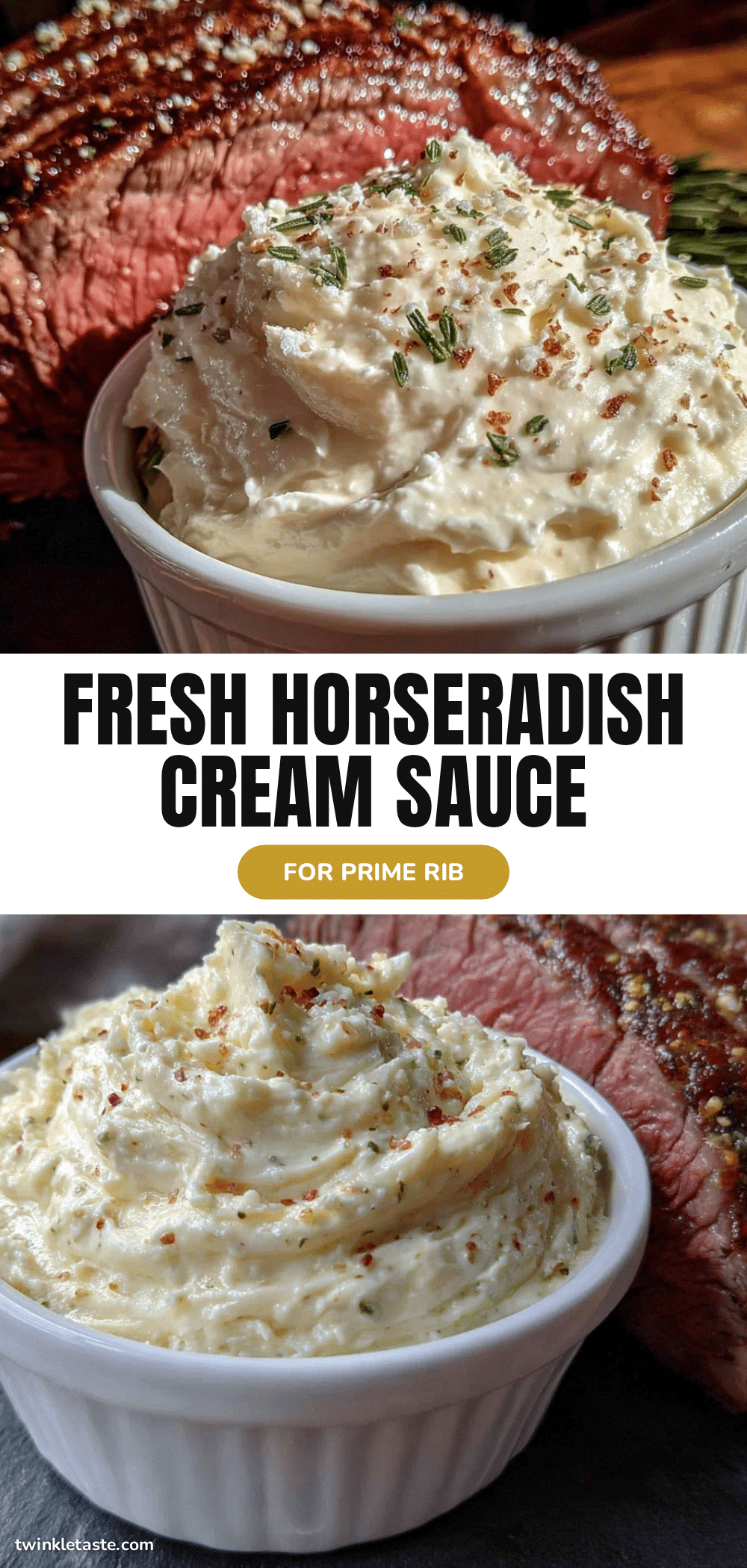
Best Fresh Horseradish Cream Sauce Recipe for Prime Rib
This creamy, tangy horseradish sauce is the perfect companion for prime rib, offering a bold, nose-clearing kick that balances the richness of the meat. Quick to make with fresh ingredients, it’s a crowd-pleaser that will have everyone asking for the recipe.
- Prep Time: 10 minutes
- Cook Time: 0 minutes
- Total Time: 40 minutes (includes 30 minutes chilling)
- Yield: 8 servings (about 1 cup) 1x
- Category: Condiment
- Cuisine: American
Ingredients
- 4 ounces fresh horseradish root
- 1 cup heavy cream
- 1/2 cup sour cream
- 2 tablespoons white wine vinegar
- 1 tablespoon Dijon mustard
- 1/2 teaspoon fine sea salt
- 1/4 teaspoon white pepper
- 1 pinch sugar
- 1 tablespoon fresh chives, finely chopped (optional)
Instructions
- Prep the horseradish root: Peel the brown skin off the horseradish root using a sharp knife or vegetable peeler. Cut the root into 2-inch pieces.
- Grate the horseradish: Using a Microplane or fine grater, grate the horseradish into a small bowl. You’ll end up with about 1/4 cup of grated root. Set aside.
- Whip the cream: In a medium mixing bowl, pour the heavy cream. Whisk vigorously for about 2 minutes until it thickens and forms soft peaks.
- Combine the base: Add the sour cream, white wine vinegar, Dijon mustard, salt, white pepper, and sugar to the whipped cream. Whisk until smooth and well combined.
- Add the horseradish: Fold the grated horseradish into the cream mixture using a rubber spatula. Stir just until evenly distributed.
- Chill the sauce: Transfer the sauce to a glass jar or airtight container and refrigerate for at least 30 minutes.
- Garnish and serve: Just before serving, sprinkle the chopped chives on top. Give the sauce a quick stir and serve cold or at room temperature alongside prime rib.
Notes
Wear gloves when grating fresh horseradish to avoid eye and nose irritation. The sauce can be made up to 2 days ahead for best flavor. If using jarred horseradish, drain and pat dry before adding; start with 2 tablespoons and adjust to taste.
Nutrition
- Serving Size: 2 tablespoons
- Calories: 85
- Sugar: 1
- Sodium: 95
- Fat: 8
- Saturated Fat: 5
- Carbohydrates: 2
- Protein: 1
Keywords: horseradish cream sauce, prime rib sauce, fresh horseradish, creamy horseradish sauce, holiday sauce, easy sauce recipe