Third time in seven days and I finally stopped adding goat cheese. That was the breakthrough, honestly—not another drizzle of honey, not a different apple variety, not even toasting the pecans longer. I just needed to let the salad be what it already was. A perfect fall harvest salad with maple vinaigrette doesn’t need seven competing flavors. It needs restraint, which is not exactly my strong suit in the kitchen.
I started making this salad because I had half a butternut squash sitting on my counter and a bottle of maple syrup that was dangerously close to its expiration date. (Side note: does maple syrup actually expire? I’ve never been brave enough to find out.) The first version was decent. The second was better. By the third, I stopped trying to improve it and just let the ingredients do what they do best in autumn—which is taste like autumn.
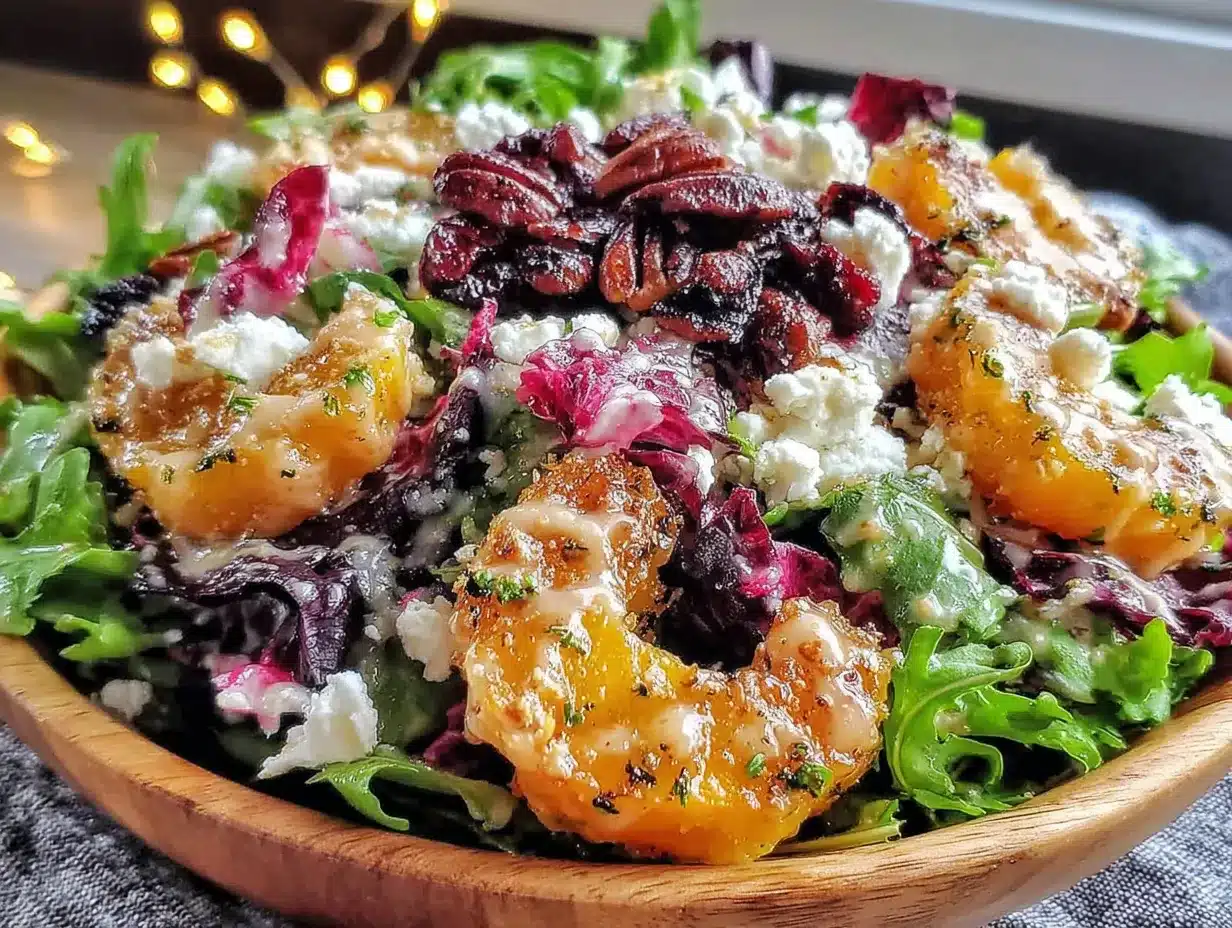
There’s something about the combination of roasted squash, crisp apples, dried cranberries, and that warm maple dressing that just clicks. It’s the kind of salad that makes you forget you’re eating vegetables. Not because it’s drowning in dressing, but because every bite has texture and sweetness and a little bit of tang from the apple cider vinegar. I’ve served it to people who claim they don’t like salads, and they went back for seconds. That’s not me being a good cook—that’s just fall ingredients being their best selves.
This particular version became my go-to because it travels well, keeps for a couple days in the fridge, and doesn’t get sad and soggy like most salads do. The roasted squash stays tender, the apples stay crisp if you toss them in a little lemon juice, and the dressing emulsifies perfectly with just a whisk and some patience. No blender required. No fancy ingredients. Just good fall food that actually works for real life.
Why You’ll Love This Recipe
I’ve tested this perfect fall harvest salad with maple vinaigrette at least eight times across different kitchens, and here’s what I’ve learned: it’s forgiving, flexible, and genuinely satisfying in a way most salads aren’t. My sister-in-law, who is a trained chef, tried it and immediately asked for the recipe. That’s when I knew it was ready to share.
- Quick & Easy : Comes together in about 30 minutes, most of which is hands-off roasting time. Perfect for busy weeknights when you want something healthy but don’t want to spend an hour in the kitchen.
- Simple Ingredients : No fancy grocery trips needed. You probably have maple syrup, apple cider vinegar, and Dijon mustard in your pantry right now. The rest is just good fall produce.
- Perfect for Entertaining : This salad looks impressive on a holiday table but is easy enough for a Tuesday dinner. It’s become my default dish for Thanksgiving potlucks and Friendsgiving gatherings.
- Crowd-Pleaser : I’ve watched self-proclaimed salad haters go back for thirds. The combination of sweet, savory, and tangy hits everyone’s taste buds the right way.
- Unbelievably Delicious : The texture contrast between creamy roasted squash, crunchy pecans, chewy cranberries, and crisp apples is next-level. And that maple vinaigrette? It’s the kind of dressing you’ll want to put on everything.
What makes this recipe different from all the other fall salads out there is the balance. The maple vinaigrette isn’t too sweet—it’s got that perfect tang from apple cider vinegar and a little kick from Dijon mustard that keeps things interesting. And I roast the squash with a pinch of cinnamon and cayenne, which adds warmth without making it spicy. It’s subtle, but you notice it’s missing when you try a version without it.
This isn’t just another salad recipe. It’s the one that makes you close your eyes after the first bite. It’s comfort food that happens to be healthy—faster than you’d expect, but with the same soul-soothing satisfaction as your favorite fall casserole.
What Ingredients You Will Need
This recipe uses simple, wholesome ingredients that come together to create something genuinely special. Most of these are pantry staples or easy to find at any grocery store, especially during fall.
For the Salad
- Butternut squash, peeled and cubed into ½-inch pieces (about 3 cups) — I prefer buying pre-cut cubes from the store to save time, but whole squash works fine too. Look for squash that feels heavy for its size.
- Mixed greens, about 5 ounces — I use a blend of baby spinach and arugula for a nice mix of mild and peppery flavors. Spring mix works great too.
- Honeycrisp apple, thinly sliced — these stay crisp and hold up well in the salad. Fuji or Gala work too, but avoid Red Delicious (they get mealy).
- Dried cranberries, ⅓ cup — look for unsweetened or reduced sugar varieties if you want to cut down on sweetness. Craisins work perfectly.
- Pecans, ½ cup — I use raw pecans and toast them myself for better flavor. Store-bought toasted pecans are fine if you’re short on time.
- Crumbled goat cheese, ¼ cup — this is optional, but it adds a creamy tang that balances the sweetness. Feta works as a substitute if you’re not a goat cheese fan.
- Pomegranate arils, ¼ cup — these little jewels add pops of sweetness and color. Fresh is best, but frozen arils work well too (just thaw them first).
For the Maple Vinaigrette
- Pure maple syrup, 3 tablespoons — please use real maple syrup, not pancake syrup. Grade A dark amber is my preference for its stronger maple flavor.
- Apple cider vinegar, 2 tablespoons — this provides the tangy backbone of the dressing. White wine vinegar works in a pinch, but apple cider vinegar really complements the fall flavors.
- Dijon mustard, 1 tablespoon — this helps emulsify the dressing and adds a subtle kick. I recommend Grey Poupon or Maille for best results.
- Extra virgin olive oil, ¼ cup — use a good quality oil here since it’s a key flavor component. Don’t use extra light olive oil; you want that fruity flavor.
- Shallot, 1 small, finely minced — this adds a mild onion flavor without being overpowering. Red onion works too, but soak it in cold water for 10 minutes first to mellow the bite.
- Salt and black pepper, to taste — I use kosher salt and freshly ground black pepper for the best flavor.
- Cinnamon, ¼ teaspoon — this is my secret ingredient. It adds warmth without screaming “I’m here!”
Equipment Needed
You don’t need a lot of fancy equipment for this perfect fall harvest salad with maple vinaigrette, which is part of why I love it. Here’s what you’ll need:
- Baking sheet — a rimmed baking sheet works best for roasting the squash. I use a half-sheet pan (18×13 inches) and line it with parchment paper for easy cleanup.
- Chef’s knife and cutting board — for cubing the squash and slicing the apple. A sharp knife makes a huge difference when dealing with hard winter squash.
- Large salad bowl — I prefer a wide wooden bowl because it looks nice and doesn’t slide around on the counter. Any large bowl works though.
- Small whisk — for making the vinaigrette. A fork works in a pinch, but a whisk makes emulsifying much easier.
- Measuring spoons and cups — for accurate measurements. I know some people eyeball everything, but salad dressings are more forgiving when you start with the right ratios.
- Mason jar with lid — this is my preferred method for making and storing the vinaigrette. Just shake everything together and you’re done. Plus, you can store leftovers right in the jar.
- Salad spinner — optional but helpful for drying your greens if you buy whole heads. Wet greens make for sad, watery salads.
If you don’t have a salad spinner, just lay your washed greens on a clean kitchen towel and pat them dry. It takes an extra minute but makes a noticeable difference in how well the dressing coats the leaves.
Preparation Method
Let me walk you through making this perfect fall harvest salad with maple vinaigrette step by step. I’ve included all the little tricks I learned through trial and error so you don’t have to make the same mistakes I did.
Step 1: Roast the Squash
Preheat your oven to 400°F (200°C). While it’s heating up, peel and cube your butternut squash into ½-inch pieces. Toss the cubes with 1 tablespoon of olive oil, ¼ teaspoon of salt, ¼ teaspoon of cinnamon, and a pinch of cayenne pepper. Spread them in a single layer on your lined baking sheet—don’t overcrowd them or they’ll steam instead of roast. Roast for 20-25 minutes, flipping halfway through, until the squash is tender and the edges are caramelized. Let them cool completely before adding to the salad. Warm squash will wilt your greens, and nobody wants that.
Step 2: Toast the Pecans
While the squash is roasting, toast your pecans. Place them in a dry skillet over medium heat and cook for 3-5 minutes, stirring frequently, until they’re fragrant and slightly darker. Watch them carefully—they go from perfectly toasted to burnt in about 30 seconds. Let them cool completely. I usually toast extra because I end up snacking on them while I assemble the salad.
Step 3: Make the Maple Vinaigrette
In a small bowl or mason jar, combine 3 tablespoons of maple syrup, 2 tablespoons of apple cider vinegar, 1 tablespoon of Dijon mustard, and the minced shallot. Add ¼ teaspoon of salt and a few cracks of black pepper. Whisk together, then slowly drizzle in ¼ cup of olive oil while whisking constantly. If you’re using a mason jar, just screw the lid on tight and shake vigorously for about 30 seconds. The dressing should look creamy and emulsified. Taste and adjust seasoning—you might want a little more salt or an extra splash of vinegar depending on your preference.
Step 4: Prep the Apples
Core your apple and slice it thinly—about ⅛-inch thick. Toss the slices with a squeeze of lemon juice to prevent browning. This step is optional but makes a big difference if you’re serving the salad later or taking it to a gathering. The lemon juice also adds a nice brightness that complements the dressing.
Step 5: Assemble the Salad
Place your mixed greens in a large bowl. Add the cooled roasted squash, sliced apples, dried cranberries, and toasted pecans. Drizzle about half the dressing over the top and toss gently with your hands or salad tongs. Add more dressing as needed—you want every leaf lightly coated, not drowning. Top with crumbled goat cheese and pomegranate arils. Serve immediately.
Step 6: Adjust and Serve
Give the salad a final taste before serving. Sometimes it needs a pinch more salt or an extra drizzle of dressing. I always serve extra dressing on the side because people have different preferences. This salad is best served right after assembling, but you can prep all the components ahead of time and toss everything together just before serving.
Cooking Tips & Techniques
After making this perfect fall harvest salad with maple vinaigrette more times than I care to count, I’ve collected a few tips that make a real difference:
Don’t dress the whole salad at once. This is the mistake I made the first two times. The greens get soggy, the apples lose their crunch, and you’re left with a sad, wilted mess. Instead, dress only what you’re going to eat immediately and keep the rest of the components separate in the fridge. Leftover undressed salad keeps for two days easily.
Let the squash cool completely. I know it’s tempting to toss everything together while the squash is still warm, but trust me on this one. Warm squash wilts the greens and makes the dressing separate. I usually roast the squash ahead of time and let it cool on the baking sheet while I prep everything else. If I’m really in a hurry, I spread it on a plate and pop it in the fridge for 10 minutes.
Toast your nuts fresh. Pre-toasted nuts from the store are fine, but toasting them yourself makes a noticeable difference. The flavor is deeper and more complex, and the texture is crunchier. Plus, it only takes a few minutes. Just keep an eye on them—I’ve ruined more than one batch by walking away to check my phone.
Make extra dressing. This maple vinaigrette is versatile and keeps well in the fridge for up to a week. I always double the recipe and use the leftovers on grain bowls, roasted vegetables, or as a marinade for chicken. It’s also delicious drizzled over roasted Brussels sprouts.
Season in layers. Don’t just rely on the dressing for flavor. Season the squash before roasting, add a pinch of salt to the apples, and season the greens lightly before adding the dressing. Each layer of seasoning builds on the last and creates a more complex final dish.
Variations & Adaptations
One of the best things about this perfect fall harvest salad with maple vinaigrette is how adaptable it is. Here are some variations I’ve tried and loved:
Make it vegan. Skip the goat cheese and add extra toasted pecans or some roasted chickpeas for crunch. The dressing is already vegan since it uses maple syrup instead of honey. I’ve also used vegan feta cheese, which works surprisingly well.
Swap the protein. This salad is amazing with grilled chicken, roasted turkey, or even leftover Thanksgiving turkey. I’ve also added crispy bacon bits for a salty crunch that balances the sweetness. For a vegetarian version, try adding roasted chickpeas or grilled halloumi cheese.
Change up the fruit. No pomegranate? No problem. Use fresh figs, sliced pears, or even diced mango if it’s in season. Dried cherries or golden raisins work well too. The key is to have something sweet and something tart for balance.
Try different greens. While I love the spinach-arugula mix, this salad works with any sturdy green. Kale is excellent—just massage it with a little olive oil and salt first to soften it. Romaine adds nice crunch, and mixed baby greens are always reliable.
Add grains. For a heartier meal, add cooked quinoa, farro, or wild rice. The grains soak up the extra dressing and make the salad filling enough to be a main dish. I usually add about a cup of cooked grains and adjust the dressing amount accordingly.
My personal favorite variation: I once made this with roasted delicata squash instead of butternut (you can eat the skin, which saves prep time), added crispy fried shallots on top, and used a honey-cider vinaigrette instead of maple. It was incredible. The fried shallots added a texture that I still think about months later.
Serving & Storage Suggestions
This perfect fall harvest salad with maple vinaigrette is best served immediately after assembling, but there are ways to make it work for meal prep and leftovers.
Serving temperature: Serve the salad at room temperature or slightly chilled. If you’re making it for a gathering, take the components out of the fridge about 15 minutes before assembling so they’re not ice cold. The flavors are more pronounced when everything is at a similar temperature.
Presentation tips: Arrange the salad on a large platter instead of tossing everything in a bowl for a more impressive look. Layer the greens first, then arrange the toppings in rows or sections. Drizzle the dressing over the top just before serving. This looks beautiful on a Thanksgiving table and lets guests see all the components.
What to serve with it: This salad pairs beautifully with roasted chicken, grilled salmon, or a warm bowl of butternut squash soup. It’s also perfect alongside a cheese board or as part of a holiday spread. For drinks, a crisp white wine like Sauvignon Blanc or a dry hard cider complements the fall flavors.
Storage instructions: Store undressed salad components separately in airtight containers in the fridge for up to 3 days. The roasted squash keeps well, and the apples will stay crisp if you toss them with lemon juice. The dressing keeps in a sealed jar in the fridge for up to a week—just shake it well before using because the olive oil will solidify slightly when cold.
Reheating tips: If you have leftover roasted squash, reheat it in a 350°F oven for 5-7 minutes or in an air fryer at 350°F for 3 minutes. Don’t microwave it—it gets mushy. The rest of the salad components should be served cold or at room temperature.
Flavor development: The dressing actually gets better after a day in the fridge as the flavors meld together. The squash loses some of its crisp edges but absorbs more flavor. I’ve eaten this salad two days after making it and still enjoyed it, though the apples do lose some crunch.
Nutritional Information & Benefits
This perfect fall harvest salad with maple vinaigrette is as nutritious as it is delicious. Here’s a rough breakdown per serving (based on 4 servings):
- Calories: Approximately 320-350 per serving
- Protein: 6-8 grams
- Fat: 18-22 grams (mostly healthy fats from olive oil and pecans)
- Carbohydrates: 35-40 grams
- Fiber: 7-9 grams
- Sugar: 18-22 grams (naturally occurring from maple syrup, apples, and cranberries)
Health benefits: Butternut squash is packed with vitamin A (great for eye health and immune function) and fiber. Pecans provide healthy monounsaturated fats and antioxidants. Pomegranate arils are loaded with vitamin C and anti-inflammatory compounds. The apple cider vinegar in the dressing may help with blood sugar regulation.
Dietary considerations: This recipe is naturally gluten-free and can easily be made vegan by omitting the goat cheese. It’s also vegetarian-friendly as written. If you’re watching your sugar intake, use unsweetened dried cranberries and reduce the maple syrup to 2 tablespoons.
Potential allergens: This recipe contains tree nuts (pecans) and dairy (goat cheese). For a nut-free version, substitute pumpkin seeds or sunflower seeds for the pecans. For a dairy-free version, simply omit the goat cheese or use a plant-based alternative.
Conclusion
This perfect fall harvest salad with maple vinaigrette has become my go-to recipe for everything from quiet weeknight dinners to holiday gatherings. It’s the kind of salad that proves eating your vegetables doesn’t have to be boring—it can be genuinely exciting, with layers of texture and flavor that keep you coming back for more.
What I love most about this recipe is how forgiving it is. You can swap ingredients based on what you have, adjust the dressing to your taste, and it still turns out delicious. It’s not a rigid formula—it’s a framework for enjoying the best produce fall has to offer.
I’d love to hear how this salad turns out for you. Did you try a variation I haven’t thought of? Did you serve it at a gathering and get asked for the recipe? Drop a comment below and let me know. And if you share it on social media, tag me—I love seeing your creations.
Go make this salad. Your taste buds will thank you, and honestly? Your body will too. Happy fall cooking, friends.
Frequently Asked Questions
Can I make this salad ahead of time for a party?
Absolutely, but keep the components separate until you’re ready to serve. Roast the squash, toast the pecans, make the dressing, and wash the greens up to two days ahead. Store everything in separate containers in the fridge. Slice the apples and assemble the salad just before serving to keep everything fresh and crisp.
What can I use instead of butternut squash?
Sweet potatoes, delicata squash, or pumpkin all work beautifully. If using delicata squash, you don’t need to peel it—just slice and roast. Acorn squash is another great option, though it can be a bit trickier to peel. Roasted carrots or parsnips also add a nice sweetness and work well with the maple vinaigrette.
How do I prevent the apples from turning brown?
Toss the sliced apples with a squeeze of fresh lemon juice or a little apple cider vinegar. The acid prevents oxidation and keeps the apples looking fresh for several hours. You can also use a commercial product like Fruit-Fresh, but lemon juice works perfectly and adds a nice flavor that complements the dressing.
Is the maple vinaigrette too sweet?
Not at all—it’s balanced by the apple cider vinegar and Dijon mustard. The mustard adds a subtle sharpness that keeps the dressing from being cloying. If you’re concerned about sweetness, start with 2 tablespoons of maple syrup and add more to taste. You can also add an extra splash of vinegar for more tang.
Can I use frozen butternut squash?
You can, but I don’t recommend it for this recipe. Frozen squash releases a lot of water as it thaws, which makes it steam instead of roast. You end up with mushy, watery squash instead of caramelized, tender cubes. If you’re short on time, look for pre-cut fresh squash in the produce section—most grocery stores carry it.
Pin This Recipe!
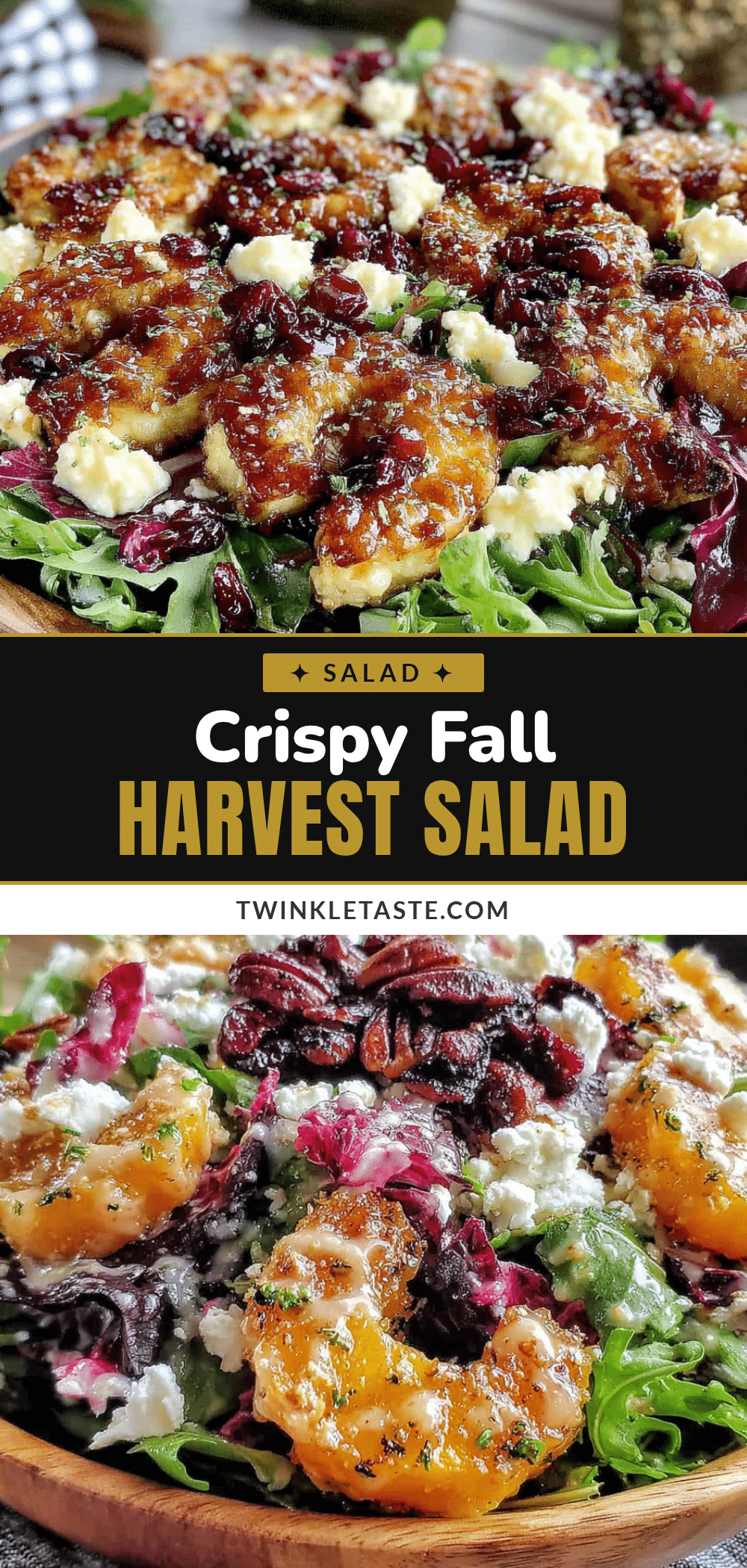
Perfect Fall Harvest Salad with Easy Maple Vinaigrette
A balanced fall salad featuring roasted butternut squash, crisp apples, dried cranberries, toasted pecans, and a tangy maple vinaigrette. It’s quick, crowd-pleasing, and perfect for weeknights or holiday gatherings.
- Prep Time: 15 minutes
- Cook Time: 25 minutes
- Total Time: 40 minutes
- Yield: 4 servings 1x
- Category: Salad
- Cuisine: American
Ingredients
- 3 cups butternut squash, peeled and cubed into ½-inch pieces
- 5 ounces mixed greens (baby spinach and arugula blend)
- 1 Honeycrisp apple, thinly sliced
- ⅓ cup dried cranberries
- ½ cup pecans, raw
- ¼ cup crumbled goat cheese (optional)
- ¼ cup pomegranate arils
- 3 tablespoons pure maple syrup
- 2 tablespoons apple cider vinegar
- 1 tablespoon Dijon mustard
- ¼ cup extra virgin olive oil
- 1 small shallot, finely minced
- Salt and black pepper to taste
- ¼ teaspoon cinnamon
- Pinch of cayenne pepper
- 1 tablespoon olive oil (for roasting squash)
- ¼ teaspoon salt (for roasting squash)
- Lemon juice (for apples, optional)
Instructions
- Preheat oven to 400°F (200°C). Peel and cube butternut squash into ½-inch pieces. Toss with 1 tablespoon olive oil, ¼ teaspoon salt, ¼ teaspoon cinnamon, and a pinch of cayenne. Spread in a single layer on a lined baking sheet. Roast for 20-25 minutes, flipping halfway, until tender and caramelized. Let cool completely.
- While squash roasts, toast pecans in a dry skillet over medium heat for 3-5 minutes, stirring frequently, until fragrant. Let cool completely.
- Make the maple vinaigrette: In a small bowl or mason jar, combine 3 tablespoons maple syrup, 2 tablespoons apple cider vinegar, 1 tablespoon Dijon mustard, minced shallot, ¼ teaspoon salt, and black pepper. Whisk together, then slowly drizzle in ¼ cup olive oil while whisking constantly (or shake in jar for 30 seconds). Taste and adjust seasoning.
- Core and thinly slice the apple (about ⅛-inch thick). Toss with a squeeze of lemon juice to prevent browning (optional).
- In a large bowl, combine mixed greens, cooled roasted squash, sliced apples, dried cranberries, and toasted pecans. Drizzle with about half the dressing and toss gently. Add more dressing as needed.
- Top with crumbled goat cheese and pomegranate arils. Serve immediately with extra dressing on the side.
Notes
Let squash cool completely before adding to salad to prevent wilting greens. Dress only what you’ll eat immediately; store components separately for leftovers. Toast nuts fresh for best flavor. Make extra dressing—it keeps up to a week in the fridge and works on grain bowls or roasted vegetables.
Nutrition
- Serving Size: 1 serving (about 2 c
- Calories: 335
- Sugar: 20
- Sodium: 320
- Fat: 20
- Saturated Fat: 3
- Carbohydrates: 38
- Fiber: 8
- Protein: 7
Keywords: fall harvest salad, maple vinaigrette, butternut squash salad, autumn salad, roasted squash salad, easy salad recipe, healthy fall salad