“You really can’t mess this up,” my friend said over the phone, laughing as I confessed my doubts about baking a pound cake from scratch. Honestly, I was skeptical. After all, pound cakes seemed like the kind of dessert that required flawless precision—one wrong move, and the whole thing could fall flat. But that night, with a bag of brown sugar and a carton of buttermilk sitting on my counter, I figured, why not give it a shot? What started as a low-key baking experiment turned into one of those rare kitchen wins where the aroma alone stopped me in my tracks.
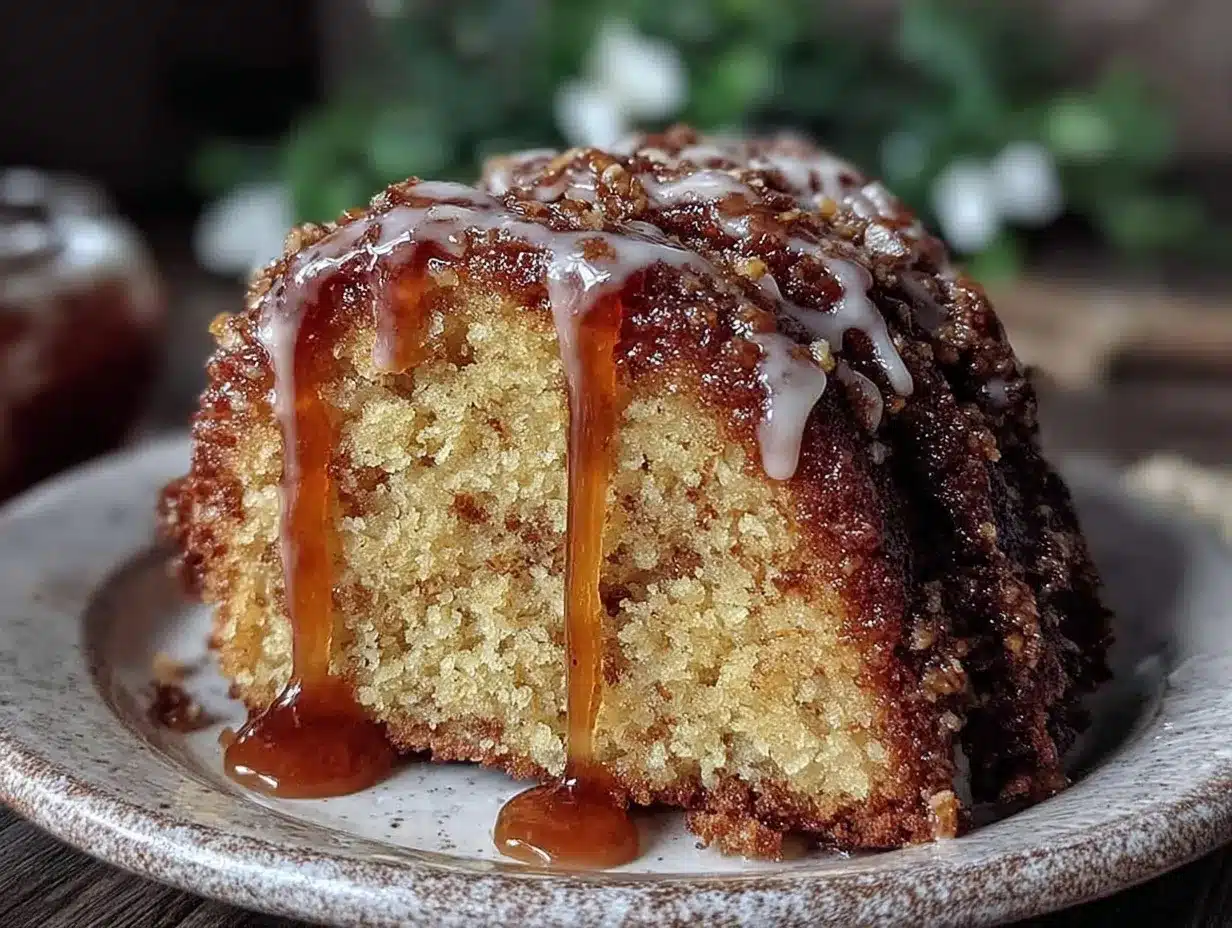
The warmth of brown sugar caramelizing with butter, the tender crumb that felt just right—not too dense, not dry—and that tangy buttermilk glaze drizzled on top, all combined to create something that quickly became a go-to in my house. It’s funny how a simple recipe like this can shift your whole outlook on homemade desserts. No need for fancy ingredients or complicated techniques. Just honest flavors and a little patience.
What really stuck with me was the quiet comfort this cake brought after long, hectic days—like the kind you’d find yourself craving after a tough week. That first slice felt like a soft, sweet hug. It’s the kind of recipe that makes you want to slow down, grab a cup of tea, and savor the moment. And even now, I keep coming back to this classic homemade brown sugar pound cake with its easy buttermilk glaze when I want something reliably delicious without the fuss. There’s no pretense here, just pure, simple satisfaction.
Why You’ll Love This Recipe
Having baked this classic homemade brown sugar pound cake multiple times, I can honestly say it’s one of those recipes that brings people together and never disappoints. Here’s why it’s become a staple in my kitchen:
- Quick & Easy: The batter comes together in about 15 minutes, and the baking time is under an hour, perfect when you want a sweet treat without spending half the day in the kitchen.
- Simple Ingredients: You probably have everything on hand—brown sugar, butter, eggs, flour, and buttermilk. No need for obscure pantry items or last-minute grocery runs.
- Perfect for Any Occasion: Whether it’s a weekend brunch, casual afternoon coffee, or a last-minute dessert for guests, this pound cake fits the bill effortlessly.
- Crowd-Pleaser: I’ve served this to family and friends, and it always gets rave reviews, especially from those who usually shy away from overly sweet desserts.
- Unbelievably Delicious: The brown sugar lends a deep, caramel-like flavor that’s richer than your typical pound cake, while the buttermilk glaze adds a subtle tang that balances the sweetness beautifully.
This recipe stands out because it uses brown sugar instead of white, giving the cake a moist, tender crumb and a warm, inviting taste. Plus, the buttermilk glaze isn’t just an afterthought—it’s a simple drizzle that brings the whole thing together with a silky finish. It’s not just another pound cake; it’s a recipe that feels homemade and heartfelt, the kind you’ll find yourself making again and again.
Honestly, after the first bite, you might find yourself closing your eyes, savoring that perfect balance of sweet and tangy. It’s comfort food in its purest form but with a fresh, approachable twist that anyone can master.
What Ingredients You Will Need
This classic homemade brown sugar pound cake uses straightforward, wholesome ingredients that come together to create a rich and tender texture. You won’t need fancy or hard-to-find items, making it a reliable choice any time you want to bake from scratch.
- Brown sugar: 2 cups (packed, light or dark brown sugar works; dark gives a deeper molasses flavor)
- Unsalted butter: 1 cup (2 sticks), softened to room temperature (I like using Land O’Lakes for consistent creaminess)
- Large eggs: 4, at room temperature (this helps with even mixing and structure)
- All-purpose flour: 2 ½ cups (sifted for lightness; King Arthur works beautifully here)
- Baking powder: 1 teaspoon (for a slight lift)
- Salt: ½ teaspoon (balances the sweetness)
- Buttermilk: ¾ cup (adds moisture and tang; if you don’t have buttermilk, mix ¾ cup milk with 1 tablespoon lemon juice and let sit 5 minutes)
- Vanilla extract: 2 teaspoons (preferably pure vanilla for depth of flavor)
For the Buttermilk Glaze:
- ½ cup powdered sugar (sifted to avoid lumps)
- 2 tablespoons buttermilk (adjust for desired glaze consistency)
- ½ teaspoon vanilla extract
Feel free to swap the all-purpose flour for a gluten-free blend if needed, or use a dairy-free milk plus lemon juice to keep this recipe dairy-free. The brown sugar is key here—it’s what gives this pound cake its signature caramel notes, so I don’t recommend substituting it with white sugar.
Equipment Needed
To make this classic homemade brown sugar pound cake, you’ll want to have a few essential kitchen tools ready:
- 9×5-inch loaf pan: This is the traditional size for pound cakes. If you don’t have one, a similar-sized bundt pan can work, but the baking time might need adjusting.
- Electric mixer (handheld or stand mixer): Creaming butter and sugar together is much easier with one, but you can also do it by hand with a sturdy wooden spoon if you prefer.
- Mixing bowls: For combining wet and dry ingredients separately.
- Measuring cups and spoons: Accuracy is important for baking success.
- Sifter or fine mesh sieve: To sift the flour and powdered sugar for a smoother texture.
- Cooling rack: Let your pound cake cool completely here before glazing.
Personally, I find a stand mixer helpful if I’m making this often, but a good hand mixer works just fine. For budget-friendly alternatives, silicone spatulas and non-stick loaf pans can make clean-up a breeze. Keeping your butter at the right temperature (soft but not melting) is easier with a little patience or by cutting it into smaller pieces before mixing.
Preparation Method
- Preheat your oven: Set it to 325°F (163°C). Grease your 9×5-inch loaf pan generously with butter and dust with flour, or use parchment paper for easy release. This step prevents sticking and helps the cake brown evenly.
- Cream butter and brown sugar: In a large bowl, use your mixer to beat 1 cup softened unsalted butter and 2 cups packed brown sugar together until fluffy and pale, about 4-5 minutes. You’ll notice the mixture lightening in color and becoming airy—that’s key for a tender crumb.
- Add eggs one at a time: Crack in 4 large eggs (room temperature) one by one, mixing well after each addition. This gradual process helps the batter emulsify and hold air.
- Mix dry ingredients: In a separate bowl, sift together 2 ½ cups all-purpose flour, 1 teaspoon baking powder, and ½ teaspoon salt. This ensures even distribution and avoids clumps.
- Combine wet and dry: Alternately add dry ingredients and ¾ cup buttermilk to the butter mixture, starting and ending with dry. Mix gently between additions on low speed to avoid overworking the batter. The batter should be smooth but thick.
- Stir in vanilla extract: Add 2 teaspoons vanilla extract and mix just until combined.
- Pour batter into pan: Scrape the batter into your prepared loaf pan and smooth the top with a spatula. The surface should be even to help the cake rise uniformly.
- Bake: Place in the oven and bake for 55-65 minutes. Start checking at 55 minutes by inserting a toothpick into the center—it should come out clean or with a few moist crumbs. Avoid opening the oven door too often, or the cake might sink.
- Cool: Let the cake cool in the pan for 15 minutes, then transfer it to a wire rack to cool completely before glazing. This prevents the glaze from melting into the cake and keeps the texture perfect.
- Make the buttermilk glaze: Whisk together ½ cup sifted powdered sugar, 2 tablespoons buttermilk, and ½ teaspoon vanilla extract in a small bowl. Adjust with more buttermilk if needed for a drizzle consistency.
- Glaze the cake: Drizzle the glaze evenly over the cooled pound cake using a spoon or small whisk. Let it set for at least 10 minutes before slicing.
Quick tip: If your pound cake starts browning too fast, tent it loosely with foil halfway through baking. Also, don’t rush cooling—glazing over a warm cake will turn the glaze runny.
Cooking Tips & Techniques
Making a classic homemade brown sugar pound cake is straightforward, but a few tricks can really make the difference between good and great:
- Butter temperature matters: Softened butter should feel like room temp—not melted or cold. Too cold, and it won’t cream properly; too warm, and it’ll separate.
- Beat sugar and butter well: This step traps air for a light texture. Take your time here (around 4-5 minutes on medium speed).
- Alternate flour and liquid carefully: Adding dry and wet ingredients alternately prevents the batter from curdling and keeps it smooth.
- Don’t overmix: Once you add flour, mix just until blended. Overmixing develops gluten and can make your cake dense.
- Check oven temperature: Ovens vary, so use an oven thermometer if possible. Too hot, and the cake may crust too quickly; too cool, and it won’t rise properly.
- Use quality ingredients: Real vanilla extract and fresh buttermilk make a noticeable difference in flavor depth.
- Patience with cooling: Letting the cake cool fully before glazing keeps that signature buttermilk drizzle intact and pretty.
I once tried rushing the cooling step and ended up with a glaze puddle disaster—lesson learned! Also, if you like a more pronounced caramel flavor, try using dark brown sugar instead of light. For inspiration on other baking adventures, you might appreciate the step-by-step guide I followed for fluffy cinnamon rolls with brown butter filling, which shares similar creaming techniques.
Variations & Adaptations
This classic homemade brown sugar pound cake recipe is a solid base that welcomes tweaks and adjustments:
- Gluten-Free Option: Substitute the all-purpose flour with a 1:1 gluten-free baking blend. The texture might be slightly different but still delicious.
- Flavor Twists: Add ½ teaspoon ground cinnamon or nutmeg for a cozy spice touch, or fold in ½ cup chopped toasted pecans for crunch.
- Dairy-Free Adaptation: Use coconut or almond milk mixed with lemon juice as a buttermilk substitute, and swap butter for a vegan margarine or coconut oil.
- Glaze Alternatives: Instead of buttermilk glaze, try a simple vanilla or caramel glaze for a richer finish.
- Seasonal Add-Ins: Fresh berries or chopped dried fruits can be gently folded into the batter before baking for bursts of brightness and texture.
Personally, I experimented once by adding a handful of finely chopped crystallized ginger, which gave the cake a surprising zing that paired wonderfully with the brown sugar’s warmth. For another comforting dessert idea that’s equally approachable, you might enjoy the moist one-bowl olive oil lemon almond cake, which also uses a simple glaze and a quick mixing method.
Serving & Storage Suggestions
This pound cake shines best when served at room temperature, letting the flavors fully bloom. Slice it thick for a hearty bite or thin if you’re pairing it with coffee or tea. It also makes a great base for a scoop of vanilla ice cream or a dollop of whipped cream on warmer days.
For storing, wrap the cake tightly in plastic wrap or place it in an airtight container. It keeps well at room temperature for 2-3 days, or you can refrigerate it for up to a week. If you want to keep it longer, wrap it well and freeze for up to 3 months—thaw overnight in the fridge before serving.
When reheating, a quick zap in the microwave for 10-15 seconds refreshes the softness without drying it out. The buttermilk glaze tends to soak in a bit over time, which makes each slice even more tender and flavorful after a day or two.
Serving this with a side of fresh fruit or alongside a warm bowl like the creamy tomato pasta e fagioli can balance the sweetness and make for a cozy, satisfying meal.
Nutritional Information & Benefits
Each slice of this classic homemade brown sugar pound cake (about 1/12th of the loaf) contains roughly:
| Calories | 320 |
|---|---|
| Fat | 15g |
| Carbohydrates | 42g |
| Protein | 4g |
| Sugar | 26g |
Key ingredients like brown sugar provide a richer mineral profile than white sugar due to molasses content, and buttermilk adds calcium and probiotics that aid digestion. Of course, it’s a treat best enjoyed in moderation.
This recipe is naturally gluten-containing but can be adapted to gluten-free diets with appropriate flour swaps. It contains dairy and eggs, so it’s not suitable for vegans or those with allergies to these ingredients without modifications.
From a wellness perspective, I appreciate how this pound cake feels more substantial and less overly sweet than many commercial desserts, making it a comforting occasional indulgence rather than a sugar overload.
Conclusion
This classic homemade brown sugar pound cake with easy buttermilk glaze has quietly become one of those recipes I trust to deliver every single time. It’s simple, dependable, and carries that nostalgic warmth that makes baking feel worthwhile. Whether you’re new to pound cakes or looking for a reliable recipe to bring to your next brunch, this one fits the bill with just the right balance of sweet, tender, and a little tangy.
Feel free to make it your own—add spices, nuts, or fruits to suit your taste. I’ve found that the more you make it, the more you’ll find little tweaks that make it perfectly yours. And if you’re curious about other recipes that bring that same homey feel, you might enjoy the cozy, creamy charm of creamy cashew mushroom stroganoff, which is just as comforting but savory.
Let me know how your cake turns out or any variations you try—I love hearing how these recipes find a place in your kitchen. Here’s to sweet moments and warm kitchens.
Frequently Asked Questions
Can I use white sugar instead of brown sugar in this pound cake?
While you can substitute white sugar, the cake won’t have the same rich, caramel-like flavor or moist crumb. Brown sugar is key to the classic taste and texture.
How do I store leftover pound cake?
Wrap the cake tightly in plastic wrap or keep in an airtight container at room temperature for up to 3 days, or refrigerate for up to a week. You can also freeze it for longer storage.
What’s the best way to make buttermilk if I don’t have any?
Mix ¾ cup milk with 1 tablespoon lemon juice or white vinegar and let it sit for 5-10 minutes. This homemade buttermilk works perfectly in the recipe.
Can I bake this pound cake in a bundt pan?
Yes, but you might need to bake it a little longer (about 65-75 minutes). Check doneness by inserting a toothpick into the center.
Is it necessary to sift the flour and powdered sugar?
Sifting helps prevent lumps and creates a lighter texture, especially important for the glaze. But if you don’t have a sifter, whisking the dry ingredients thoroughly works too.
Pin This Recipe!
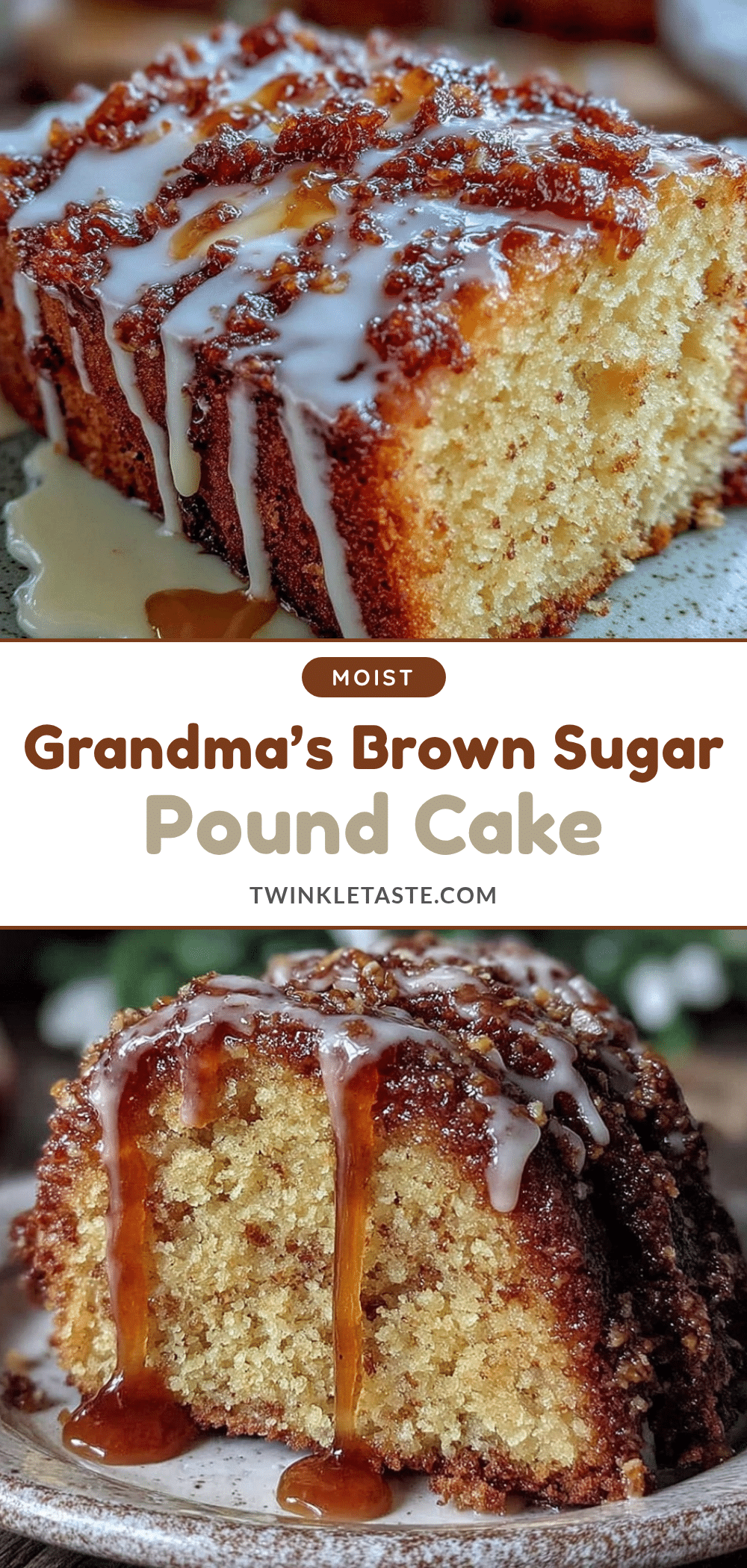
Classic Homemade Brown Sugar Pound Cake Recipe with Easy Buttermilk Glaze
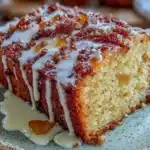
A rich and tender brown sugar pound cake with a simple tangy buttermilk glaze, perfect for any occasion and easy to make with straightforward ingredients.
- Prep Time: 15 minutes
- Cook Time: 55-65 minutes
- Total Time: 1 hour 10 minutes
- Yield: 12 servings 1x
- Category: Dessert
- Cuisine: American
Ingredients
- 2 cups packed brown sugar (light or dark)
- 1 cup (2 sticks) unsalted butter, softened to room temperature
- 4 large eggs, at room temperature
- 2 ½ cups all-purpose flour, sifted
- 1 teaspoon baking powder
- ½ teaspoon salt
- ¾ cup buttermilk (or ¾ cup milk + 1 tablespoon lemon juice, let sit 5 minutes)
- 2 teaspoons vanilla extract
- For the Buttermilk Glaze:
- ½ cup powdered sugar, sifted
- 2 tablespoons buttermilk
- ½ teaspoon vanilla extract
Instructions
- Preheat your oven to 325°F (163°C). Grease a 9×5-inch loaf pan generously with butter and dust with flour, or use parchment paper for easy release.
- In a large bowl, cream together 1 cup softened unsalted butter and 2 cups packed brown sugar using a mixer until fluffy and pale, about 4-5 minutes.
- Add 4 large eggs one at a time, mixing well after each addition.
- In a separate bowl, sift together 2 ½ cups all-purpose flour, 1 teaspoon baking powder, and ½ teaspoon salt.
- Alternately add the dry ingredients and ¾ cup buttermilk to the butter mixture, starting and ending with dry ingredients. Mix gently on low speed until smooth but thick.
- Stir in 2 teaspoons vanilla extract just until combined.
- Pour the batter into the prepared loaf pan and smooth the top.
- Bake for 55-65 minutes, checking at 55 minutes with a toothpick; it should come out clean or with a few moist crumbs.
- Let the cake cool in the pan for 15 minutes, then transfer to a wire rack to cool completely.
- To make the glaze, whisk together ½ cup sifted powdered sugar, 2 tablespoons buttermilk, and ½ teaspoon vanilla extract until smooth. Adjust consistency with more buttermilk if needed.
- Drizzle the glaze evenly over the cooled cake and let it set for at least 10 minutes before slicing.
Notes
Use softened butter at room temperature for proper creaming. Alternate adding dry ingredients and buttermilk to avoid curdling. Do not overmix after adding flour to prevent a dense cake. Tent with foil if browning too fast. Cool completely before glazing to avoid runny glaze. Dark brown sugar adds deeper molasses flavor. Gluten-free and dairy-free substitutions are possible with appropriate ingredient swaps.
Nutrition
- Serving Size: 1 slice (1/12th of t
- Calories: 320
- Sugar: 26
- Fat: 15
- Carbohydrates: 42
- Protein: 4
Keywords: brown sugar pound cake, homemade pound cake, buttermilk glaze, easy pound cake, classic dessert, baking recipe