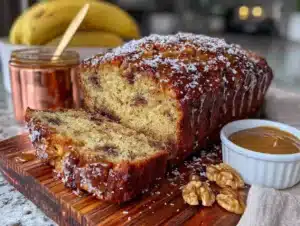
There used to be a tiny Irish bakery tucked between a dry cleaner and a shoe repair shop on the corner of Maple and 3rd that made the most incredible soda bread. When they closed their doors three summers ago—the owner finally retired after forty years—I actually stood outside staring at the “For Lease” sign like I’d lost a friend. That first St. Patrick’s Day without their loaf felt wrong, you know? So I did what any slightly obsessed home cook would do: I spent the next six months trying to crack the code.
After twelve attempts—twelve, let me tell you, some of them were dense enough to use as doorstops—I finally got it. This homemade Irish soda bread with raisins and caraway is the one. The crust has that perfect crackle, the inside is tender but sturdy enough to hold a thick spread of butter, and the caraway gives it this subtle warmth that makes you want to eat slice after slice. I actually yelled “Yes!” in my kitchen when I pulled this one out of the oven, and my neighbor knocked on the door thinking something was wrong. Nothing was wrong. Everything was finally right.
The secret? It is not about fancy techniques or hard-to-find ingredients. It is about understanding how the baking soda and buttermilk work together—that split-second chemical reaction that gives soda bread its signature texture. Once I figured out the timing, everything clicked. Now I make this loaf every single week, and honestly, it never gets old. Maybe you have been there with a recipe that haunted you until you got it right? This one is worth the obsession.
Why You’ll Love This Recipe
This is not just another quick bread recipe floating around the internet. I tested this version on my own family—three kids, one picky husband, and a neighbor who stops by unannounced every Tuesday—and it passed every single test. Here is why it works for real families on real budgets:
- Budget-Friendly Ingredients : You need flour, buttermilk, baking soda, salt, sugar, raisins, and caraway seeds. That is it. No expensive specialty flours, no imported butter, no trips to a gourmet store.
- Comes Together in Under 10 Minutes : No kneading. No rising. No waiting around. Mix, shape, bake. I timed myself last week—eight minutes from pulling out the bowl to sliding it into the oven.
- Perfect for Picky Eaters : My youngest refuses to eat anything with “green bits” (her words), but she devours this bread. The caraway is subtle enough that kids do not notice it, but adults appreciate the complexity.
- Leftovers Reheat Beautifully : Day-old soda bread toasted with butter tastes almost better than fresh. Make a double batch on Sunday, and you have breakfast sorted for half the week.
- No Special Equipment Needed : You probably own everything required. A bowl, a spoon, a baking sheet, and an oven. That is the whole list.
I have made this bread for St. Patrick’s Day dinners, for weekday breakfasts, for soup-soaking on cold nights, and even as a hostess gift wrapped in a tea towel. Every single time, someone asks for the recipe. It is the kind of bread that makes people close their eyes after the first bite—and honestly, that never gets old.
What Ingredients You Will Need
This recipe uses simple, everyday ingredients that you probably already have in your pantry. The magic happens when they come together, so let’s talk about each one and why it matters.
- All-Purpose Flour (4 cups / 480g) : Regular all-purpose flour works perfectly here. I prefer Gold Medal or King Arthur for consistent results, but store brands work fine too. Do not use bread flour—it makes the bread too dense. And do not use self-rising flour unless you adjust the baking soda amount.
- Buttermilk (1 ¾ cups / 420ml) : This is non-negotiable for authentic soda bread. The acidity in buttermilk reacts with the baking soda to create lift. If you do not have buttermilk, you can make a quick substitute: add 1 tablespoon of lemon juice or white vinegar to a measuring cup, then fill with regular milk to the 1 ¾ cup line. Let it sit for 5 minutes until it curdles slightly.
- Baking Soda (1 teaspoon) : This is your leavening agent. Make sure it is fresh—test it by dropping a pinch into vinegar; if it fizzes vigorously, it is good. Old baking soda will give you a flat, dense loaf.
- Salt (1 teaspoon) : Fine sea salt or table salt works best. Salt enhances the flavor of the flour and balances the sweetness of the raisins. Do not skip it.
- Granulated Sugar (2 tablespoons) : Just enough to add a hint of sweetness without making it a dessert bread. Traditional Irish soda bread often skips sugar entirely, but I find this small amount makes the bread more appealing to kids and complements the raisins beautifully.
- Unsalted Butter (2 tablespoons, cold, cut into small cubes) : The butter gets cut into the flour, creating tiny pockets that make the bread tender. Cold butter is key—warm butter will melt into the flour instead of staying in little pieces.
- Raisins (1 cup / 150g) : I use golden raisins for a milder, slightly sweeter flavor, but dark raisins work perfectly too. If your raisins are very dry, soak them in warm water for 10 minutes, then drain and pat dry before adding them to the dough. This keeps them plump and juicy inside the baked bread.
- Caraway Seeds (2 teaspoons) : This is the signature flavor of Irish soda bread. Caraway has a slightly peppery, anise-like taste that pairs surprisingly well with raisins. If you are unsure about caraway, start with 1 teaspoon and see how you like it. Some people swap it for fennel seeds or leave it out entirely—but honestly, the caraway is what makes it taste authentic.
One note about sourcing: I buy my caraway seeds from the bulk bin section at my local grocery store. They cost pennies compared to the jarred version, and they stay fresh longer since I only buy what I need. Same goes for raisins—the bulk section is your friend.
Equipment Needed
You do not need fancy equipment for this recipe. Here is what you will need:
- Large Mixing Bowl : Any big bowl works. I use a ceramic one because it does not slide around on the counter, but glass or stainless steel is fine.
- Wooden Spoon or Dough Whisk : A sturdy spoon for mixing the dough. I have used the same wooden spoon for fifteen years—it is stained and scratched, but it gets the job done.
- Pastry Cutter or Two Knives : For cutting the butter into the flour. A pastry cutter is faster, but two knives crossed over each other work just as well. You can even use your fingertips if the butter is very cold—just work quickly so the butter does not warm up.
- Baking Sheet or Cast Iron Skillet : A rimmed baking sheet lined with parchment paper works perfectly. I prefer a cast iron skillet because it gives the bread a gorgeous crust, but a baking sheet is easier to clean.
- Sharp Knife : For scoring the cross on top of the loaf. A serrated knife works best, but any sharp knife will do.
- Cooling Rack : Essential for cooling the bread so the bottom does not get soggy. If you do not have a rack, carefully tip the bread on its side to cool.
Budget-friendly tip: Skip the pastry cutter and just use your hands. Seriously. I did it for years before I bought a proper cutter. The butter gets incorporated just fine, and your hands warm it up slightly, which actually helps it distribute evenly.
Preparation Method
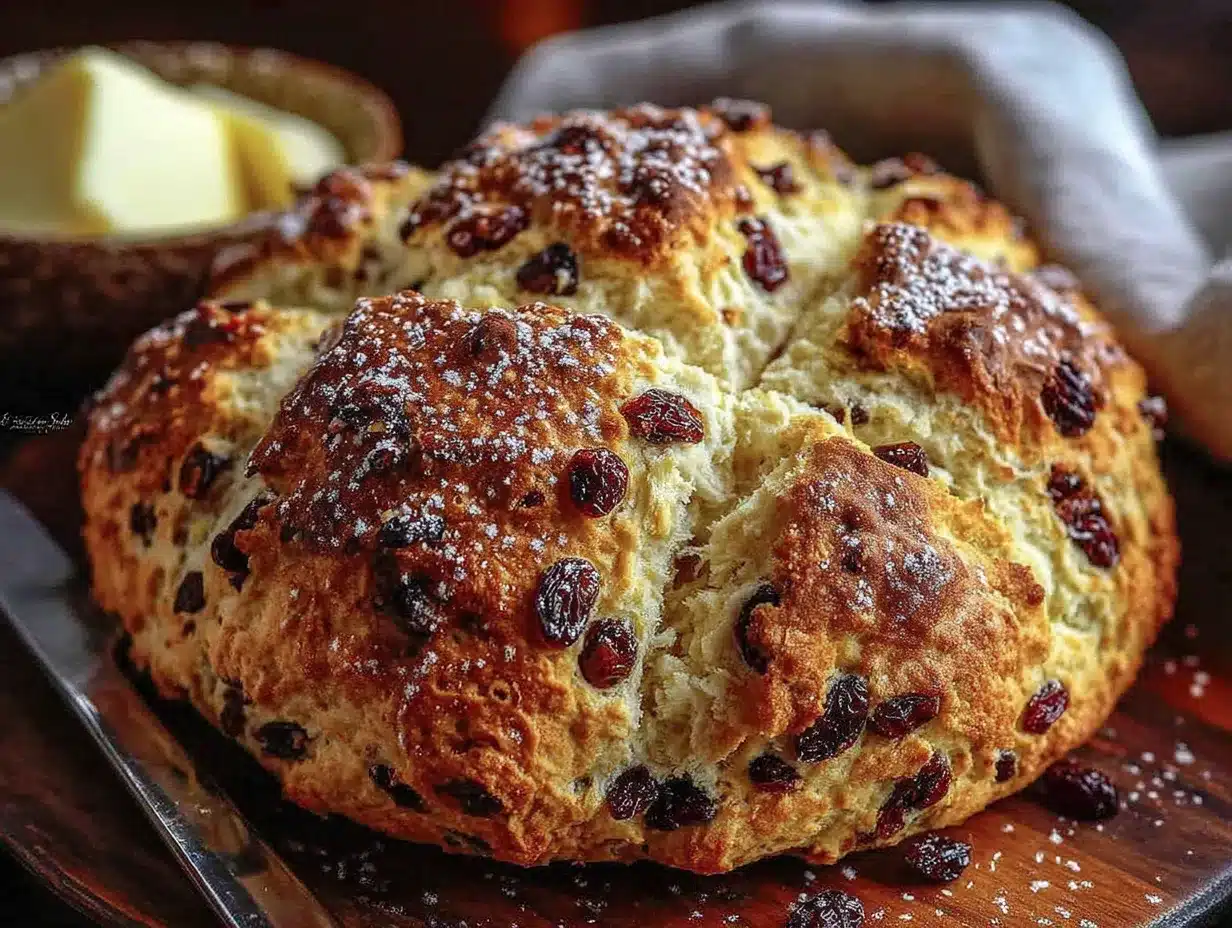
Preheat your oven to 425°F (220°C) and position a rack in the center. Line a baking sheet with parchment paper or lightly grease a 10-inch cast iron skillet.
- Combine the dry ingredients : In your large mixing bowl, whisk together 4 cups (480g) all-purpose flour, 1 teaspoon baking soda, 1 teaspoon salt, and 2 tablespoons sugar. Make sure the baking soda is evenly distributed—clumps of baking soda will leave bitter spots in your bread.
- Cut in the butter : Add the 2 tablespoons of cold, cubed butter to the flour mixture. Using a pastry cutter, two knives, or your fingertips, work the butter into the flour until it resembles coarse crumbs with some pea-sized butter pieces remaining. This takes about 2 minutes. Do not overwork it—you want visible bits of butter throughout.
- Add the raisins and caraway : Stir in 1 cup (150g) raisins and 2 teaspoons caraway seeds until evenly distributed. The raisins should be coated in flour, which helps prevent them from sinking to the bottom of the loaf during baking.
- Make a well and add buttermilk : Create a well in the center of the flour mixture. Pour in 1 ¾ cups (420ml) buttermilk all at once. Using a wooden spoon, stir in a circular motion, starting from the center and working outward. The dough will look shaggy and messy—that is exactly what you want. Do not overmix; stop as soon as the flour is incorporated. Overmixing develops the gluten and makes the bread tough.
- Shape the dough : Lightly flour your hands and the work surface. Turn the dough out onto the floured surface. Gently bring the dough together into a round shape. It will be sticky and rough-looking. Do not knead it—just shape it into a ball with as few touches as possible. If it is too sticky to handle, sprinkle a little extra flour on top, but go easy.
- Transfer to baking sheet : Place the dough round onto your prepared baking sheet or into the cast iron skillet. Using a sharp knife, score a deep cross on top of the loaf, cutting about ½ inch deep. The cross serves two purposes: it helps the bread bake evenly by allowing heat to penetrate the center, and it is traditionally said to “let the fairies out.” I am not superstitious, but I always do it anyway.
- Bake : Place the bread in the preheated oven and bake for 35-40 minutes, or until the crust is deep golden brown and the loaf sounds hollow when tapped on the bottom. If you have an instant-read thermometer, the internal temperature should reach 190°F (88°C).
- Cool : Transfer the bread to a cooling rack and let it cool for at least 30 minutes before slicing. I know it is tempting to cut into it right away, but slicing too early will give you a gummy interior. Patience, my friend.
One thing I learned the hard way: do not skip the scoring step. The first loaf I made without scoring came out with a cracked, uneven top that looked like a science experiment gone wrong. The cross gives the bread a beautiful, bakery-style appearance and ensures even baking.
Cooking Tips & Techniques
After making this bread more times than I care to count, I have picked up a few tricks that make a real difference. Here is what I wish someone had told me:
Work quickly and gently. Soda bread relies on the immediate reaction between the baking soda and buttermilk. Once you add the liquid, the clock starts ticking. You have about 30 seconds of mixing time before the reaction begins to slow down. That is why soda bread is so fast—and why overmixing is deadly. Mix just until the flour disappears, shape it in two or three movements, and get it in the oven.
Trust the shaggy dough. When I first made soda bread, I kept adding flour because the dough looked too wet and messy. Do not do that. A shaggy, slightly sticky dough produces a tender loaf. If you add too much flour, you will end up with a dry, crumbly bread that falls apart when you slice it. Embrace the mess.
Use cold buttermilk straight from the fridge. Cold liquid keeps the butter solid longer, which means those little butter pockets stay intact and create steam pockets during baking. Those steam pockets are what give soda bread its tender crumb. Warm buttermilk melts the butter into the flour, and you lose that texture.
Rotate the pan halfway through. Ovens have hot spots. I learned this after pulling out a loaf that was beautifully golden on one side and pale on the other. Now I rotate the baking sheet 180 degrees at the 18-minute mark. It takes five seconds and makes a huge difference.
Let it cool completely. I know, I said this already, but it bears repeating. Soda bread continues to cook internally as it cools. Cutting into it while it is still warm releases steam that should stay inside, leaving you with a gummy, undercooked center. Give it at least 30 minutes. Use that time to make tea and soften some butter.
Variations & Adaptations
One of the best things about this recipe is how adaptable it is. Here are a few variations I have tried and loved:
Whole Wheat Irish Soda Bread : Substitute 2 cups of the all-purpose flour with whole wheat flour. The bread will be denser and nuttier, with a more rustic texture. Add an extra 2-3 tablespoons of buttermilk since whole wheat flour absorbs more liquid. My husband actually prefers this version—he says it feels more “hearty.”
Savory Soda Bread : Omit the sugar, raisins, and caraway seeds. Add 1 cup of shredded sharp cheddar cheese, 2 tablespoons of fresh chopped rosemary, and ½ teaspoon of black pepper. This version is incredible served alongside a bowl of tomato soup or beef stew. I made it for a Super Bowl party last year, and it disappeared in ten minutes.
Gluten-Free Irish Soda Bread : Use a 1:1 gluten-free flour blend that contains xanthan gum. Cup4Cup and King Arthur both work well. The dough will be stickier and wetter than the regular version, so do not panic. Bake for an extra 5-10 minutes, and let it cool completely before slicing. The texture is slightly more crumbly, but the flavor is spot-on.
Dried Fruit Swap : Not a fan of raisins? Try dried cranberries, chopped dried apricots, or chopped dried figs. Each gives the bread a different personality. Cranberries make it more tart, apricots add a honeyed sweetness, and figs give it a sophisticated, almost jammy quality. I once made a batch with dried cherries and orange zest—that one was dangerous because I could not stop eating it.
Vegan Irish Soda Bread : Replace the butter with cold coconut oil or vegan butter, and use 1 ¾ cups of unsweetened almond milk mixed with 1 tablespoon of apple cider vinegar as a buttermilk substitute. The bread will be slightly less tender but still delicious. My vegan friend Sarah requests this every time she comes over for dinner.
Serving & Storage Suggestions
Soda bread is best served warm, but it is wonderful at any temperature. Here is how I like to serve it:
Fresh from the oven : Slice it thick—about ¾ inch—and slather it with salted butter. The butter melts into the warm crumb, and honestly, that is all you need. For an extra treat, add a drizzle of honey or a spoonful of raspberry jam.
With soup or stew : Soda bread is the perfect companion for hearty soups and stews. It soaks up broth without falling apart. Try it with a bowl of creamy potato leek soup or a rich beef and Guinness stew. The bread’s slight sweetness balances the savory flavors beautifully.
For breakfast : Toast a slice of day-old soda bread and top it with butter and a sprinkle of cinnamon sugar. Or use it for a savory breakfast sandwich with scrambled eggs and cheddar cheese. My kids love it toasted with peanut butter and sliced bananas.
Storage : Store leftover soda bread wrapped in a clean kitchen towel or paper bag at room temperature for up to 3 days. Do not store it in plastic—the bread will become soggy from trapped moisture. If you need to keep it longer, slice the entire loaf and freeze the slices in a zip-top bag for up to 3 months.
Reheating : Toast frozen slices directly from the freezer. For a whole loaf, wrap it in aluminum foil and warm it in a 300°F (150°C) oven for 10-15 minutes. The crust will crisp back up, and the inside will be steamy and tender.
One thing I love about this bread: the flavor actually improves on the second day. The caraway seeds mellow out and blend with the raisins, creating a more rounded taste. I sometimes make the bread a day ahead specifically for this reason.
Nutritional Information & Benefits
Here is the estimated nutritional breakdown for one slice (based on 12 slices per loaf):
- Calories: 220
- Total Fat: 4g
- Saturated Fat: 2g
- Cholesterol: 10mg
- Sodium: 310mg
- Total Carbohydrates: 42g
- Dietary Fiber: 2g
- Sugars: 12g
- Protein: 6g
While soda bread is not a health food, it does offer some nutritional benefits. Raisins provide fiber, potassium, and iron. Caraway seeds have been used in traditional medicine for digestive health—they contain compounds that may help reduce bloating and gas. The buttermilk adds calcium and protein without a lot of fat.
For a more balanced approach, enjoy this bread as part of a meal with protein and vegetables. A slice with a bowl of lentil soup and a side salad makes a satisfying, nutrient-dense lunch. And honestly, life is too short to stress about a little bread. This is comfort food, meant to be enjoyed.
If you are watching your sodium intake, you can reduce the salt to ½ teaspoon without significantly affecting the texture. The bread will be slightly less flavorful, but it will still work.
Conclusion
This homemade Irish soda bread with raisins and caraway is more than a recipe—it is a piece of my kitchen history. It took me twelve tries and a lot of disappointment to get it right, but now it is the bread I turn to again and again. It is fast, forgiving, and deeply satisfying in a way that store-bought bread never is.
I hope you give it a try, and I hope you make it your own. Add extra raisins if that is your thing. Double the caraway. Skip the caraway entirely and add orange zest instead. The beauty of soda bread is that it welcomes adaptation. It is a forgiving bread for a forgiving cook.
When you make it—and I really hope you do—come back and let me know how it turned out. Did your family love it? Did you try a variation? Did you burn the bottom like I did on attempt number three? I want to hear about it all. Leave a comment below, share a photo, or tag me on social media. This recipe was made to be shared, just like that loaf from the little bakery on Maple and 3rd.
Now go preheat your oven. Your kitchen is about to smell incredible.
Frequently Asked Questions
Can I use regular milk instead of buttermilk?
Regular milk will not work because it lacks the acidity needed to react with the baking soda. However, you can make a quick buttermilk substitute by adding 1 tablespoon of lemon juice or white vinegar to 1 ¾ cups of regular milk. Let it sit for 5 minutes until it curdles slightly before using.
Why did my soda bread turn out dense and heavy?
The most common reason is overmixing the dough. Soda bread should be mixed just until the flour is incorporated—no more than 30 seconds of stirring. Overmixing develops the gluten, which makes the bread tough and dense. Another possible cause is old baking soda. Always check that your baking soda is fresh before starting.
Can I freeze Irish soda bread?
Yes, absolutely. Slice the cooled loaf and place the slices in a single layer in a zip-top freezer bag. Freeze for up to 3 months. Toast slices directly from frozen. You can also freeze a whole loaf wrapped tightly in plastic wrap and then aluminum foil. Thaw at room temperature and reheat in the oven.
Do I have to use caraway seeds?
Not at all. Caraway seeds are traditional in Irish soda bread, but you can leave them out entirely or substitute them with fennel seeds, poppy seeds, or even sesame seeds. If you are baking for kids who might be sensitive to the flavor, start with just 1 teaspoon or skip them altogether.
How do I know when the bread is fully baked?
The bread should be deep golden brown on top and sound hollow when you tap the bottom. If you have an instant-read thermometer, the internal temperature should reach 190°F (88°C). If the top is browning too quickly but the center is not done, tent the loaf loosely with aluminum foil for the last 10 minutes of baking.
Pin This Recipe!
Easy Homemade Irish Soda Bread with Raisins and Caraway
This homemade Irish soda bread with raisins and caraway has a perfect crackly crust and tender interior. Made with simple ingredients and no kneading, it comes together in under 10 minutes and is perfect for St. Patrick’s Day, breakfast, or alongside soup.
- Prep Time: 10 minutes
- Cook Time: 35-40 minutes
- Total Time: 45-50 minutes
- Yield: 12 servings 1x
- Category: Bread
- Cuisine: Irish
Ingredients
- 4 cups (480g) all-purpose flour
- 1 teaspoon baking soda
- 1 teaspoon salt
- 2 tablespoons granulated sugar
- 2 tablespoons unsalted butter, cold, cut into small cubes
- 1 cup (150g) raisins (golden or dark)
- 2 teaspoons caraway seeds
- 1 ¾ cups (420ml) buttermilk
Instructions
- Preheat oven to 425°F (220°C). Line a baking sheet with parchment paper or lightly grease a 10-inch cast iron skillet.
- In a large mixing bowl, whisk together flour, baking soda, salt, and sugar.
- Cut in the cold butter using a pastry cutter, two knives, or your fingertips until the mixture resembles coarse crumbs with some pea-sized butter pieces remaining.
- Stir in raisins and caraway seeds until evenly distributed.
- Make a well in the center and pour in the buttermilk all at once. Stir with a wooden spoon in a circular motion from the center outward until just combined. The dough will be shaggy and messy.
- Lightly flour your hands and a work surface. Turn the dough out and gently shape it into a round ball with as few touches as possible. Do not knead.
- Place the dough on the prepared baking sheet or in the skillet. Using a sharp knife, score a deep cross on top, about ½ inch deep.
- Bake for 35-40 minutes, until deep golden brown and the loaf sounds hollow when tapped on the bottom. Internal temperature should reach 190°F (88°C).
- Transfer to a cooling rack and let cool for at least 30 minutes before slicing.
Notes
Work quickly and gently once buttermilk is added. Do not overmix. The dough should be shaggy and slightly sticky. Let the bread cool completely before slicing to avoid a gummy interior. For best results, use cold buttermilk straight from the fridge. Rotate the pan halfway through baking for even browning.
Nutrition
- Serving Size: 1 slice
- Calories: 220
- Sugar: 12
- Sodium: 310
- Fat: 4
- Saturated Fat: 2
- Carbohydrates: 42
- Fiber: 2
- Protein: 6
Keywords: Irish soda bread, soda bread, raisin bread, caraway bread, St. Patrick's Day, quick bread, no knead bread