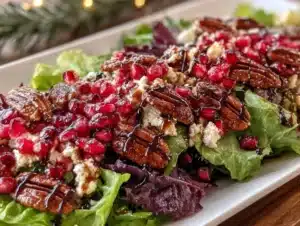
It was 11:47 PM on a random Thursday, and I had a very specific, almost embarrassing craving for a salad. Not just any salad, but the kind you get at a fancy restaurant—the one where the dressing is so good you want to drink it. I didn’t have any shallots, which is the classic base for a vinaigrette, and my Dijon mustard was looking a little sad. But I had a lemon, a clove of garlic that was starting to sprout, and a jar of honey that was almost crystallized. The idea that hit me was simple: what if I just… skipped the shallot and let the garlic do the heavy lifting? Honestly, I was too tired to argue with myself. I grabbed my little jar, started shaking, and by midnight, I was standing in my kitchen, dipping a finger into the most ridiculously bright, tangy, and emulsified dressing I’d ever made. There was a little bit of garlic pulp on my counter and a smear of honey on the jar lid, but I didn’t care. This was it. This was the dressing I’d been chasing. And let me tell you, it’s the one that has saved me at every single party and potluck since. Maybe you’ve been there, standing in front of a sad bag of greens, knowing the bottled stuff just won’t cut it. This is the fix.
Why You’ll Love This Recipe
This isn’t just a recipe; it’s a secret weapon for any host. I’ve tested this through a dozen dinner parties, a chaotic Thanksgiving prep, and a very last-minute picnic. It’s the one thing I can whip up without breaking a sweat, and it always gets a comment. Here is why this easy lemon Dijon vinaigrette is a non-negotiable for your cooking arsenal:
- Ready in 10 Minutes: Seriously. From grabbing the jar to pouring it on the salad is faster than finding a parking spot at the grocery store.
- Pantry-Friendly Ingredients: You probably have everything right now. No trips to a specialty store for fancy oils or obscure vinegars.
- Perfect for Entertaining: This is the ultimate crowd-pleaser. It’s light enough to not overpower a meal but bold enough to stand up to hearty greens or roasted vegetables. It makes you look like you planned way ahead.
- Naturally Gluten-Free and Dairy-Free: Everyone can enjoy it. No one has to ask what’s in it.
- Unbelievably Emulsified Texture: The trick is all in the method. You get a creamy, cohesive dressing that clings to every leaf instead of pooling at the bottom of the bowl.
This recipe is the one that makes you close your eyes after the first bite. It’s that perfect balance of bright acidity, rich olive oil, and a touch of sweetness. It’s comfort food for your salad—healthier, faster, but with the same soul-soothing satisfaction. Perfect for impressing guests without stress, or turning a simple side into something memorable.
What Ingredients You Will Need
This recipe uses simple, high-quality ingredients to deliver a bold flavor without the fuss. Each component plays a specific role, and the beauty is in the balance.
- Fresh Lemon Juice (1/4 cup, about 1 large lemon): The star of the show. You absolutely need fresh juice here—the bottled stuff tastes flat and lacks the bright, zesty punch that makes this dressing sing. I recommend rolling the lemon on the counter before cutting to get the most juice out.
- Dijon Mustard (1 tablespoon): This is your emulsifier and flavor backbone. It provides a sharp, tangy kick that marries perfectly with the lemon. I prefer a smooth, classic Dijon like Maille or Grey Poupon for the best texture.
- Extra Virgin Olive Oil (1/2 cup): The body of the dressing. Use a good quality olive oil here—it doesn’t have to be the most expensive bottle, but one that tastes fruity and fresh. A robust oil will stand up to the lemon, while a milder one will let the citrus shine.
- Honey (1-2 teaspoons): The balancer. It cuts through the acidity and bitterness of the lemon and mustard. Start with 1 teaspoon for a tangy dressing, or go up to 2 for a sweeter, more crowd-friendly version. (Agave or maple syrup work great as substitutes).
- Garlic (1 small clove, minced): The secret depth. A single clove adds a subtle, savory warmth without being overpowering. I like to grate it on a microplane so it melts into the dressing. (If you’re not a fan of raw garlic, you can skip it or use a pinch of garlic powder).
- Kosher Salt and Freshly Cracked Black Pepper (to taste): The finishers. Salt brings all the flavors into focus, and pepper adds a gentle warmth. I always add a good pinch of salt and a few cranks of the pepper mill.
Equipment Needed
You don’t need much for this, which is part of the charm. The right tools just make the process smoother.
- A Mason Jar with a Tight-Fitting Lid: This is my go-to. It makes shaking and storing incredibly easy. A 16-ounce jar is the perfect size for this batch.
- A Microplane or Fine Grater: For mincing the garlic into a paste. This is a game-changer—it ensures the garlic flavor disperses evenly without any harsh chunks.
- A Citrus Juicer (Optional but Helpful): A simple hand-held reamer makes getting every drop of juice out of your lemon effortless.
- Measuring Spoons and a Liquid Measuring Cup: For accuracy. I learned the hard way that eyeballing the oil can lead to a greasy mess.
- A Whisk (Optional): If you prefer to make the dressing in a bowl, a whisk works beautifully. It just takes a little more arm work to get that perfect emulsion.
Preparation Method
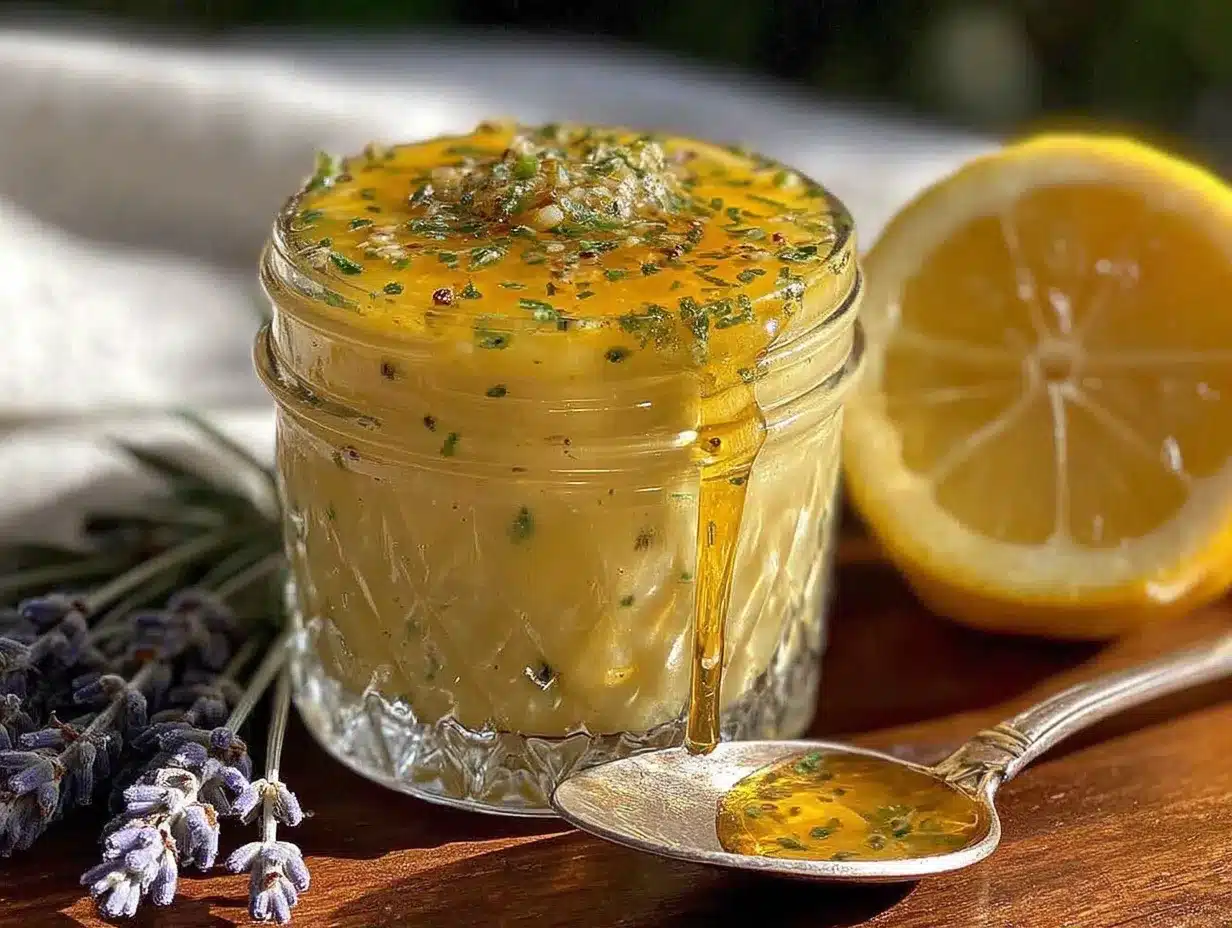
This is where the magic happens. Follow these steps, and you’ll have a perfect vinaigrette every single time.
- Prepare the Base (2 minutes): In your mason jar (or a medium bowl), combine the fresh lemon juice, Dijon mustard, honey, and the grated garlic. Seriously, grate the garlic—it makes a world of difference. Add a generous pinch of kosher salt and a few cracks of black pepper. Don’t add the oil yet.
- Whisk or Shake to Combine (30 seconds): If using a jar, screw the lid on tight and give it a vigorous shake for about 15 seconds. If using a bowl, whisk everything together until the honey is dissolved and the mixture looks uniform. This step is crucial because it creates a base for the oil to cling to.
- Emulsify with the Oil (3 minutes): This is the key to a creamy, non-separating dressing. Do not dump all the oil in at once. If using a jar, add the olive oil in a slow, steady stream while shaking the jar continuously. I like to add about a tablespoon at a time, shaking for 10 seconds between each addition. If using a bowl, drizzle the oil in a very thin stream while whisking constantly. You should see the mixture transform from a thin, watery liquid into a thick, creamy, and slightly opaque dressing. It will look like a beautiful, pale yellow sauce.
- Check and Adjust (1 minute): Taste the dressing with a clean spoon. This is where your personal touch comes in. Is it too tart? Add another 1/2 teaspoon of honey. Too oily? A squeeze more lemon. Not salty enough? A pinch more salt. The dressing should be bright, tangy, and well-balanced.
- Rest and Serve (4 minutes): Let the dressing sit for at least 5 minutes before serving. This allows the flavors to meld and mellow out the sharpness of the raw garlic. Give it one last quick shake or whisk before drizzling over your salad.
Cooking Tips & Techniques
Over the years, I’ve made a few mistakes with vinaigrettes so you don’t have to. Here is what I’ve learned.
- The Emulsion is Everything: The biggest mistake people make is adding the oil too fast. Your dressing will separate and look greasy. Patience is your friend. A slow, steady stream is the secret to a creamy, clingy dressing.
- Room Temperature Ingredients Help: Cold olive oil can sometimes cause the emulsion to break. If your oil is straight from the fridge, let it sit on the counter for 10 minutes before you start.
- Don’t Over-Shake or Over-Whisk: Once the dressing is emulsified, stop. Overworking it can make it turn bitter or thicken too much. A few good shakes after it rests is all it needs.
- Taste as You Go: This is the most important tip. The acidity of lemons varies wildly. One lemon might be super tart, another might be mild. Your taste buds are the best measuring tool.
- Make it Ahead: This dressing actually gets better after a few hours in the fridge. The flavors meld and the garlic mellows. It’s the perfect thing to make a day before a party.
Variations & Adaptations
This base recipe is a fantastic canvas for your own creativity. Here are a few ways I’ve tweaked it for different occasions.
- Herby Garden Version: Add 2 tablespoons of finely chopped fresh herbs like parsley, chives, dill, or tarragon. This is perfect for a spring or summer salad. I made this for a garden party last year and it was a hit.
- Spicy Kick: Add a pinch of red pepper flakes or a small minced shallot to the base before adding the oil. This gives it a lovely warmth that’s great with arugula or grilled vegetables.
- Creamy Twist: For a richer, creamier dressing, add 1 tablespoon of Greek yogurt or a dollop of mayonnaise when you whisk the base. This makes it even more luxurious and is fantastic on a chopped salad.
- Vegan Friendly: This recipe is naturally vegan if you swap the honey for maple syrup or agave nectar. It works perfectly and tastes just as delicious.
- Citrus Swap: Don’t have a lemon? Use lime juice for a Mexican-inspired vinaigrette, or orange juice for a sweeter, milder dressing. The method stays exactly the same.
Serving & Storage Suggestions
This dressing is incredibly versatile. Here is how to make the most of it.
- Serving: Serve it at room temperature for the best flavor and texture. If it’s been in the fridge, let it sit on the counter for 15 minutes, then give it a good shake or whisk to re-emulsify.
- What to Dress: It’s a classic partner for a simple green salad (think romaine, arugula, or mixed greens). It’s also fantastic drizzled over roasted vegetables (broccoli, asparagus, or carrots), grilled chicken, or as a marinade for fish. For a party, it’s amazing on a chopped salad or a Greek pasta salad.
- Storage: Store the dressing in your mason jar (or any airtight container) in the refrigerator for up to one week. The flavors will continue to develop, making it even better on day two.
- Reheating/Re-emulsifying: If the dressing separates in the fridge (which is normal), don’t worry. Simply let it come to room temperature, then shake it vigorously for 15-20 seconds. It will come back together beautifully.
- Make-Ahead for Parties: This is my favorite tip. Make a double batch the day before your gathering. It’s one less thing to worry about, and it will taste incredible. I often pair it with my crunchy romaine salad for a foolproof side dish.
Nutritional Information & Benefits
While this is a dressing, it’s made with whole, healthy fats and fresh ingredients. Here’s a quick look at what you’re getting.
- Estimated Per Serving (2 tablespoons): Calories: 140, Fat: 14g, Carbs: 3g, Protein: 0g.
- Healthy Fats: The extra virgin olive oil is rich in monounsaturated fats, which are great for heart health.
- Vitamin C: The fresh lemon juice provides a good dose of Vitamin C, a powerful antioxidant.
- Low Sugar: With only a teaspoon of honey per batch, this dressing is very low in added sugar compared to store-bought versions.
- Dietary Considerations: This recipe is naturally gluten-free, dairy-free, and can be made vegan with a simple swap. It’s a great choice for a wide variety of dietary needs.
Conclusion
Honestly, this easy lemon Dijon vinaigrette is the kind of recipe that makes you feel like a kitchen pro without any of the stress. It’s quick, uses ingredients you already have, and transforms a simple bowl of greens into something special. Whether you’re hosting a big dinner party or just want a better salad for your lunch, this dressing has your back. I love it because it’s forgiving—you can tweak it a hundred ways and it still turns out fantastic. So go ahead, give it a shake! I’d love to hear how it turns out for you. Leave a comment below and tell me your favorite way to use it, or share your own twist on the recipe. Happy cooking!
Frequently Asked Questions
Can I use bottled lemon juice instead of fresh?
I really don’t recommend it. Fresh lemon juice has a bright, clean flavor that is essential for this vinaigrette. Bottled juice often tastes flat and can make the dressing taste artificial.
My dressing separated in the fridge. Is it ruined?
Not at all! Separation is completely natural. Just let it sit at room temperature for 10-15 minutes, then shake it vigorously in your jar for about 20 seconds. It will come back together perfectly.
Can I make this dressing without a jar?
Absolutely. You can whisk it in a bowl using a standard whisk. The key is still to add the oil in a slow, steady stream while whisking constantly to create the emulsion.
How long does this homemade vinaigrette last?
Stored in an airtight container in the refrigerator, this dressing will stay fresh for up to one week. The flavors actually meld and improve after a day or two.
What if I don’t have Dijon mustard?
You can substitute with whole grain mustard for a different texture, or even a pinch of dry mustard powder. The mustard is important for the emulsion, so don’t skip it entirely if you can help it.
Pin This Recipe!
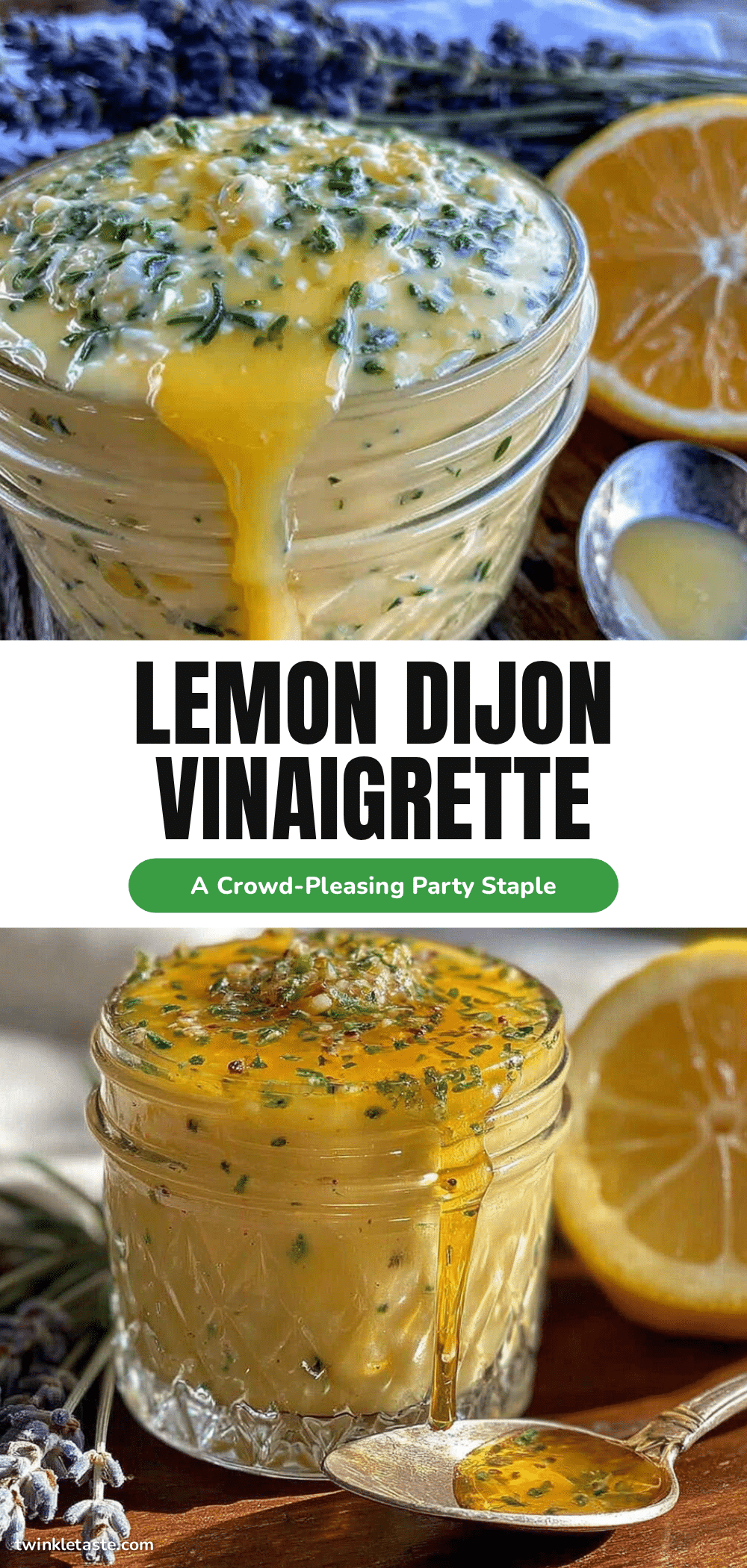
Easy Lemon Dijon Vinaigrette: Best 10-Minute Homemade Recipe

This easy lemon Dijon vinaigrette is a quick, pantry-friendly dressing that transforms any salad into a restaurant-quality dish. Ready in just 10 minutes, it’s naturally gluten-free and dairy-free, with a perfectly emulsified, creamy texture.
- Prep Time: 10 minutes
- Cook Time: 0 minutes
- Total Time: 10 minutes
- Yield: 4 servings 1x
- Category: Salad Dressing
- Cuisine: French
Ingredients
- 1/4 cup fresh lemon juice (about 1 large lemon)
- 1 tablespoon Dijon mustard
- 1/2 cup extra virgin olive oil
- 1–2 teaspoons honey
- 1 small clove garlic, minced
- Kosher salt to taste
- Freshly cracked black pepper to taste
Instructions
- In a mason jar or medium bowl, combine the fresh lemon juice, Dijon mustard, honey, and grated garlic. Add a generous pinch of kosher salt and a few cracks of black pepper. Do not add the oil yet.
- If using a jar, screw the lid on tight and shake vigorously for about 15 seconds. If using a bowl, whisk until the honey is dissolved and the mixture looks uniform.
- Add the olive oil in a slow, steady stream while shaking the jar continuously (or whisking constantly if using a bowl). Add about a tablespoon at a time, shaking for 10 seconds between each addition, until the dressing becomes thick, creamy, and slightly opaque.
- Taste the dressing and adjust seasoning: add more honey if too tart, more lemon if too oily, or more salt if needed. The dressing should be bright, tangy, and well-balanced.
- Let the dressing sit for at least 5 minutes before serving to allow flavors to meld. Give it one last quick shake or whisk before drizzling over salad.
Notes
For best results, use fresh lemon juice and room temperature olive oil. The dressing can be stored in the refrigerator for up to one week; let it come to room temperature and shake to re-emulsify before serving. This recipe is naturally vegan if honey is swapped for maple syrup or agave nectar.
Nutrition
- Serving Size: 2 tablespoons
- Calories: 140
- Sugar: 2
- Sodium: 120
- Fat: 14
- Saturated Fat: 2
- Carbohydrates: 3
Keywords: lemon Dijon vinaigrette, homemade salad dressing, easy vinaigrette, 10-minute dressing, gluten-free dressing, dairy-free dressing