“You’re seriously turning that rock-hard bread into breakfast?” my partner asked, peering over the counter with a mix of doubt and curiosity. Honestly, I was skeptical myself the first time I tried making crispy stale bread French toast. The loaf had been sitting on the counter for a couple of days—too dry for sandwiches, a bit too tough for a snack. Instead of tossing it, I decided to take a chance and whipped up this recipe, hoping it wouldn’t be a total flop.
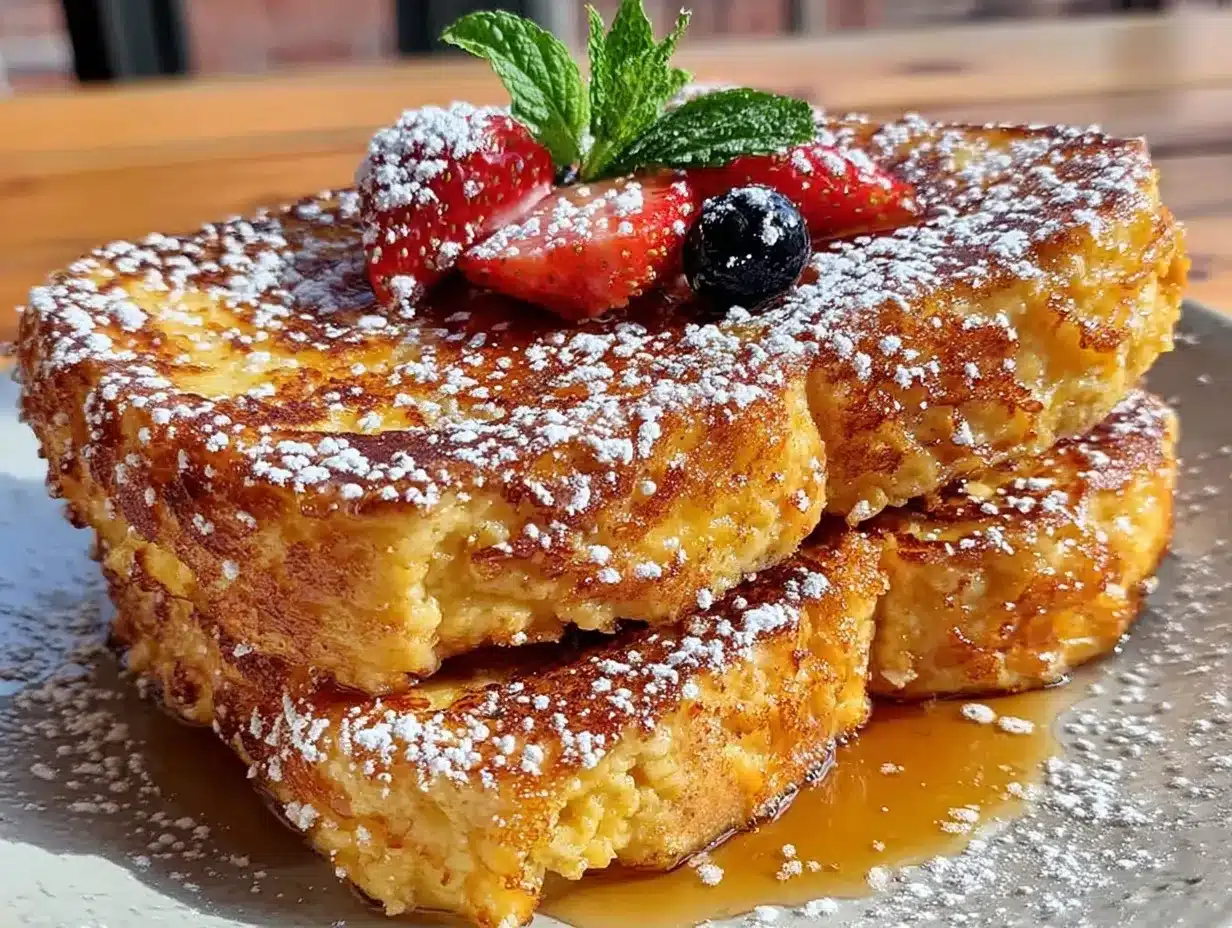
What happened next surprised both of us. The bread soaked up the egg mixture just right, and when it hit the pan, it crisped up beautifully on the outside while staying tender inside. The aroma of cinnamon and vanilla filled the kitchen, making the morning feel warmer instantly. It was a total win, especially since I didn’t have to run out for fresh bread or waste a perfectly good loaf. Since then, I’ve made this crispy stale bread French toast more times than I can count—sometimes for a rushed breakfast before work, other times as a cozy weekend treat.
It’s funny how a simple leftover loaf can turn into something that feels special without much effort. This recipe stuck with me because it’s both practical and comforting, and you know, there’s something oddly satisfying about rescuing day-old bread and turning it into golden, crunchy French toast. It’s not just about avoiding waste; it’s about turning the everyday into a small moment of joy. I’m pretty sure this is one recipe you’ll keep coming back to, especially when the breadbasket looks a little too empty.
Why You’ll Love This Recipe
Having tested this crispy stale bread French toast recipe countless times, I can say it’s a kitchen gem that’s as practical as it is delicious. Here’s why it’s earned a permanent spot in my breakfast rotation:
- Quick & Easy: Ready in about 20 minutes, it’s a lifesaver for busy mornings or when you want a fuss-free but impressive breakfast.
- Simple Ingredients: No need for fancy or exotic items. You probably already have eggs, milk, cinnamon, and vanilla sitting around.
- Perfect for Using Day-Old Bread: This recipe shines by making stale or day-old bread taste like fresh, crisp, and indulgent French toast.
- Crowd-Pleaser: Family, roommates, guests—everyone asks for seconds because of the crispy outside and tender inside combo.
- Unbelievably Delicious: That balance of crunch and softness, with a hint of spice, makes this French toast genuinely crave-worthy.
This recipe isn’t your run-of-the-mill French toast. The trick is in the soaking time and gently pressing the bread before frying to lock in moisture but keep it from turning soggy. Plus, I like adding a pinch of nutmeg for warmth, which gives it a subtle twist without overpowering the classic flavors. I’ve found that using sturdy bread, like a rustic white or sourdough, works best. And if you want to try something a bit different, swapping the usual milk for almond or oat milk adds a nice nutty undertone.
Honestly, this isn’t just about making French toast—it’s about making the most of what’s on hand and turning stale bread into a breakfast that feels thoughtfully made. It’s the kind of dish that gets you excited to wake up in the morning, even on a weekday.
What Ingredients You Will Need
This recipe uses simple, wholesome ingredients to deliver bold flavor and satisfying texture without the fuss. Most are pantry staples, and many can be swapped with ease depending on your preferences or what you have on hand.
- Day-old bread: 6 slices (rustic white, sourdough, or country loaf work best; avoid super soft sandwich bread)
- Large eggs: 3, room temperature (room temp eggs mix better and help with even soaking)
- Whole milk: 1 cup (240 ml; use almond or oat milk for dairy-free option)
- Granulated sugar: 2 tablespoons (balances the richness; you can reduce or swap for maple syrup in the batter)
- Vanilla extract: 1 teaspoon (pure vanilla for best aroma)
- Ground cinnamon: 1 teaspoon (adds warm spice; feel free to add a pinch of nutmeg for extra depth)
- Salt: A pinch (to enhance flavors)
- Unsalted butter: 2 tablespoons (for frying; you can mix with a bit of oil to prevent burning)
- Powdered sugar: For dusting (optional, but a nice finishing touch)
- Maple syrup or honey: For serving (classic and delicious pairing)
Pro tip: I like to use King Arthur bread when I want a reliable loaf that holds up well. If you want to add a fruity touch, topping with fresh berries or sliced bananas works beautifully. In the summer, fresh berries make this feel bright and light; in winter, a drizzle of warm cinnamon syrup can make it feel extra cozy.
Equipment Needed
- Large shallow dish or pie plate: For soaking the bread slices evenly. I’ve found that a wide dish works better than a bowl for flipping and soaking both sides.
- Non-stick skillet or cast iron pan: Essential for getting that golden, crispy crust. Cast iron gives the best heat retention and browning, but a good non-stick pan works well too.
- Spatula: A sturdy, wide spatula helps flip the toast without breaking it.
- Whisk or fork: For beating the eggs and mixing the custard batter quickly.
- Cooling rack: Optional, but handy to keep the French toast crispy after frying instead of steaming on a plate.
Budget-friendly tip: You don’t need fancy gear here. If you don’t have a cast iron pan, a heavy-bottomed skillet will do just fine. Just make sure to heat it well before adding butter to prevent sticking. Also, a silicone spatula is great for gentle flipping.
Preparation Method
- Prep your bread: Slice your day-old bread into about ¾-inch (2 cm) thick slices if not pre-sliced. Thick slices hold up better during soaking and frying. Set aside on a plate.
- Make the custard batter: In your shallow dish, whisk together 3 large eggs, 1 cup (240 ml) whole milk, 2 tablespoons granulated sugar, 1 teaspoon vanilla extract, 1 teaspoon ground cinnamon, and a pinch of salt. Whisk until the mixture is smooth and slightly frothy, about 1 minute.
- Soak the bread: Place one bread slice at a time into the custard mixture. Let it soak for about 20 seconds on each side—longer if your bread is very dry. You want it saturated but not soggy. If it feels too soft, gently press it with a fork or your fingers to help it absorb the custard evenly.
- Heat the pan: Warm your skillet or cast iron pan over medium heat. Add 1 tablespoon unsalted butter and a small drizzle of oil to prevent burning. Let the butter melt and get foamy but not browned.
- Cook the French toast: Place soaked bread slices in the pan, leaving space between each. Cook for 3-4 minutes on the first side until golden brown and crispy. Flip carefully with a spatula and cook the other side for another 2-3 minutes. Adjust the heat if browning too fast or too slow.
- Keep warm: Transfer cooked slices to a cooling rack set over a baking sheet or a warm oven (about 200°F/95°C) to keep crisp while finishing the rest.
- Serve: Dust with powdered sugar and drizzle with maple syrup or honey. Add fresh fruit or a dollop of yogurt if you like.
Preparation notes: If your bread is extremely stale, soak a bit longer, but watch carefully so it doesn’t fall apart. Using a pie plate helps soak both sides faster and more evenly. If you want to save time, you can whisk the batter and soak all slices at once, then fry immediately.
Cooking Tips & Techniques
French toast is simple, but a few tricks make all the difference between soggy bread and that perfect crispy texture you want.
- Choose the right bread: Day-old bread is best because it soaks up the custard without falling apart. Rustic, artisanal loaves hold up beautifully, while super soft sandwich bread tends to get mushy.
- Don’t rush the soaking: Allow your bread to absorb enough custard but don’t leave it soaking so long it turns to mush. About 20 seconds per side is generally perfect.
- Heat control is key: Medium heat is best. Too hot and the butter burns before the inside cooks; too low and you won’t get a crisp crust.
- Use butter + oil: Butter adds flavor but burns easily. Mixing in a little neutral oil (like vegetable or canola) helps prevent burning while keeping that buttery taste.
- Press gently: When flipping, use a wide spatula and press lightly to keep the crust intact without squashing the toast.
- Keep toasting in batches: Don’t overcrowd the pan. Toast in batches if needed to maintain even heat and crispiness.
My early attempts often ended with soggy or unevenly cooked bread, but once I learned to balance soak time and pan temperature, it became much more reliable. Also, letting cooked slices rest briefly on a rack instead of piling them up keeps that crunch intact.
Variations & Adaptations
You can tweak this crispy stale bread French toast recipe in several ways to suit your taste, dietary needs, or whatever you find in your kitchen:
- Gluten-Free Option: Use gluten-free day-old bread and almond or oat milk in the custard. Make sure the bread is sturdy enough to soak well.
- Vegan Adaptation: Swap eggs with a flaxseed “egg” (1 tablespoon ground flaxseed + 3 tablespoons water, let sit 5 minutes). Use plant-based milk and coconut oil for frying. The texture will be a bit different but still tasty.
- Flavor Boost: Add a splash of orange zest or a teaspoon of almond extract to the custard for a fresh twist. Also, cinnamon can be swapped or combined with pumpkin pie spice in the fall.
- Cooking Method: For a hands-off approach, try baking the soaked bread slices at 375°F (190°C) for 15-20 minutes, flipping halfway through. This reduces oil use and makes for easier cleanup.
- Personal Favorite: I love adding a sprinkle of chopped nuts (like pecans or walnuts) on the pan after flipping for extra crunch and flavor contrast.
Serving & Storage Suggestions
This crispy stale bread French toast is best served warm right off the pan, dusted with powdered sugar and drizzled with real maple syrup or honey. A few fresh berries or sliced bananas on the side bring a nice freshness and color to the plate.
Pair it with a cup of strong coffee or a glass of cold milk for a classic combo. For a brunch spread, it goes well alongside scrambled eggs or even something savory like my easy leftover ham recipes, adding a touch of sweet contrast.
If you have leftovers, store them in an airtight container in the refrigerator for up to 2 days. To reheat, a quick toast in a skillet or toaster oven helps bring back the crispiness better than microwaving, which tends to make French toast soggy.
Flavors often deepen after a day, so if you can wait, letting it chill and reheating later can be surprisingly good. Just keep an eye on the texture to avoid drying out.
Nutritional Information & Benefits
One slice of this crispy stale bread French toast (without syrup) roughly contains:
| Calories | 220-250 kcal |
|---|---|
| Protein | 8-10 grams |
| Carbohydrates | 30-35 grams |
| Fat | 7-9 grams (mostly from butter and eggs) |
| Fiber | 1-2 grams |
Using whole milk and eggs provides a good source of protein and essential nutrients like vitamin D and calcium. Cinnamon adds antioxidants and may help regulate blood sugar. Choosing whole grain or seeded day-old bread boosts fiber and vitamins.
This recipe can fit into many dietary lifestyles with simple swaps—gluten-free breads for celiac-friendly, plant milks for dairy-free, and flax eggs for vegans. Just keep in mind the butter and eggs provide richness and texture that are hard to replicate perfectly.
Conclusion
This crispy stale bread French toast recipe has become my go-to way to rescue day-old bread and turn it into something truly satisfying. It’s quick, uses simple ingredients, and always delivers that perfect balance of crunch and tenderness. You can easily tweak it to suit your tastes or dietary needs, which makes it a versatile staple in the kitchen.
Whether you’re whipping this up for a rushed weekday breakfast or a lazy Sunday brunch, it’s one of those recipes that feels comforting, rewarding, and just a little bit special. I love that it turns what might be wasted food into a moment of joy, and I hope you find as much pleasure in making and eating it as I do.
Feel free to experiment with different breads, spices, or toppings—and don’t hesitate to share your own twists or questions below. Cooking is all about making it work for you, after all!
FAQs About Crispy Stale Bread French Toast
Can I use any type of bread for this French toast?
Day-old rustic breads like sourdough, country loaf, or brioche work best because they soak custard well without falling apart. Avoid very soft sandwich bread unless it’s slightly stale.
How do I make this recipe dairy-free?
Simply swap whole milk for almond, oat, or soy milk, and use coconut oil or dairy-free butter alternatives for frying.
Can I prepare this French toast ahead of time?
You can soak the bread slices in custard up to 1 hour ahead and refrigerate. Cook fresh just before serving for best texture.
What’s the best way to reheat leftover French toast?
Reheat in a skillet over medium heat or in a toaster oven to restore crispiness. Avoid microwaving as it tends to make the toast soggy.
Is it possible to bake this French toast instead of pan-frying?
Yes! Bake soaked bread slices at 375°F (190°C) for 15-20 minutes, flipping halfway through, for a lower-fat and hands-off option.
For a savory brunch twist, pairing this French toast with scalloped potatoes and ham bake makes a hearty, comforting meal that always impresses guests and family alike.
Pin This Recipe!

Crispy Stale Bread French Toast

A practical and comforting recipe that transforms day-old bread into crispy, tender French toast with a hint of cinnamon and vanilla. Perfect for quick breakfasts and reducing food waste.
- Prep Time: 10 minutes
- Cook Time: 10 minutes
- Total Time: 20 minutes
- Yield: 6 servings 1x
- Category: Breakfast
- Cuisine: American
Ingredients
- 6 slices day-old bread (rustic white, sourdough, or country loaf)
- 3 large eggs, room temperature
- 1 cup (240 ml) whole milk (or almond/oat milk for dairy-free)
- 2 tablespoons granulated sugar
- 1 teaspoon vanilla extract
- 1 teaspoon ground cinnamon
- A pinch of salt
- 2 tablespoons unsalted butter (for frying, can mix with a bit of oil)
- Powdered sugar (for dusting, optional)
- Maple syrup or honey (for serving)
Instructions
- Slice day-old bread into about ¾-inch thick slices if not pre-sliced. Set aside.
- In a shallow dish, whisk together eggs, milk, sugar, vanilla extract, cinnamon, and salt until smooth and slightly frothy.
- Place one bread slice at a time into the custard mixture. Soak about 20 seconds per side, longer if very dry, ensuring saturation but not soggy. Gently press if needed.
- Heat skillet or cast iron pan over medium heat. Add 1 tablespoon butter and a small drizzle of oil. Let butter melt and foam without browning.
- Place soaked bread slices in pan with space between. Cook 3-4 minutes on first side until golden and crispy. Flip carefully and cook 2-3 minutes more. Adjust heat as needed.
- Transfer cooked slices to a cooling rack over a baking sheet or warm oven (200°F/95°C) to keep crisp while cooking remaining slices.
- Serve dusted with powdered sugar and drizzled with maple syrup or honey. Add fresh fruit or yogurt if desired.
Notes
Use sturdy day-old bread like rustic white or sourdough for best results. Soak bread about 20 seconds per side to avoid sogginess. Mix butter with a bit of oil to prevent burning. Keep cooked slices on a cooling rack to maintain crispiness. For dairy-free, substitute milk and butter with plant-based alternatives. Baking option: bake soaked slices at 375°F for 15-20 minutes, flipping halfway.
Nutrition
- Serving Size: 1 slice
- Calories: 235
- Sugar: 6
- Sodium: 150
- Fat: 8
- Saturated Fat: 4
- Carbohydrates: 33
- Fiber: 1.5
- Protein: 9
Keywords: French toast, stale bread recipe, day-old bread, breakfast, crispy French toast, easy breakfast, cinnamon vanilla French toast